Cattasaurus ad: Cat Wellness Journal

Cattasaurus
2 active ads🇺🇸
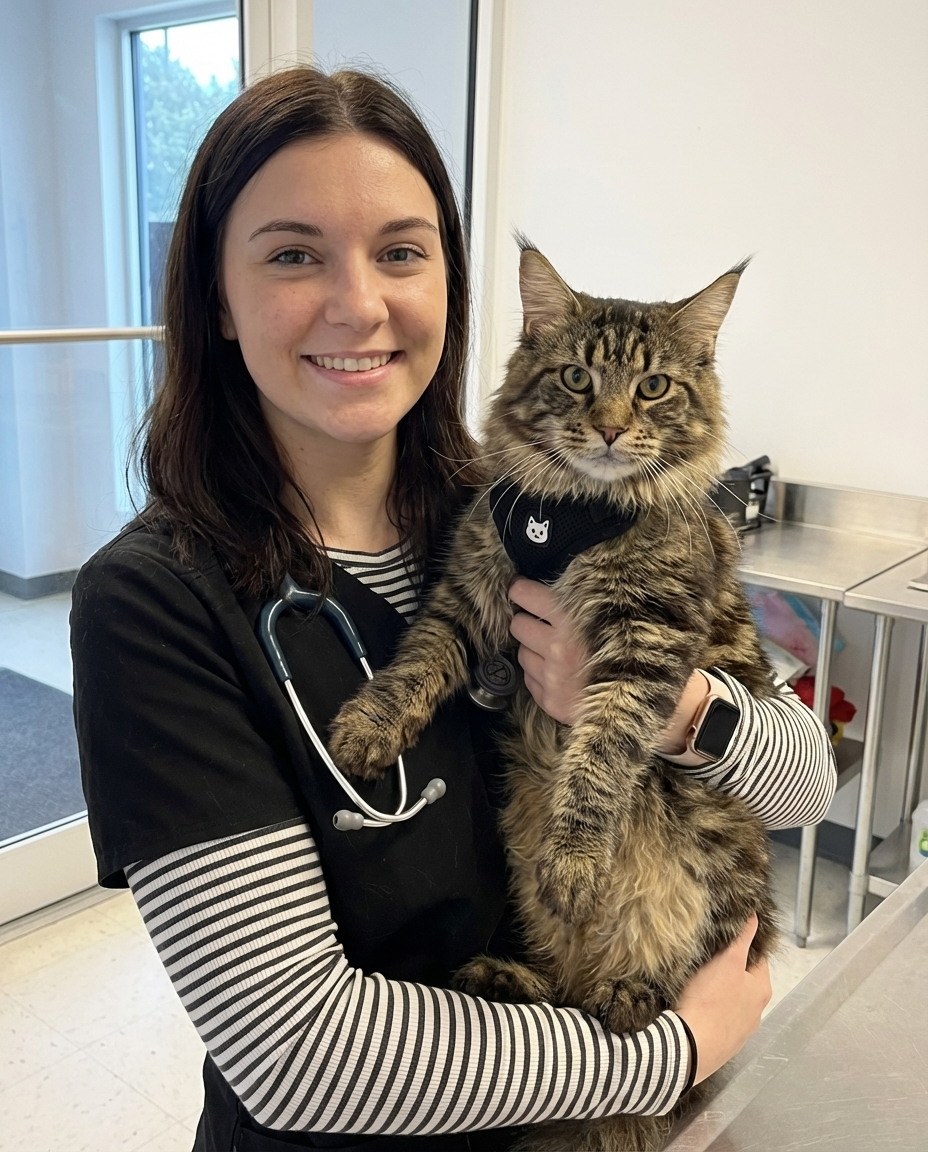
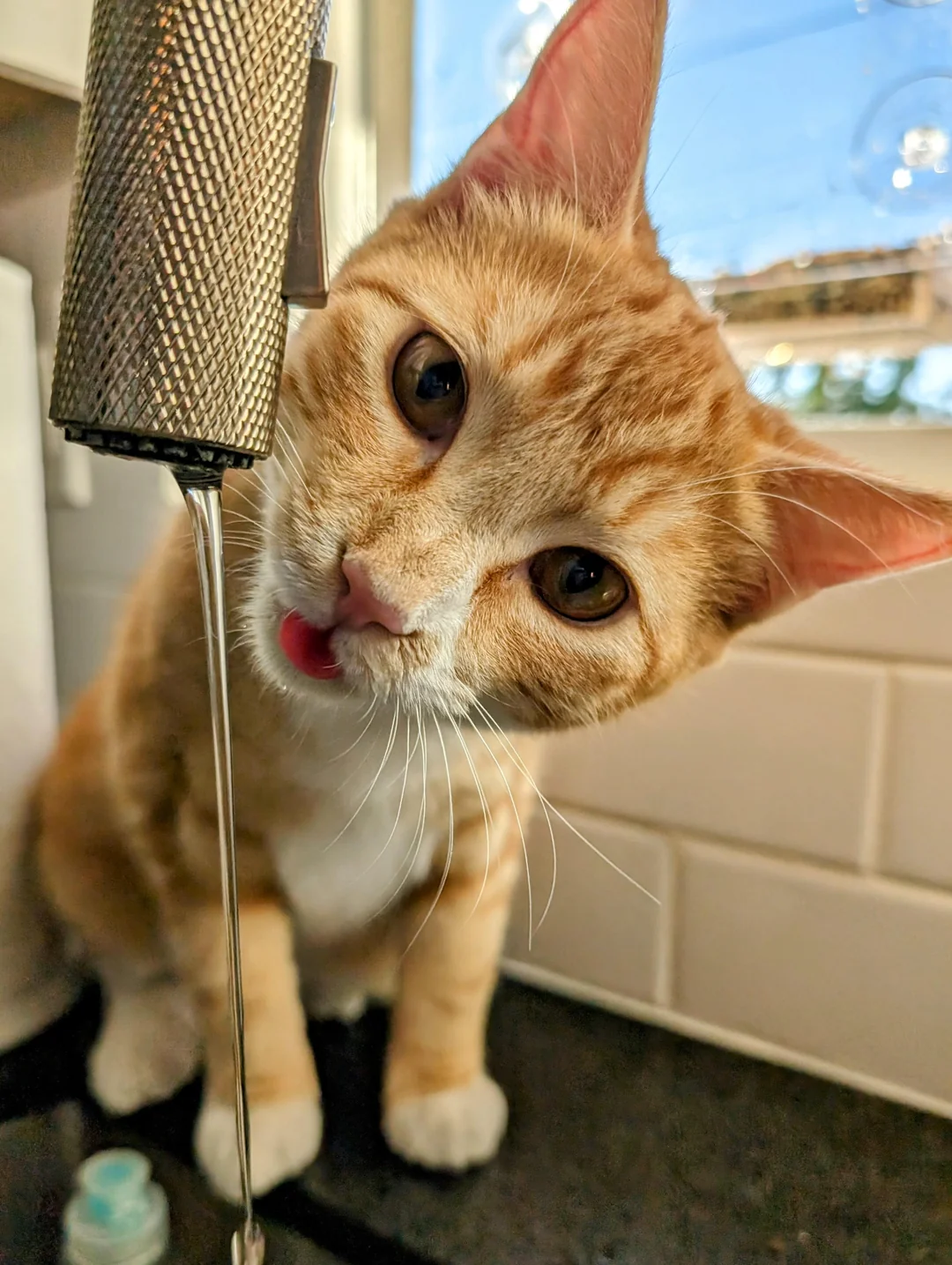
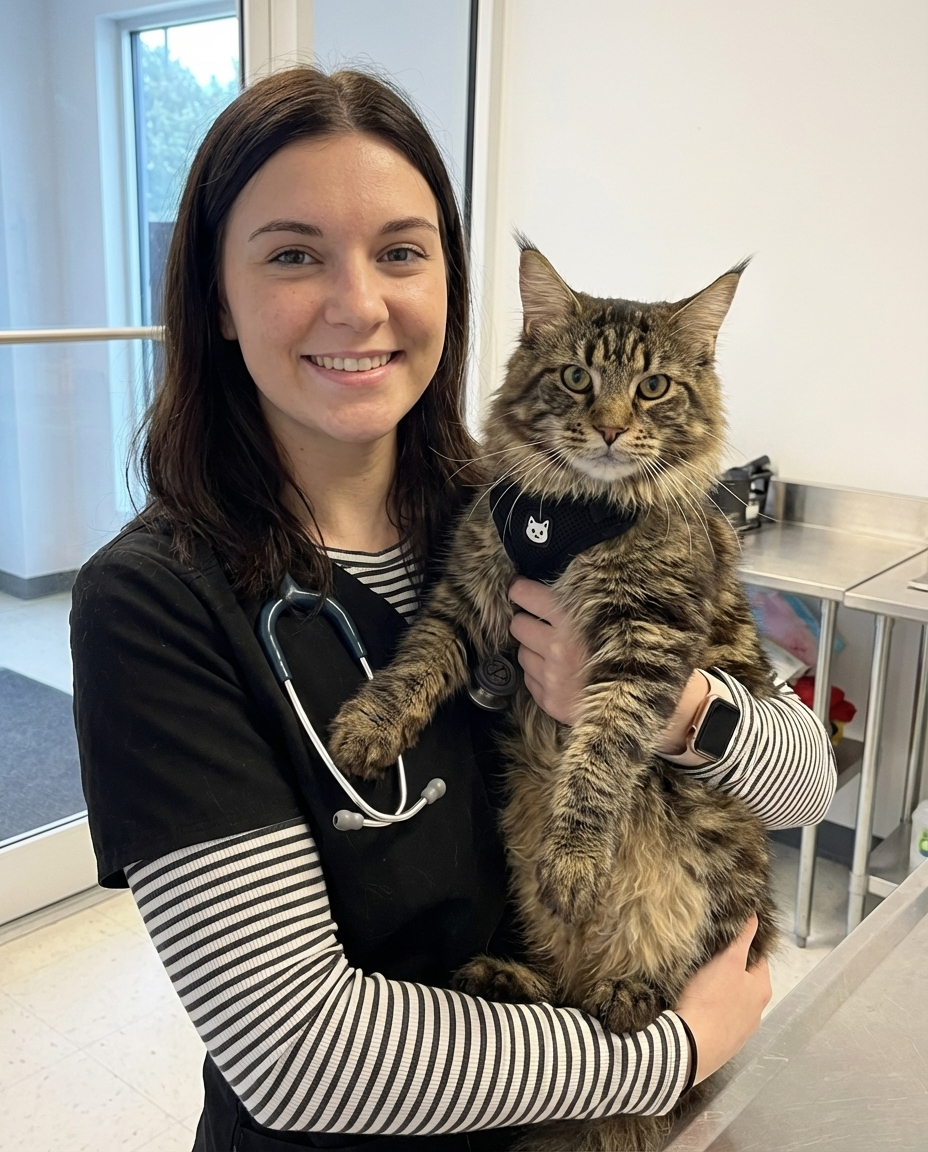
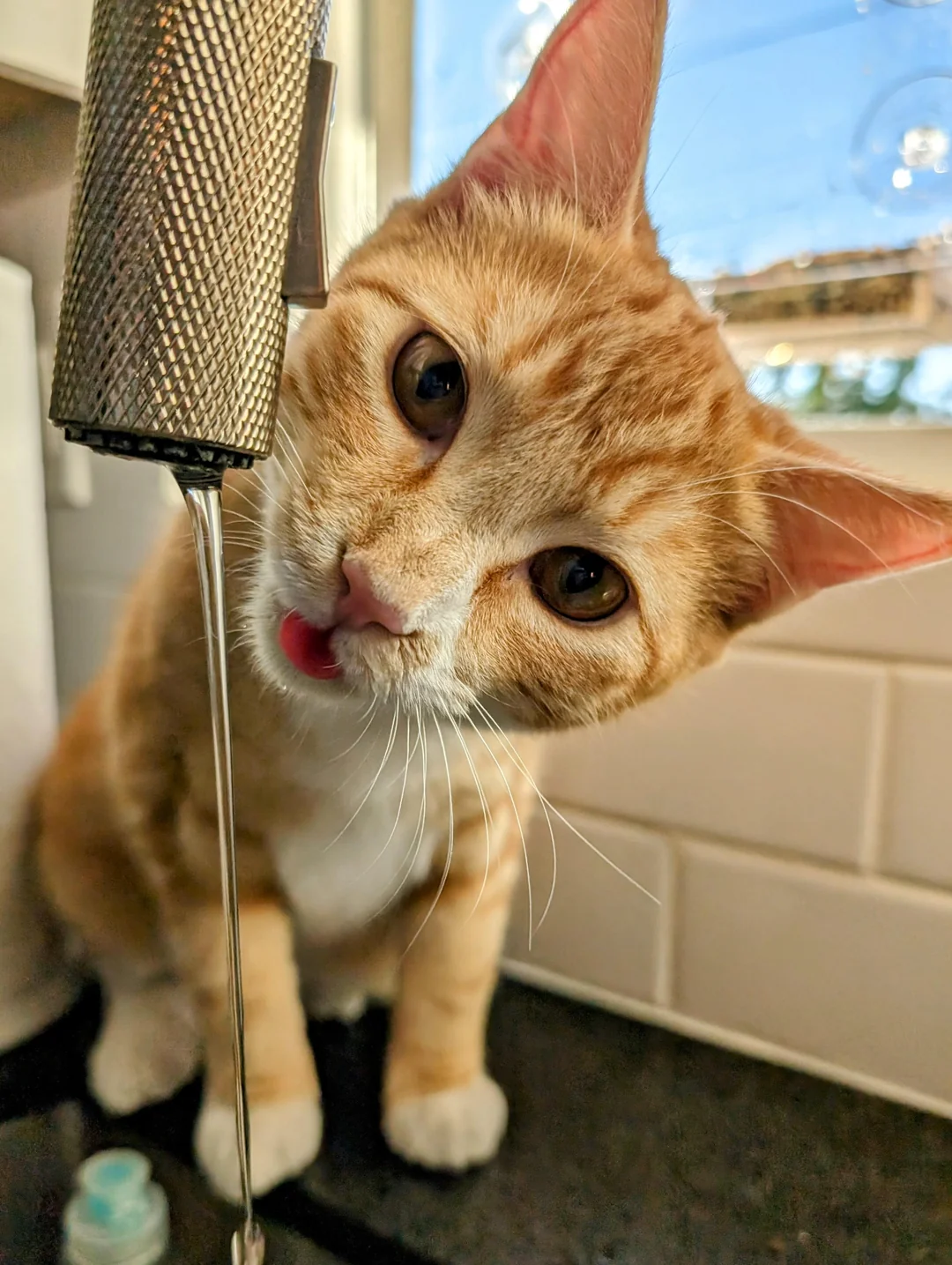
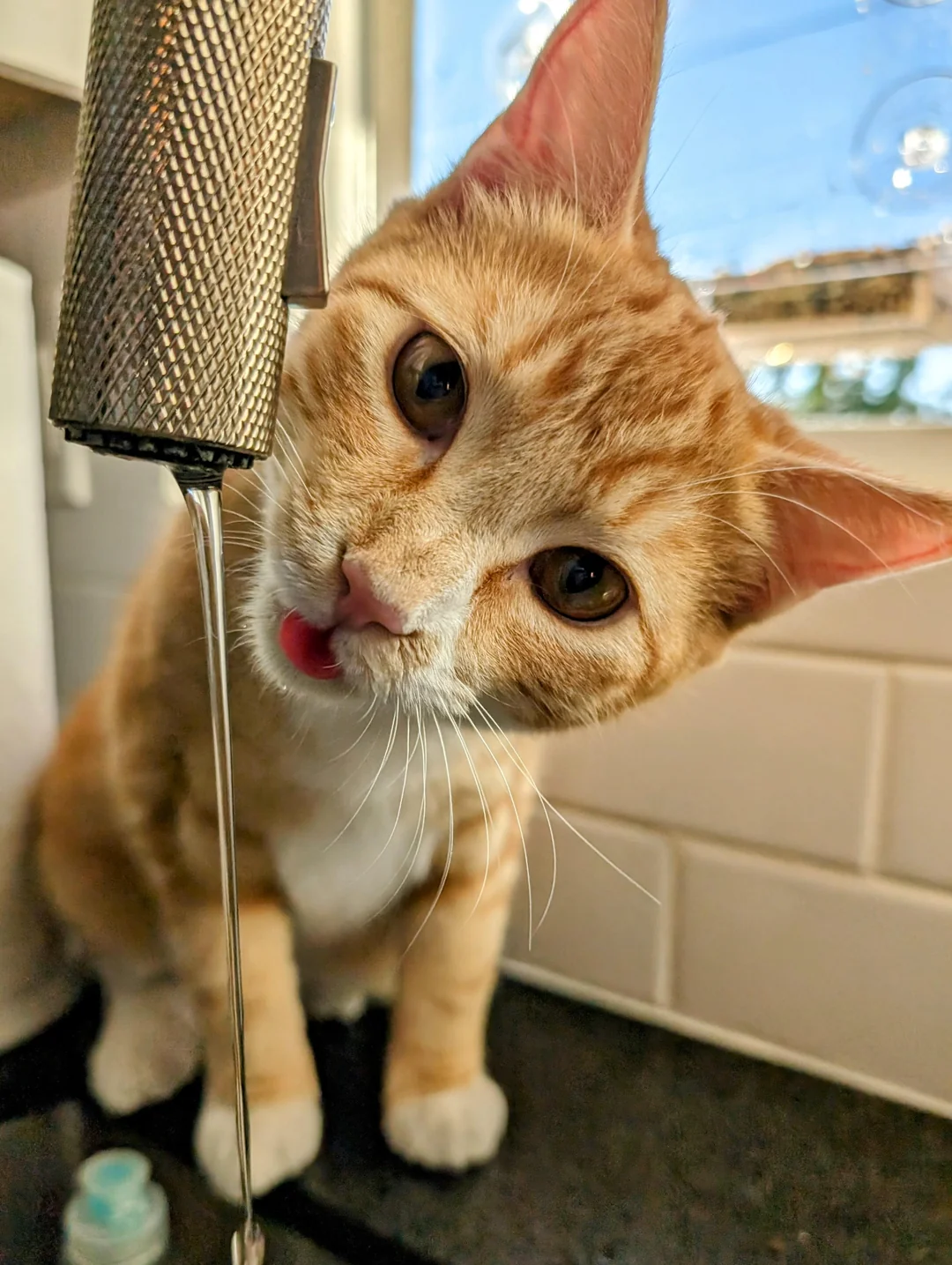
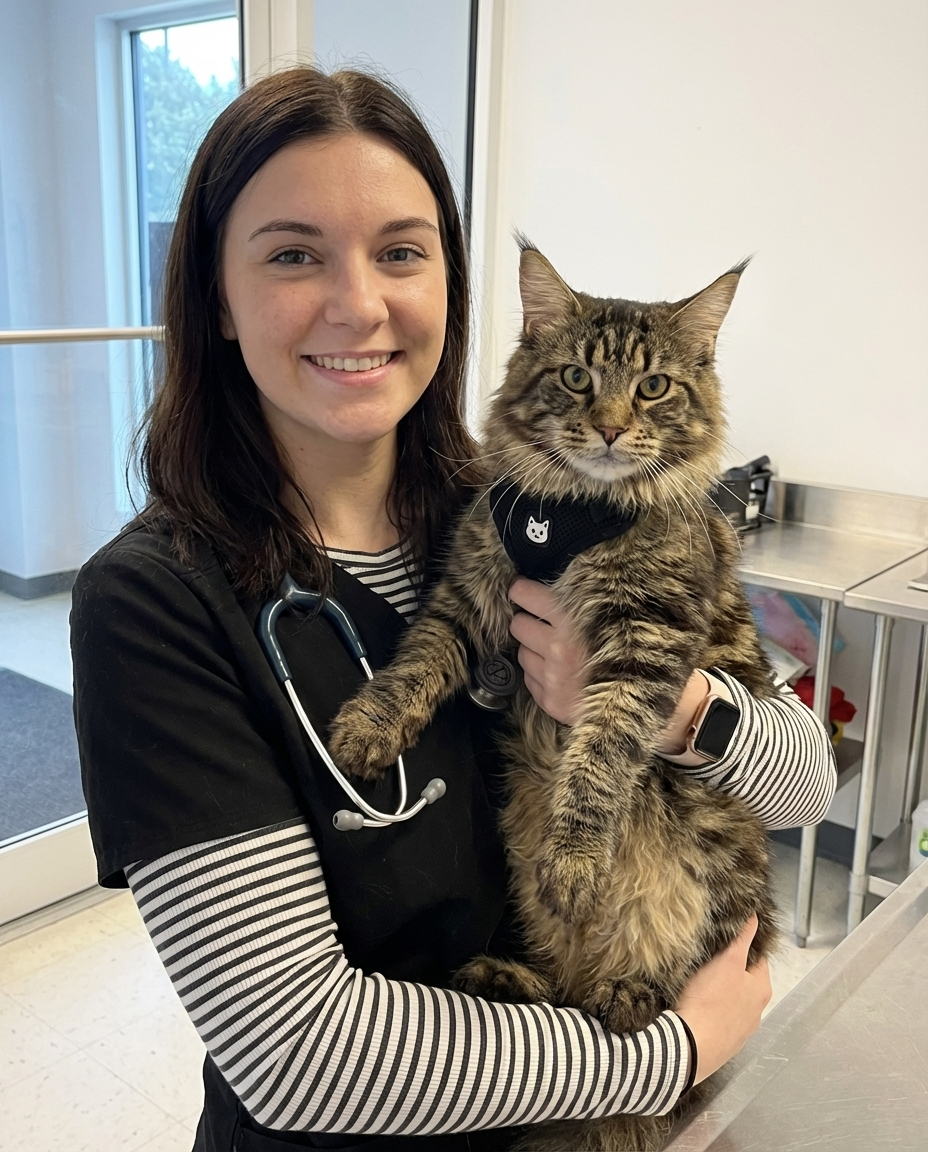
After 15 years as a feline veterinarian at Cedar Point Veterinary Practice, I need to tell you something that makes me ashamed of my profession. Every week, at least one cat owner sits in my exam room and says the same thing. "She only drinks from the faucet. Is that weird?" For 15 years, I said the same thing back. "Some cats just prefer running water. It's fine. Make sure she has access to fresh water and keep feeding wet food." That was my answer. Every single time. Never asked a follow-up question. Never investigated why. Just filed it under "quirky cat behavior" and moved on to the next appointment. Three months ago, I realized that answer probably killed more cats than any disease I've ever treated. I'm going to tell you why. And I'm going to tell you what that faucet behavior actually means. Because your vet isn't going to tell you. Not because they're hiding it. Because they don't know. I didn't know. And I've been doing this for 15 years. My name is Dr. Lauren Hadley. I practice at a small feline-only clinic outside Portland. I see about 40 cats a week. Mostly routine stuff. Vaccines. Dental cleanings. Senior bloodwork panels. But every year, the same diagnosis keeps climbing. Chronic kidney disease. CKD is the number one killer of cats over 7. More than cancer. More than heart disease. And the textbook cause is simple. Chronic dehydration. Not acute dehydration. Not a cat lost outside for three days. Chronic. Slow. Silent. A cat who drinks slightly less than she needs. Every day. For years. Her kidneys compensate. They work harder. They concentrate urine to conserve fluid. Until they can't anymore. By the time bloodwork catches it, 65 to 75% of kidney function is already gone. Irreversible. I've diagnosed hundreds of cats with CKD. I've sat across from hundreds of owners. Explained that their cat's kidneys were failing. That the function wasn't coming back. And almost every single time, the owner says some version of the same thing. "But she eats wet food." "But she has a water fountain." "But I see her drinking." I used to nod. Used to say "sometimes it's just genetics." That's what vet school taught me. I don't say that anymore. Because three months ago, a cat named Clementine broke open everything I thought I understood about feline hydration. Clementine was a 9-year-old tortoiseshell. Gorgeous cat. Bright eyes. Shiny coat. Active. Her owner, Margaret, brought her in for a routine senior panel. Margaret did everything right. Tiki Cat wet food twice a day. Annual checkups every year since kittenhood. Margaret was the kind of owner I wish I had more of. Meticulous. Careful. Kept notes. I ran the bloodwork expecting perfect numbers. Creatinine: 2.8. SDMA: 24. Stage 2 kidney disease. In a 9-year-old cat whose owner did everything by the book. Margaret's face crumbled. "How is this possible? I feed her the best food. She eats every meal." "She drinks water every day." I started my usual explanation. Genetics. Age. Sometimes cats are just— Then Margaret said something I'd heard a thousand times before. But this time it stopped me. "She won't drink from anything except the bathroom faucet. She sits on the counter and screams until I turn it on. She's done it since she was a kitten." I felt something cold in my chest. Because I'd heard that exact sentence from at least a hundred owners over the past 15 years. And I'd always said the same thing. "Some cats just prefer running water." I looked at Clementine's bloodwork again. Stage 2 CKD at age 9. "Margaret, how many times a day does she drink from the faucet?" "Twice. Morning and evening. When I'm in the bathroom." "How long each time?" "Maybe a minute. Sometimes two." "And the rest of the day?" Margaret paused. "She doesn't drink the rest of the day. She has a fountain but she stopped using it about two years ago." Two minutes of water. Twice a day. Four minutes total. For the other 23 hours and 56 minutes, Clementine wasn't drinking anything. I sat there staring at the chart and something shifted. Not a small shift. A fundamental crack in 15 years of clinical assumptions. Clementine wasn't "quirky." She wasn't "picky." She wasn't expressing a cute personality trait. She was a cat in chronic water distress. She'd found the only acceptable water source in her house. And that source was only available when her owner happened to be at the sink. That night I went home and couldn't sleep. So I started pulling charts. Every CKD diagnosis from the past three years at my clinic. 147 cats. Called their owners. Every single one. Asked three questions. What type of water source does your cat use? Where is it located in your house? Does your cat drink from the faucet? The results destroyed me. Of the 147 cats with kidney disease, 119 had water sources within 3 feet of their food. Bowls or fountains. Right next to it. 89 of the 147 owners reported their cat regularly drank from a faucet, bathtub, or shower. 92 of the 119 who had fountains had plastic fountains. I ran the numbers three times because I didn't believe them. Cats whose water was next to their food. Cats whose fountains were plastic. Cats who went to the faucet instead. The same three factors. Over and over and over. I started reading. Not vet journals. Material science. Feline behavioral biology. Evolutionary instinct research. What I found made me want to call every owner I'd ever told "it's just genetics" and apologize. There are three things happening that nobody in my profession talks about. The first is plastic. Every plastic fountain is porous at the microscopic level. BPA-free. Food-safe. Top-rated on Amazon. Doesn't matter. Within weeks, the surface develops micro-scratches. From cleaning. From cat paws. From normal water flow. Bacteria colonize those scratches. They form biofilm. The biofilm produces volatile organic compounds that are undetectable to humans. But cats have 200 million scent receptors. We have 5 million. That plastic fountain smells clean to you. To your cat, it smells like a contaminated water source. So she stops drinking from it. That's why Clementine abandoned her fountain two years ago. Not because she was picky. Because her nose told her the water was unsafe. The second is placement. Cats evolved from solitary desert predators. In the wild, a water source near a kill site — near food — is contaminated. Bacteria from the decomposing prey leaches into the water. Cats who drank water near their food died. Cats who avoided it survived. That instinct is still hardwired into every domestic cat alive today. It's called prey-carcass avoidance. Your cat's water bowl is sitting next to her food bowl. Every instinct in her body says that water is next to a carcass. Don't drink it. She's not ignoring it. She's avoiding it. For the same reason her ancestors survived. And the third thing. The faucet. When your cat runs to the bathroom and screams for the faucet, she's not being cute. She's telling you that the faucet is the only water source in your house that passes her biological safety check. Metal pipes. No biofilm. Fresh water that wasn't sitting next to food. That faucet is the closest thing in your home to a clean stream in the wild. But it's only available when you turn it on. Two minutes in the morning. Maybe two at night. For the other 23 hours, she goes without. Day after day. Month after month. Year after year. Until the kidneys fail. Sat in my office after pulling those 147 charts. Thought about every owner who told me their cat "loved the faucet." Every one who filmed their cat screaming at the sink. Posted it with laughing emojis. Every time I smiled and said "that's cute." It wasn't cute. It was a distress signal. And I missed it for 15 years. After Clementine, I rebuilt how I practice. Started asking every owner three questions at every visit. Where is the water? What is it made of? Does your cat drink from the faucet? And started recommending something I never thought I'd recommend. A product. Specifically. Because I needed three things to be true at the same time. Non-porous material. No plastic touching the water. Nothing that grows biofilm in microscopic scratches. Wireless. No cord. So the owner can put it wherever the cat will actually drink. Away from food. Away from litter. Elevated off the floor. And a faucet-style flow. Not a pool. Not a bubbler. A falling stream the cat can lap from without whisker contact against bowl walls. I couldn't find anything that did all three. The stainless steel fountains on Amazon were metal bowls on plastic bases. Plastic pumps. Plastic reservoirs. The water sat in plastic before it reached the steel. The ceramic ones were porous. Same biofilm problem as plastic, just slower. The few that were actually full stainless steel were corded. Plugged into a wall. Which meant they went where the outlet was. The kitchen. Next to the food. I spent four weeks searching. Then a colleague at a feline conference mentioned one she'd been recommending. Cattasaurus. Full 304 medical-grade stainless steel basin and reservoir. The water contact surfaces are all metal. Non-porous. No micro-scratches. No biofilm colonization. Wireless. Battery powered. No cord. Place it in a hallway, a bedroom, a quiet corner. Away from food and litter. Wherever the cat feels safe. Faucet-style spout with three flow modes. The water drops in a stream. No whisker fatigue. Oxygenated on the way down. I recommended it to Margaret first. She put it on a low shelf in the hallway outside her bedroom. Away from the kitchen. Away from Clementine's food. Margaret called me four days later. "She's drinking from it." I asked how often. "Three or four times a day. Long drinks. Not the frantic gulping from the faucet. She just walks over and drinks." "She hasn't asked for the bathroom faucet in two days." I told Margaret to bring Clementine back in 6 weeks. The bloodwork came back. Creatinine: 2.4. Down from 2.8. SDMA: 19. Down from 24. Margaret started crying in the exam room. I had to look away because I almost did too. That was two months ago. Since then, I've recommended the same fountain to 34 of my patients. 28 of their owners have reported back. Every single one says their cat is drinking more. Voluntarily. Repeatedly throughout the day. 14 have done follow-up bloodwork. 11 showed improved kidney markers. I'm a veterinarian. I'm trained to be skeptical of products. I don't endorse brands. I don't sell things from my clinic. But I'm also trained to follow evidence. When I look at 147 charts full of kidney disease, I see the same three variables. Plastic. Placement. Faucet dependency. I can't stay quiet. Not about the one product that addresses all three. If your cat drinks from the faucet, this is what she's telling you: The water you're giving her fails her biological safety check. The material is contaminated. The location is wrong. The only clean water she can find comes from a metal pipe that only runs when you're there. And she's dehydrating for 20-plus hours a day while you're not there. That's not cute. That's not quirky. That's not "some cats are just like that." That's a cat slowly losing her kidneys. While everyone around her — including her vet — tells her owner it's fine. I told owners it was fine for 15 years. I'm not saying it anymore. Here's where I send my patients' owners: https://cattasaurus.com/pages/wf-advert-02 I spent 15 years telling cat owners that faucet drinking was a cute personality trait. Clementine's bloodwork proved me wrong. Your cat isn't being cute at the faucet. She's surviving. Give her a water source that doesn't require you standing there to turn it on. https://cattasaurus.com/pages/wf-advert-02 P.S. — If you have a cat over 5, ask your vet for a kidney panel. Creatinine and SDMA. Costs about $85. And ask them where they think you should put the water source. If they say "next to the food," show them this post. They need to read it as much as you did. P.P.S. — 90-day money-back guarantee. If she doesn't drink from it, send it back. But she will. Because it's the faucet she's been screaming for. She just needs one that runs without you.
Performance Signals
- Status
- Running at last crawl (Jun 2, 2026)
- Time Running
- 39 days
- Active Period
- Apr 22, 2026 → Jun 2, 2026
- Advertiser live ads
- 2
- First Seen
- Jun 2, 2026
Creative & Links
- Meta post ID
- 989500326734038
- Meta page ID
- 110679018371614
- Format
- Image
- Placements
- Facebook, Instagram, Messenger, Threads
- Country
- 🇺🇸 United States
- Landing Page
- cattasaurus.com/pages/wf-advert-02
- Original Ad
- Open in Meta Ad Library
More from Cattasaurus
Cattasaurus
cattasaurus.comCattasaurus
Shop Infos
- Created
- Oct 29, 2021 · 4y 11m
- Category
- Pets & Animals › Cats
- Live ads
- 2
Search every indexed Meta ad by niche, format, country and run time, save creatives to boards and track the brands behind them — free, no card.