Rebloom ad: Lisa Morgan
Rebloom
🇺🇸
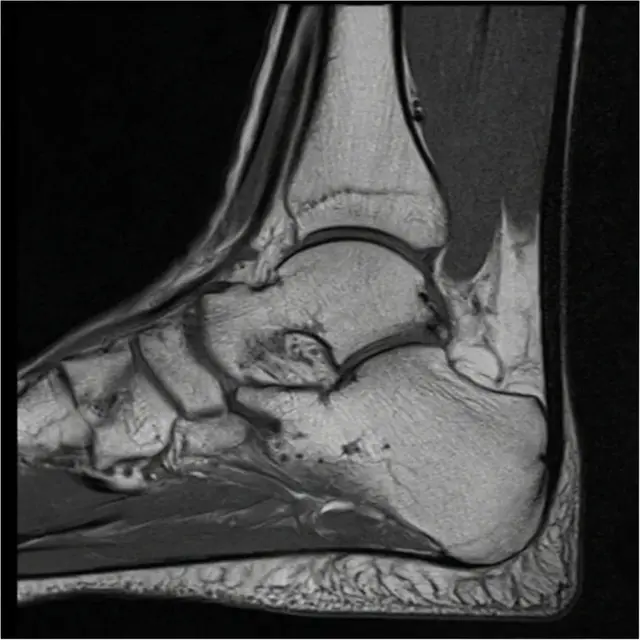
I was diagnosed with plantar fasciitis at 46. I'm 51 now. Turns out that was never what was wrong with my feet. For five years I "managed" a diagnosis that was only ever half the story. At 46 I was hiking most weekends and walking with my husband every evening after dinner. By 47 my whole life had shrunk to whatever my feet would allow that day, and the doctors kept telling me the feet were the whole problem. Five years of stretching my calves against the doorframe before I was allowed to take a step. Five years of rolling a frozen water bottle under my foot every night for ten minutes of relief that was gone by the time I stood up. I did everything they asked. I bought the Hokas, then the Brooks, then Birkenstocks, then Oofos slides for the house, then a pair of Vionics. After the shoes came the Dr. Scholl's inserts, then Superfeet, then a night splint, then the Strassburg sock. I paid $500 for custom orthotics that insurance wouldn't cover, because the podiatrist swore they'd fix it in a month. Within two weeks they'd given me nerve pain in both feet every time I put them on. The cortisone shot helped for about four weeks, and I wore sandals on holiday like a normal person. Then it wore off, and it took the sandals with it. Then they sent me to a specialist. Podiatrist first, then an orthopedic surgeon, then a rheumatologist, eight months of appointments in all. The X-rays were clean. The ultrasound showed the band under my heel was thickened, which they said just confirmed the diagnosis, and the blood work for rheumatoid arthritis and thyroid came back normal. "Everything looks fine," the surgeon said. "It's plantar fasciitis. It's common at this age, and we've ruled out everything else." I felt like I was making it up. The tests were clean and the doctors weren't worried, and every single morning my feet refused to hold me up without pain. By the time my alarm went off at 5:40, I already knew what the first step was going to feel like. I'd swing my legs over the side and put my hand flat on the wall before my foot touched the floor. That first step felt like someone had caned my feet in the night. By 10am I'd be standing at the front desk of the vet clinic where I work, concrete floor, first two Advil down. Still nothing. By 2pm the bottoms of my feet were the worst part of me. It felt like walking on marbles, like there was nothing between my bones and the concrete. And the math never stopped. If I walked the dog to the end of the street and back, I was done for the night. I stopped walking anywhere I didn't have to, and took up the exercise bike in the garage instead, and put on thirty pounds because I couldn't walk more than a mile. My husband still went out for his walk every evening after dinner. I watched him go from the couch, same spot, and two years earlier we'd climbed a mountain on our anniversary and now I could hardly climb the stairs to bed. I'd told him to stop asking me to come. When he stopped asking, that was worse. Last spring I went on vacation with my parents, who are almost 80, and they zoomed around the whole week while I kept taking breaks for my feet. On the day everyone hiked out to the waterfall, I stayed at the hotel. I wanted to be out with the dog, cooking, even cleaning the house. Instead I was on the couch, because even standing hurt, and I hadn't seen my friends in months because everything they did involved walking. I looked fine on the outside. Inside, every part of my life was getting smaller, and my feet were the reason for all of it. And every doctor just nodded. "That's plantar fasciitis. It's an age thing, and losing a few pounds would help." I tried losing the pounds, and it cost me two weeks of worse pain. When my hips started aching too I got the HRT patch, and it took the hip ache and the hot flashes and left my feet exactly where they were. After that came the walking boot, the Epsom soaks, the acupuncture. Nothing worked, and every season there was one more thing I didn't do anymore. I started to believe this was just my life now. That I'd spend the rest of it watching everyone else go while I planned my whole day around my feet. It felt like the next step was crutches, and after that my life was basically over. Then my neighbor asked me a question no podiatrist ever had. She's a nurse at a foot and ankle clinic. We were standing in her driveway and I was telling her I couldn't get through the grocery store anymore without sitting in the car for twenty minutes after, and that I'd just cancelled the hiking trip we'd booked a year ago. "Has anyone ever actually pressed on your heel and checked how much padding is left under it?" I almost laughed. "I've tried insoles and I've tried orthotics, and they didn't do anything." She shook her head. "That's not what I asked. Press your thumb into the middle of your heel." I did, standing there in her driveway, and it was bone, right under the skin. "Ten years ago there was a thick pad of fat there," she said. "It's your body's shock absorber. Every step you've ever taken landed on it." "You're telling me I'm missing fat off the bottom of my feet?" "I'm telling you that plantar fasciitis was never the real problem. It's what happens when the pad goes." "Your heel bone hits the floor about 8,000 times a day. With the pad there, that gets spread out. With the pad gone, all of it lands on one hard point, and that hammering is what keeps the band under your heel inflamed." "Overnight it starts to heal. Then your first step in the morning lands bone on floor and rips it open again. That's why you hold the wall." "What would even cause that?" "It thins as your hormones shift. From your mid-30s on, and women's pads are thinner than men's to begin with. Your weight didn't do this, and neither did your shoes." She looked at me. "Your life didn't get smaller because there's anything wrong with you. One part wore out, and nobody warned you." "Once it's gone, it doesn't grow back. Researchers call it fat pad atrophy, and it keeps your heel landing on bone even on the days you rest it, even after the stretches, even when the X-ray comes back clean." "The band was sore because the bone was hammering it. You've spent five years treating the sore part and nothing under it." "That first step in the morning, after a full night of sleep? That's not plantar fasciitis. That's your heel bone hitting the floor with nothing between them." "And the marbles feeling?" "Same thing. Pain is weight on a small spot, and comfort is the same weight spread over a big area. You can lie on a bed of nails, but you can't lie on one nail." "But I've tried insoles," I said. "You tried half the job," she said. "A fix has to do two jobs at once: put a real pad between the bone and the floor, and spread your weight across the whole foot so the bone doesn't carry it all. Everything you bought did one or the other." "Drugstore inserts are the soft part, badly. A few millimetres of foam, and your bare heel squashes it flat on the first step. Your custom orthotics were the spreading part, hard plastic straight under a bare bone, which is why they hurt." "Half the job feels like nothing." I stared at her. Five years, three specialists, every test coming back clean, and nobody had ever pressed on my heel. I went home and Googled "heel fat pad thinning women" and fell into a rabbit hole. Foot and ankle journals describing the pad under the heel thinning with age and hormone changes. Everything she said checked out. I texted her the next morning. "Okay, say you're right. What do I actually do?" She called on her lunch break. "The pad doesn't grow back, so you put one under your foot from the outside. You need two parts in one insole." "A thick pad under the heel and the front of the foot, thick enough that a bare heel can't flatten it. And a firm cradle under the arch that catches part of every step, so the heel never carries the whole load alone." "Soft where you're bare, firm where you're not. Your heel stops hammering, and the band finally gets a rest that lasts past the first step." "And it has to go in the slippers by your bed. The first step of the day is the one that does the damage, and your Hokas are by the front door at 5:40 in the morning." "I keep a pair in my own slippers. We started telling patients about them last year." This sounded too simple to me. But I'd been dragging myself through every day for five years. "Where do I get one?" "You can't grab any insole off the shelf," she said. "Most of them are either thin foam or a hard shell, and the thick ones flatten out in a month." "The one I use is Rebloom. It's a thick foam base under the heel and the front of the foot, with a firm arch cradle built into it, and you trim it to fit. It's the only one I've found that does both." I looked it up that night. There was a 90-day money-back guarantee. After five years of shoes and shots and specialists that failed, what was one more try? They came in four days, and I put them straight into the slippers by my bed. The first morning I still put my hand on the wall out of habit, and the step still hurt. Like ten percent less. By day four, I got to the bathroom without touching the wall, and stood there with my hand up in the air where the wall should have been. By the end of week one I moved them into my work sneakers and got through a full shift on that concrete without my afternoon Advil. I'd forgotten to take it. Since spring I'd been keeping a list on my phone of how far I could walk before my feet quit. By the end of week two, it was around the block twice with no sitting in between. Nearly triple what I'd managed all year. Then came week three. I woke up before my alarm, lay in the quiet, and waited for it. The caned feeling, the marbles, that first-step pain that had met me every single morning for five years. It wasn't there. I put my foot down and it held, and for the first time in five years the word for it wasn't "manageable." It was fine. For the first time in five years, I walked barefoot across my kitchen tile to make coffee and didn't think about my feet until the coffee was done. That Saturday I walked the dog to the end of the street and back and kept going, and got through the whole day without planning it around my feet. For the first time in five years, my husband put his shoes on for his walk and I put mine on too. Halfway around the block he looked at me and said "you're walking like yourself again." Two weekends later I did the trail behind the reservoir, the one I hadn't touched in four years. Three miles, and I sat in the car afterward and cried, and for once it wasn't from pain. Five years of trails and evening walks and trips I sat out, and the whole time it was never my life that had to get smaller. It was a pad. I don't have a plantar fasciitis problem. I never did. And my life was never over, either. What I'd had was five years of a missing pad, my heel hitting the floor with nothing between them, and a sore band taking the blame. And not one person in a white coat thought to press on my heel. I still wear the patch, and I still do the stretches out of habit. The concrete at work hasn't changed either. But now there's a pad under my heel before my foot touches the floor. Every morning my feet go straight into the slippers with the pad in them, and at work they go into my sneakers. There's nothing to take and nothing to do, and it takes as long as putting on shoes. That should be the first thing anyone tells a woman whose feet started hurting in her 40s. If you've been told you have plantar fasciitis… If you've done the stretches and the shots and the orthotics and nothing has stuck… If your X-rays and your blood work keep coming back clean… If you wake up after eight hours of sleep and put your hand on the wall before your foot touches the floor… If you've stopped saying yes to the walk, the market, the vacation… If your world has shrunk to whatever your feet will allow that day… I'm not saying you're definitely missing the pad under your heel. But I spent five years treating a sore band while the real problem got worse every single day, and five years watching my life get smaller every season over one part that had simply worn out. Rebloom is a small company that makes one thing. Right now they're running a sale. I checked the site this morning and ordered a second pair, so I can stop moving one pair back and forth between the slippers and my work shoes. They have a 90-day money-back guarantee. Three full months to find out if it works for you. If nothing changes, you get your money back. But if it works? If the first morning that step lands on padding instead of bone, even just a little? If by week one you get to the bathroom without touching the wall? If a month from now you put your shoes on for the evening walk and go the whole way, and the weekend after that you're back on a trail? You'll wish you'd started five years ago. I know I do. I took all of it for granted. https://myrebloom.com/products/massage-insoles You don't have to keep managing a diagnosis that was only ever half the story, or a life that gets smaller every year to fit your feet. It was never your life that had to shrink, just a pad that nobody replaced.
Performance Signals
- Status
- Still running
- Time Running
- 4 days
- Active Period
- Sep 27, 2026 → Today
- First Seen
- Sep 30, 2026
Creative & Links
- Meta post ID
- 1673399474448620
- Meta page ID
- 1029237466941457
- Format
- Image
- Placements
- Facebook, Instagram
- Country
- 🇺🇸 United States
- Landing Page
- myrebloom.com/products/massage-insoles
- Original Ad
- Open in Meta Ad Library
Rebloom
myrebloom.comRebloom
Shop Infos
- Created
- Oct 20, 2023 · 3 years
Search every indexed Meta ad by niche, format, country and run time, save creatives to boards and track the brands behind them — free, no card.