The Vital Labs ad: Rachel Simmons, RN
The Vital Labs
2 active ads🇺🇸
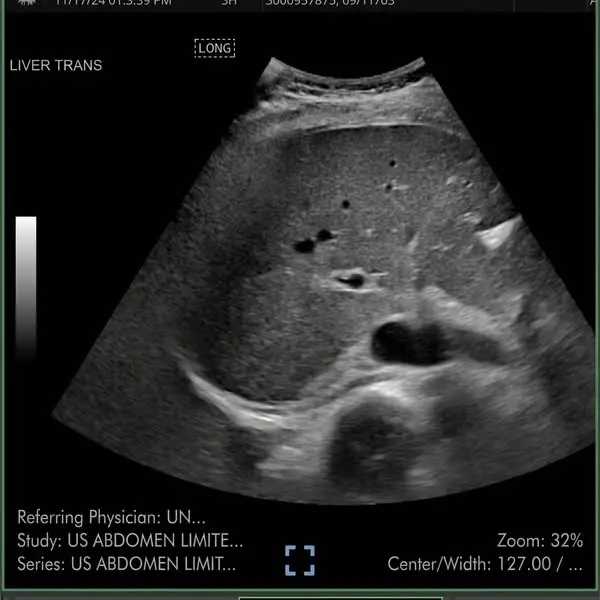
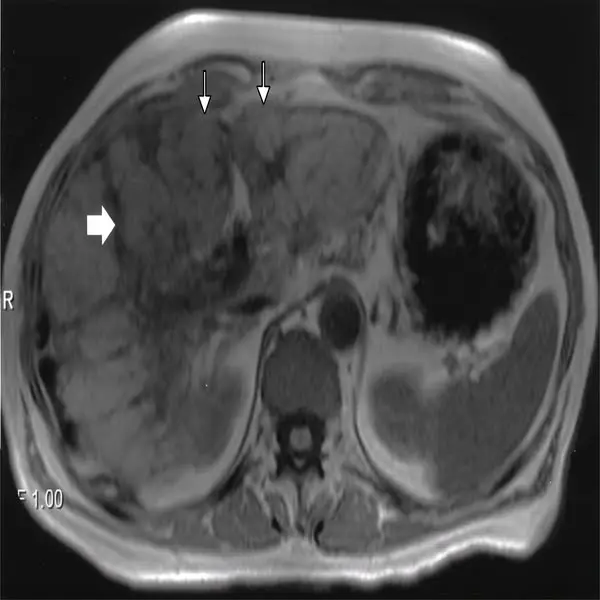
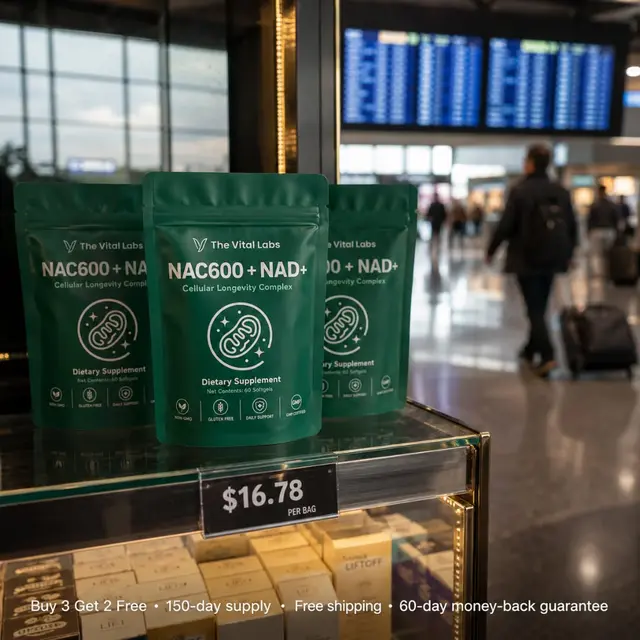
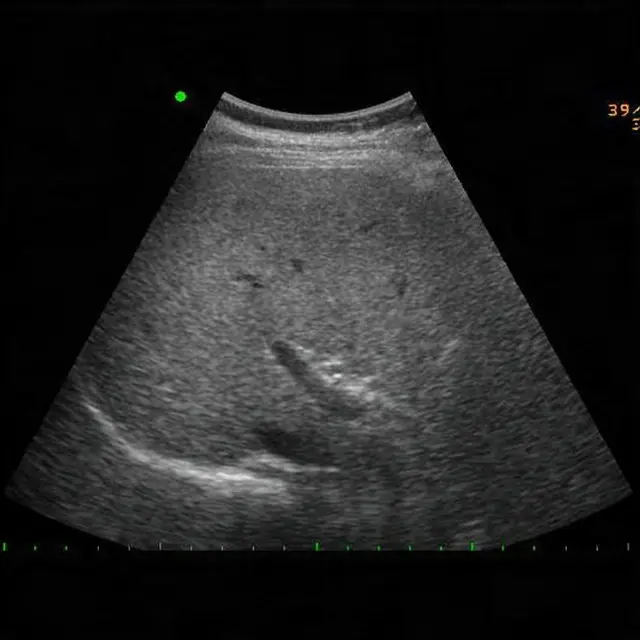
The best way to protect your liver is NOT milk thistle, NOT cutting out alcohol, NOT going on a mediterranean diet and most definitely NOT waiting for a transplant. If your doctor has mentioned elevated liver enzymes, rising ALT, or flagged your bloodwork at your last physical, you need to hear this. What they don't tell you is what comes next. I used to ask every new patient on the liver failure ward the same thing: "How much were you actually drinking before this happened?" After 4,700 patients and the same answer every single time, I stopped asking. It was never a fifth of vodka a day. It was never blackout benders. It was always two or three glasses of wine a night. Sometimes less. Always someone who'd been told their enzymes were "a little elevated" and to "cut back a bit and we'll recheck in six months." The ward isn't full of people who destroyed their livers on purpose. It's full of people who trusted the wrong reassurance. I'm telling you this now because last month I got my own bloodwork back with liver enzymes creeping into the red for the first time in my life, and I refuse to end up in one of my own beds. I'm a hepatology nurse. Twelve years. Roughly 4,700 patients admitted for liver failure, cirrhosis, and transplant evaluation. Let me tell you what that actually looks like. The slow, invisible slide. Enzymes creep up. Then the fatigue sets in. Then the bloating. Until one day your gastroenterologist pulls up an ultrasound and says: "There's significant scarring. We need to talk about your options." The options are not good. First comes the biopsy. A long needle pushed between your ribs into the liver to grade the damage. You lie still for six hours afterward because the risk of internal bleeding is real. Then comes the medication list. Diuretics for the fluid building up in your abdomen. Lactulose for the toxins your liver can no longer clear from your blood. Beta blockers for the veins in your esophagus that are swelling because blood can't flow through the scarred liver anymore. Then comes the exhaustion. Not normal tiredness. The kind where you cancel plans you were looking forward to because the thought of getting dressed feels impossible. Your body is swimming in ammonia and toxins your liver can no longer process. The bloating that makes you look six months pregnant. The spider veins crawling across your chest and shoulders. The yellowing at the edges of your eyes that you notice before anyone else does. The itching that starts at night and never fully stops. And the waiting list. Average wait for a liver transplant: over a year. Some people wait three. Many never get the call. I've watched women who looked like they had decades ahead of them deteriorate in months. I've watched daughters fly home to take care of mothers who swore their drinking "wasn't that bad." I've watched a 58 year old woman sit in my unit and cry because she couldn't hold her new grandchild without her arms shaking. I've watched patients stop coming to follow up appointments. I know what that means. One of my long term patients, Linda, 56, two years in and out of my unit, told me something I think about every day. She said: "I never thought two glasses of wine with dinner would cost me everything." Every. Single. One. Two or three glasses. That's it. So here's the trap most women are stuck in. Two paths. Both lead to the same place. Path one: Follow your doctor's orders. Cut back to one glass. Take the milk thistle. Get your enzymes rechecked in six months. Watch the numbers creep higher year after year anyway. Path two: Do nothing. Ignore the bloating. Ignore the fatigue that's gotten so bad you've started napping in your car on your lunch break. Ignore the upper right side ache you keep pressing your hand into without thinking. Tell yourself you'll deal with it after the holidays. After the vacation. After the kids leave. Most women over the age of 45 tragically explain away these warning signs until it's too late. They blame the bloating on menopause. They blame the fatigue on hormones. They blame the brain fog on age. They blame the belly on metabolism slowing down. It's none of those things. It's your liver begging for help. But there's a third path your doctor will never mention. And it's the only one I've ever seen actually move the numbers in the right direction. Last month I sat in my own doctor's office and heard "your liver enzymes are elevated" attached to my own chart. ALT: 48, up from 22 a year ago. AST: 41, up from 19. GGT: 67, up from 28. And here's the part that made my hands go cold. I'd been waking up exhausted no matter how much I slept. The brain fog by 2pm had gotten so thick I was making coffee just to finish charting. My stomach was bloated by dinner every night. I had a dull ache under my right rib I'd been ignoring for months. And the wine? Two glasses with dinner. Sometimes three on weekends. Nothing that would raise an eyebrow at a dinner party. On paper, none of that was alarming. My doctor said "let's cut back on the wine and recheck in six months." But I've heard those exact words in the charts of women now lying in my unit. I know what an ALT of 48 looks like at the beginning. Because I've held the hands of women whose ALT started at 48. I felt something I'd never felt in twelve years of nursing. Real, bone deep terror. Not for my patients. For myself. So I stopped trusting the monitoring and started asking a different question. Not "how do I slow this down" but "why is my liver actually breaking down in the first place?" Here's what nobody explains to you. Think of your liver as a factory with three critical safety systems running around the clock. The first system is the cleanup crew. A molecule called glutathione. It's your liver's master detoxifier. Every toxin, every metabolic byproduct, every molecule of alcohol you drink gets neutralized by glutathione. In a healthy liver, the crew keeps up. Toxins come in, get neutralized, get cleared out. The second system is the power grid. A molecule called NAD+. It's the energy currency that keeps the entire factory running. Without power, nothing works. The cleanup crew can't do their job. The repair teams can't operate. The lights go out. The third system is the maintenance team. Proteins called SIRT1 and a process called autophagy. These are the crews that repair damaged equipment, haul away broken cellular machinery, and rebuild what's been destroyed. They only run when the power grid is up. Here's what happens every time you have a glass of wine. Your liver converts the alcohol into acetaldehyde, a toxin 30 times more reactive than the alcohol itself. The cleanup crew handles it. Glutathione wraps around the acetaldehyde and neutralizes it. But the crew has a limit. Two glasses of wine, four nights a week, year after year? The glutathione gets used up faster than your body can make more of it. The cleanup crew is depleted. Now the acetaldehyde starts damaging the power grid. NAD+ levels collapse. Your liver is burning through its energy reserves trying to process alcohol with no cleanup crew to neutralize the toxic byproduct. Without power, the maintenance team shuts down. SIRT1 goes quiet. Autophagy stops. Damaged liver cells are no longer being repaired. Broken machinery is no longer being cleared. Fat starts accumulating because the liver can't process it without energy. And the damage doesn't stay in your liver. That same energy collapse dulls your brain. That's the fog that rolls in every afternoon. It starves your muscles. That's the fatigue that no amount of sleep fixes. It wrecks your sleep architecture. That's why you're waking up at 3am. It locks your body into fat storage mode. That's why the belly showed up and won't leave no matter what you eat. It disrupts your hormones. That's why everything from your mood to your skin has changed. And it ages your cells at an accelerated rate. That's why you look in the mirror and see someone ten years older staring back. ALL of it traces back to the same three checkpoints failing in sequence. Cleanup crew down. Power grid down. Maintenance team offline. Your doctor monitors the headline number. The story underneath is your liver falling apart one checkpoint at a time. Now let me address what you're probably thinking. First: "What about milk thistle?" Milk thistle contains silymarin, which can protect liver cells that are still healthy. But it cannot rebuild glutathione stores. It cannot restore NAD+. It cannot restart autophagy. It's putting a coat of paint on a building whose foundation is cracking. The cells it can't reach are still dying. Second: "I've been taking dandelion root." Dandelion root supports bile flow. That's one job out of five hundred that your liver performs. It does nothing about the glutathione depletion. Nothing about the NAD+ collapse. Nothing about the maintenance team sitting idle while damage accumulates. Third: "What about TUDCA?" TUDCA helps bile acid balance and can reduce some cellular stress. But it doesn't touch the power grid. NAD+ is still depleted. SIRT1 is still silent. The factory lights are still off. Fourth: "I tried alpha lipoic acid." Alpha lipoic acid recycles some antioxidants. But it can't regenerate glutathione at the scale your liver needs after years of nightly depletion. It's bailing water from a boat with a bucket when the hull has a crack in it. Fifth: "I bought an artichoke extract supplement." Artichoke extract stimulates bile production. The factory is producing bile. The factory is also dark, unstaffed, and accumulating damage. More bile doesn't turn the lights on. Sixth: "I did a liver detox cleanse." A weekend juice cleanse for a problem that's been building for fifteen years. By Monday the acetaldehyde is back. The cleanup crew is still depleted. The power grid is still down. Nothing changed. All of these target individual pieces of a larger system but miss the complete mechanism. The three checkpoints are still failing in sequence. The damage continues underneath whatever you're layering on top. The monitoring just measures how far the factory has fallen. Nobody is restoring the three systems that keep it running. When I started pulling research, I found two compounds that go straight at those three checkpoints. N-acetyl cysteine, or NAC. The direct precursor to glutathione. Your body converts NAC into glutathione more efficiently than any other compound studied. A 2021 review in Antioxidants analyzed decades of clinical data confirming NAC's role in replenishing glutathione stores in the liver. Research published in the World Journal of Gastroenterology documented improvements in liver enzyme markers in patients supplementing with NAC. It's so well established that hospitals use IV NAC as the front line treatment for acute liver toxicity. And NAD+. The molecule that restores the power grid. Research in Cell Metabolism mapped how NAD+ supplementation reactivates SIRT1 and restores autophagy. Studies in Nature Communications demonstrated that declining NAD+ levels are directly correlated with liver fat accumulation and cellular damage. Restoring NAD+ turns the power back on. The maintenance team comes back online. Damaged cells get repaired. Fat gets cleared. Glutathione comes back. Power grid comes back. Maintenance team comes back. Published. Peer reviewed. Replicated across multiple journals. And every time I bring this up with someone whose liver enzymes are climbing, I get the look. Wide eyes. Raised eyebrows. That "You mean... an amino acid supplement? That's supposed to fix my liver when milk thistle couldn't?" face. I get it. It sounds too simple. But the women who come back to me eight weeks later always come back in tears. Their ALT dropped. Their AST dropped. Their GGT came down. The bloating that made them dread getting dressed in the morning was gone. They were sleeping through the night. Their energy came back. And many of them showed their doctors their new bloodwork and heard the words they never thought possible: "Your liver enzymes are back in range. Keep doing whatever you're doing." In twelve years working in a liver failure unit, not one doctor has ever mentioned any of this to a patient in my care. Not because they're hiding it. Because the pipeline that moves research from a journal into a treatment room runs on patent money. You can't patent NAC. It's a generic amino acid derivative that's been around for decades. No patent means no money. No sales reps, no training updates, no guideline changes. That should make you angry. Not at your doctor. At the structure that kept this from all of us, including the nurse who works at the end of the road. And I understood instantly why every NAC supplement on every shelf had never worked for anyone I knew. Three things wrong with all of them. Wrong form. Most NAC supplements use dry powder in hard capsules. NAC is notoriously unstable. It degrades in the presence of oxygen and moisture. By the time you twist the cap off a bottle that's been sitting on a shelf for six months, half the active compound has already broken down. You're swallowing a promise that expired before you opened it. No cofactor. NAC alone can rebuild the cleanup crew. But without NAD+, the power grid stays down and the maintenance team stays offline. You've restored one checkpoint out of three. The other two are still failing. The factory is still dark. No delivery system. NAC and NAD+ are both poorly absorbed without a fat carrier. The active compounds are fat soluble. They need fat to cross a cell membrane made of fat. A hard capsule full of dry powder dumps them into stomach acid where they degrade before they ever reach the liver. It's like mailing a letter without a stamp. The message never arrives. I've watched patients bring supplement bottles to appointments and ask if they should keep taking them. I look at the label. Dry powder NAC in a hard capsule, no NAD+, no carrier oil. I don't know what to say. It's like bringing a garden hose to a house fire. If you tried NAC before and it did nothing, you weren't wrong to try. The tool was wrong. After I understood the mechanism and the delivery failure, I found something called NAC600 + NAD+ by The Vital Labs. Clinical grade NAC combined with NAD+, suspended in coconut MCT oil, sealed inside a softgel. One softgel delivers the concentrated NAC your body needs to rebuild glutathione stores, paired with the NAD+ that restores the power grid and brings SIRT1 and autophagy back online. Because the compounds are already suspended in MCT oil, the moment the softgel dissolves, the active ingredients are riding the fat carrier they need. Not trapped in dry powder. Not degrading in stomach acid. Suspended, bioavailable, delivered intact to the liver. Third party tested for purity every batch. No fillers, no binders, no unnecessary additives. One softgel. Swallow it with your morning coffee. That's it. No measuring. No mixing. No taste. No sulfur burps that make you dread taking it. It's the one part of the morning that doesn't feel like managing a problem. Here's what happened to me. Within two weeks the fog lifted. Not managed. Lifted. The afternoon wall I'd been hitting every day just stopped. The bloating that had me unbuttoning my pants by 6pm was gone. I slept through the night for the first time in months. By week four the dull ache under my right rib that I'd been pressing my hand into for months was gone. My energy wasn't just better, it was steady. No crash at 2pm. No dragging myself to the couch after dinner. I looked less puffy. My skin had color again. At ten weeks I got my bloodwork back. ALT: 48 down to 24. AST: 41 down to 21. GGT: 67 down to 31. All back in normal range. Five pounds gone without changing what I ate. The bloating, gone. The fatigue, gone. The ache, gone. But the thing I remember most isn't a number. It's my own doctor looking at the panel, then looking at me, and saying: "Your liver enzymes are back in range. Keep doing whatever you're doing." And then walking into my liver failure unit the next morning knowing, for the first time in months, I wasn't going to end up in one of my own beds. I told Linda what I'd found. She looked at me with tears running down her face and said: "Tell everyone. Don't let them end up like me." That's why I'm writing this. In a recent customer survey, 79% of NAC600 + NAD+ users noticed improved energy and reduced bloating within 30 days. 81% reported steadier energy throughout the day. 76% said brain fog improved. 73% reported that their next set of liver enzyme labs came back improved. 68% said their doctor commented on the improvement. Across 2,660+ verified reviews, 4.8 stars. Less than 1% have ever asked for their money back. You're in a window right now. The monitoring phase, the "let's cut back and recheck in six months" phase, is the ONLY phase where the trajectory can still change. Every patient in my liver failure unit was in that window once. Every one of them would give anything to go back to it. One side. Nothing changes. The enzymes climb. The fatigue deepens. The bloating gets worse. The ache under your ribs becomes something you stop mentioning because you're tired of hearing yourself complain. The spider veins spread. The skin yellows at the edges. Then one morning you're not reading about liver damage. You're being told you have it. Fibrosis. Maybe cirrhosis. The biopsy. The medications. The dietary restrictions. The transplant waiting list that may never come through. The bed. The other side. One softgel. Swallowed with your morning coffee. Five seconds. Done. Over the next few weeks the energy holds. The fog lifts. The bloating drops. The ache fades. The sleep comes back. And at your next blood panel, your doctor looks up from the chart and says something you haven't heard in two years: "Your liver enzymes are back in range. Keep doing whatever you're doing." The window stays open. The bed stays empty. Right now The Vital Labs has a deal. Buy two bottles, get one free. Three month supply. The exact window the research points to for meaningful liver enzyme and energy changes. Six bottles gets you free shipping plus a benefits guide. Clinical grade NAC combined with NAD+. Suspended in coconut MCT oil. Sealed in softgels. Not dry powder pressed into hard capsules that degrade on the shelf. Not standalone NAC without the cofactor your liver actually needs. Third party tested. Every batch. Every order comes with a 60 day money back guarantee. If you're not genuinely amazed by the shift in your energy, the bloating that disappears, the brain fog that lifts, the liver labs trending back in range, you get every dollar back. Less than 1% ever ask. That number says everything. The cleanup crew is depleted. The power grid is down. The maintenance team is offline. But the window is still open. Don't let someone else tell your story with the words "I wish someone had told me sooner." I just did. If you're in the monitoring phase right now, the creeping enzymes, the deepening fatigue, the bloating that won't quit, the doctor "keeping an eye on it," at least check the page. It breaks down exactly how the NAC and NAD+ mechanism works and why the supplements you tried before didn't do anything.
Performance Signals
- Status
- Still running
- Time Running
- 69 days
- Active Period
- Jul 25, 2026 → Today
- Advertiser live ads
- 2
- First Seen
- Sep 30, 2026
Creative & Links
- Meta post ID
- 2583345008783121
- Meta page ID
- 1089651747574571
- Format
- Image
- Placements
- Facebook, Instagram, Audience Network, Messenger, Threads
- Country
- 🇺🇸 United States
- Landing Page
- thevitallabs.com/pages/7-reasons-why
- Original Ad
- Open in Meta Ad Library
More from The Vital Labs
The Vital Labs
thevitallabs.comThe Vital Labs
Shop Infos
- Created
- Jun 5, 2026 · 4 months
- Category
- Nutrition › Vitamins & Supplements › Health
- Live ads
- 2
Search every indexed Meta ad by niche, format, country and run time, save creatives to boards and track the brands behind them — free, no card.