Kinova Labs ad: Catherine Williams

Kinova Labs
1 active ads🇺🇸
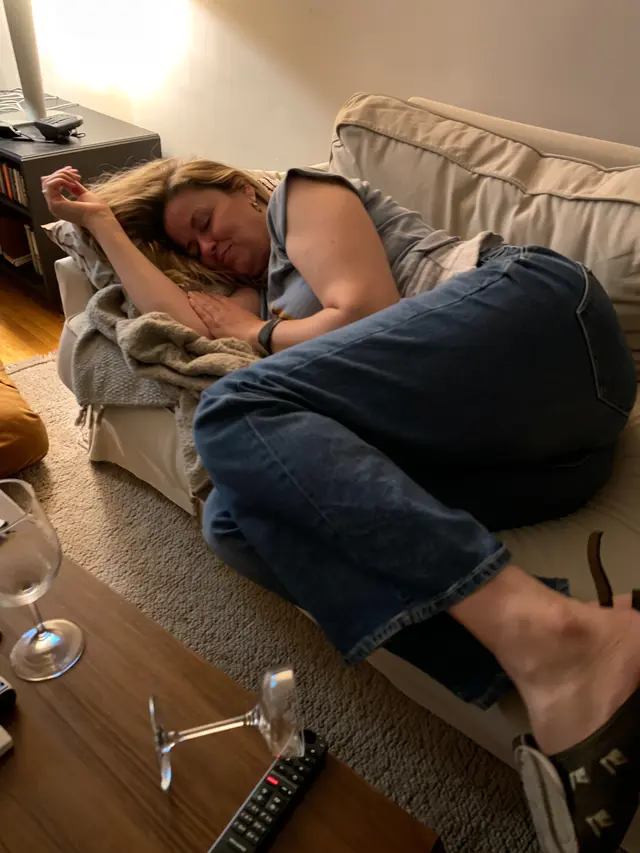
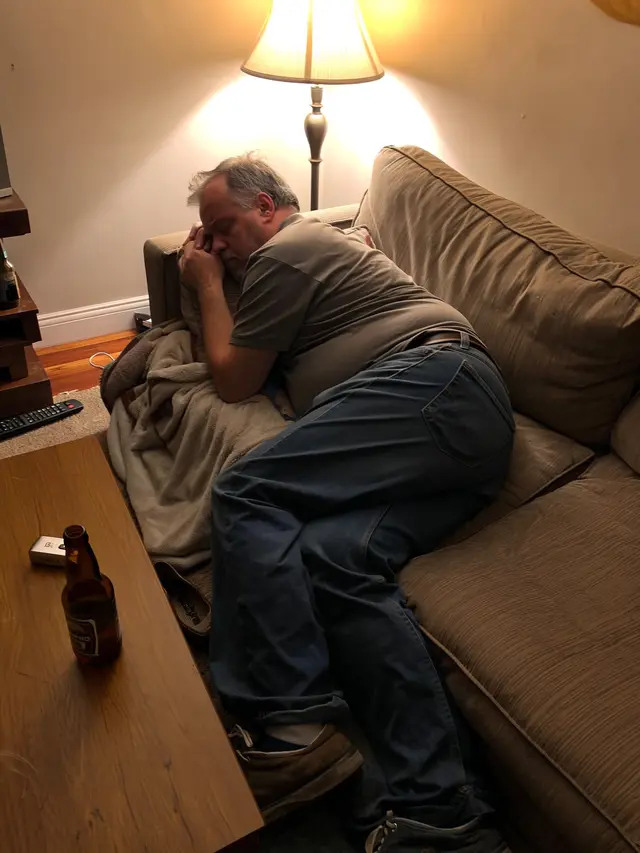
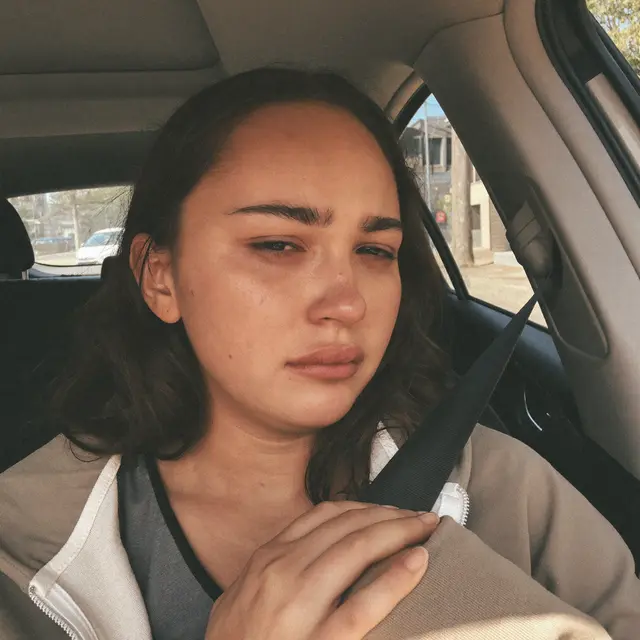
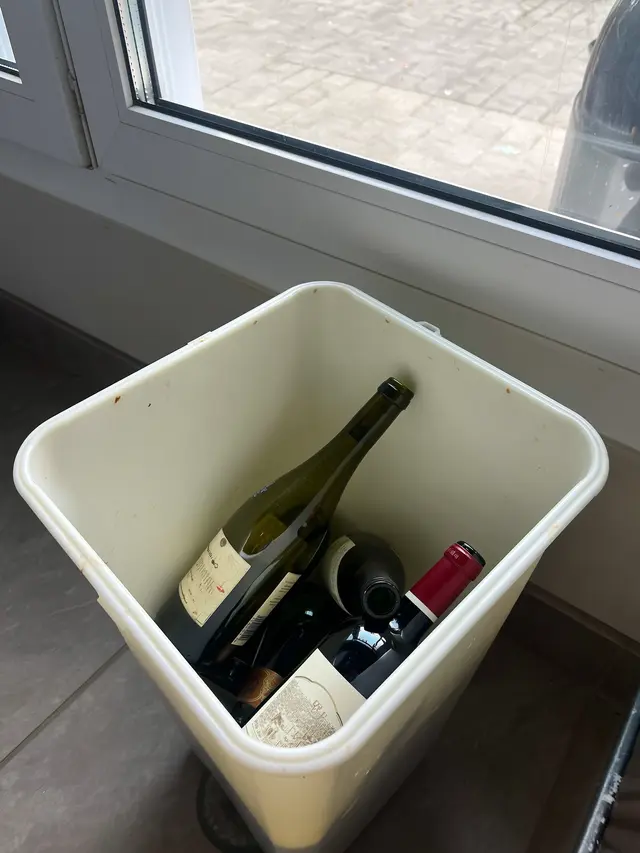
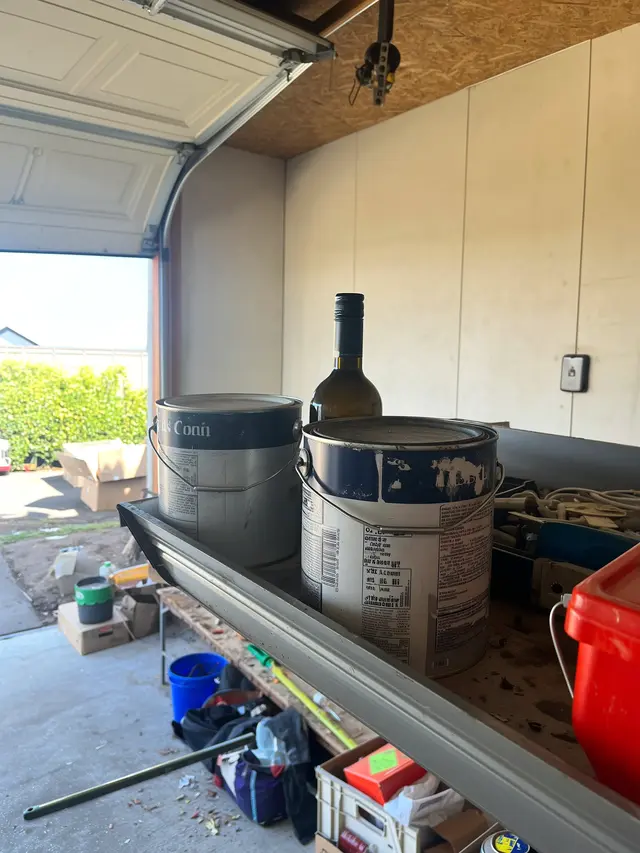
Two years. Addiction specialists. AA. Naltrexone. And she was still hiding bottles in places she thought I'd never check. She'd done every treatment program the system threw at her. And she was getting worse. Two weeks before that 3am, she'd poured every bottle in the house down the sink. I watched her do it. She was crying. She meant it. And now I was standing in the kitchen doorway watching her at the counter. Empty bottles in front of her. Thinking I was asleep. We looked at each other. Neither of us said anything. I went back to bed. And lying there in the dark I realised she wasn't the problem. The system was. And I was about to find out exactly how deep that went. There's a reason she can't stay sober no matter how hard she tries. And once you understand it, you'll never look at the treatment system the same way again. And it has nothing to do with willpower. She had tried managing it herself first. Only on weekends. Just one. Never before dinner. By Wednesday the rules were already gone. So we tried AA. She went every week. Sat in those rooms. Did the steps. Stopped going when it started feeling like a cult. Honestly I couldn't blame her. Then her doctor put her on naltrexone to block the cravings. She drank straight through it. Said it made everything grey and flat. Still reaching for a bottle by 4pm. Nothing touched it. She had done everything she was supposed to. She was trying her absolute hardest. And I was watching her addiction slowly get worse. So I started asking questions I hadn’t asked before. Why are addiction specialists so quick to prescribe things that mask the cravings but don’t address the root cause? Why do they treat it like a willpower problem when I'd just watched her pour every bottle down the sink - and still not be able to stop? Why does every treatment they prescribe make her feel even more grey and empty — and yet nobody can explain why? Then I found a neuroscientist's post that explained in ten minutes what four addiction specialists couldn't tell me in two years. He said years of heavy drinking doesn't just create a habit. It physically damages the part of the brain responsible for feeling pleasure, motivation — and any sense that sober life is worth living. And nobody talks about this. Here's why it matters. Her brain runs on two systems. Dopamine — the signal that makes ordinary life feel worth showing up for. That makes her feel present at dinner, connected to you, able to get through a Tuesday without needing a drink just to feel like herself. And serotonin — what makes any of that actually feel like something. The difference between going through the motions and genuinely feeling alive. Alcohol floods both. Every year of heavy drinking, those pathways get more damaged. Until they can no longer carry those signals the way they're supposed to. Until sober life feels grey and empty and not worth staying in. Not because she's weak. Because the part of her brain that was supposed to make sobriety feel livable has been slowly destroyed. And when she keeps drinking, she temporarily forces dopamine and serotonin through those damaged pathways. Artificially. That's why she felt like a functioning human being for a few hours after a drink and completely gone by the afternoon. That's why every sober hour felt grey and flat and unbearable. That's why she could mean every promise and still be reaching for a bottle by 4pm. And here's what made me furious when I finally understood it. When she stopped drinking, those signals didn't come back on their own. Stopping removed the alcohol. It did nothing about the damage already done. Her brain was still broken. Still searching for the only thing that made it feel anything at all. And here's the thing nobody explains about AA and naltrexone. Neither of them were ever designed to repair damaged pathways. AA addresses behaviour. Naltrexone suppresses craving. Neither one touches the actual damage. That's why she could sit in those meetings genuinely wanting to stay sober and still relapse. That's why naltrexone made everything grey and flat — it was blocking what little signal she had left, not rebuilding what was lost. The system was treating her behaviour. Nobody was touching what was actually broken. And there's a reason for that. There's no money in fixing it. You can't bill insurance for repairing what alcohol actually destroyed. You can't run a $20,000 rehab program on something that rebuilds those signal pathways naturally. But you can keep her coming back. Rehab, naltrexone, meetings, relapse, repeat. Every cycle another bill. Every relapse another admission. That's the business model. See how that works? So I kept digging. Looking for anything that actually targeted the damage — not the behaviour. And I found research on a natural compound called saffron extract. Not the spice in your kitchen. A clinically studied extract that specifically targets those damaged pathways — restoring the dopamine and serotonin signals that years of drinking had destroyed. There were actual studies on this. Real clinical studies. Not just testimonials. The results were significant enough that I couldn't understand why nobody in the treatment system had ever mentioned it. But most saffron supplements don't work. The compounds specifically responsible for pathway repair — crocin and safranal — have to be at the same standardisation level as the clinical trials for it to be effective. Most brands don't get anywhere near it. I needed to find one that did. I found Kinova Labs. Exactly the right 30mg dose. Standardised for crocin and safranal. Third party tested. Built specifically around the clinical research. I was sceptical. I'd watched her fail at everything. But I ordered it. She started taking it about three weeks after I found that post. I didn't say anything about what I was hoping for. I didn't want to put that weight on her. Two weeks in something shifted. The morning craving wasn't the first thought before her eyes were even open. First time in years. A month in she poured the bottle she'd been hiding in the garage down the sink. Didn't feel like a heroic act. Just felt unnecessary. Two months in she drove past the liquor store on the way home and realised at the next traffic light she hadn't even thought about stopping. She started suggesting meals we could cook for dinner together on a Sunday. Last week she laughed at something on TV. Really laughed. Not performed it. Not went through the motions of it. Just laughed the way she used to before any of this started. I sat next to her on the couch and didn't say anything. I didn't want to break it. This is the protocol they don't want you to know about. Because the second her reward pathways restore their dopamine and serotonin signalling capacity, she doesn't need their rehab revolving door anymore. She doesn't need their symptom-masking naltrexone. Her brain starts GENERATING THE SIGNALS THAT MAKE SOBER LIFE WORTH HAVING. If your wife is drinking every day and can't stop no matter how hard she tries — and you've watched her go through every program, every promise, every attempt — it's not a willpower problem. Her brain’s pathways are damaged. And damaged things can be repaired. But the longer those pathways stay damaged, the harder they become to repair. Which means sober life starts to feel even worse for her. Every month you wait makes it harder to reverse. The compound is called saffron extract. The brand I bought from is Kinova Labs. I’ve put a link to it below. They offer a 60 day guarantee. If it doesn't work, you pay nothing. You've already tried everything the system told you to try. Because the addiction treatment industry isn't coming to save her. They profit too much from the revolving door while her reward pathways continue to degenerate underneath. You have to save her yourself. Go get it. And use the joy you get back — the real laughter, the genuine connection, the woman who can finally feel something worth staying sober for — to finally bring your wife back to you. 👉 https://kinovalabs.co/products/saffron-extract-for-alc-dependence-support
Performance Signals
- Status
- Still running
- Time Running
- 138 days
- Active Period
- Apr 30, 2026 → Today
- Advertiser live ads
- 1
- First Seen
- Oct 1, 2026
Creative & Links
- Meta post ID
- 979675364507037
- Meta page ID
- 990942420766845
- Format
- Image
- Placements
- Facebook, Instagram, Audience Network, Messenger, Threads
- Country
- 🇺🇸 United States
- Original Ad
- Open in Meta Ad Library
More from Kinova Labs
Kinova Labs
kinovalabs.coKinova Labs
Shop Infos
- Created
- Mar 6, 2026 · 7 months
- Category
- Nutrition › Vitamins & Supplements › Health
- Live ads
- 1
Search every indexed Meta ad by niche, format, country and run time, save creatives to boards and track the brands behind them — free, no card.