Kinova Labs ad: Catherine Williams

Kinova Labs
🇺🇸
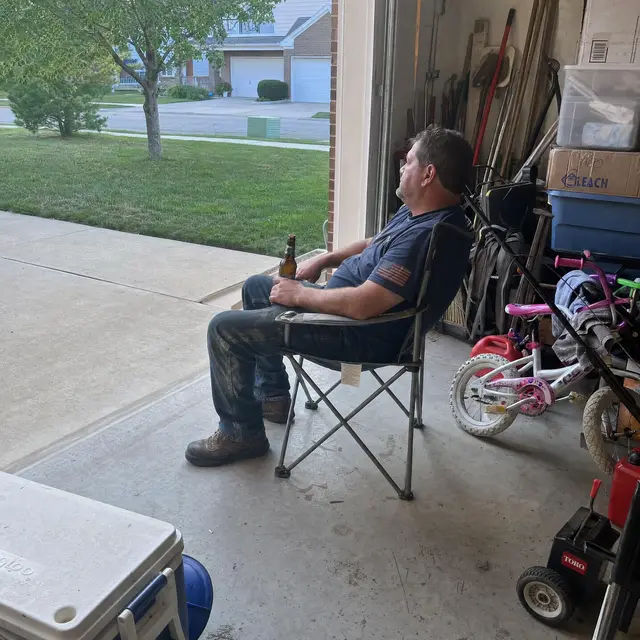
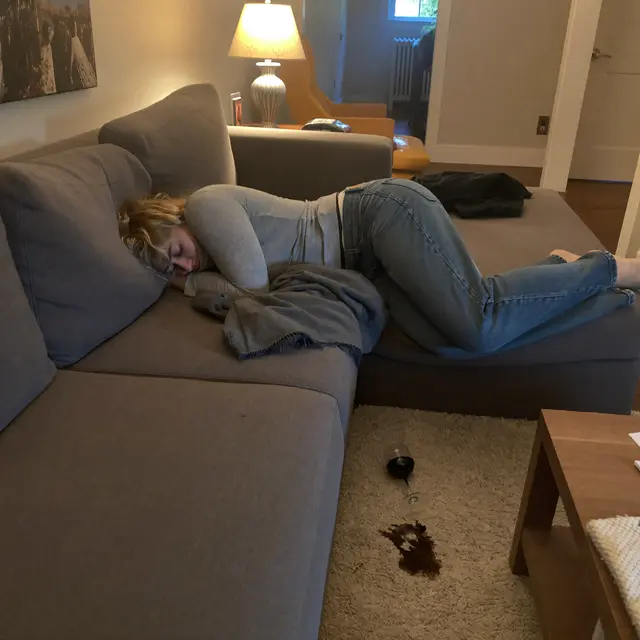
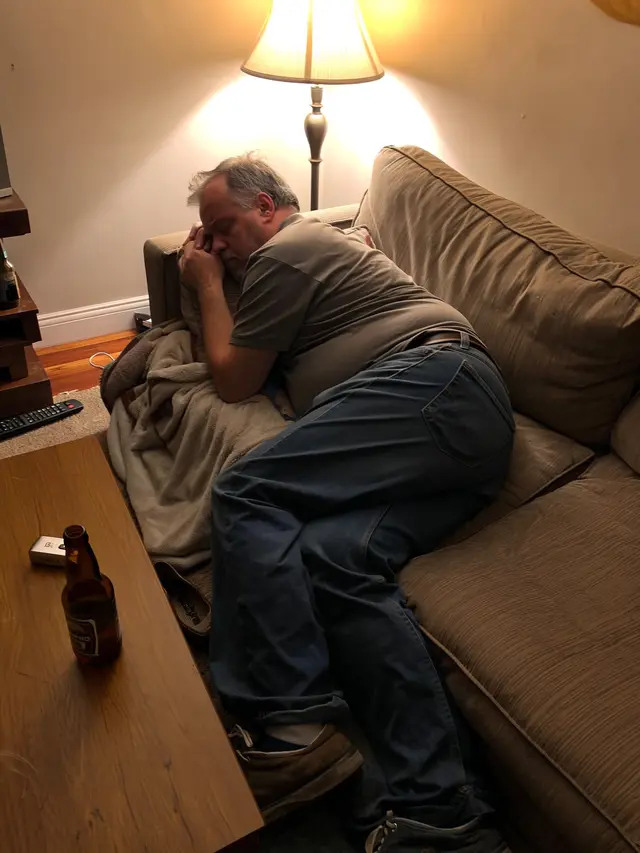
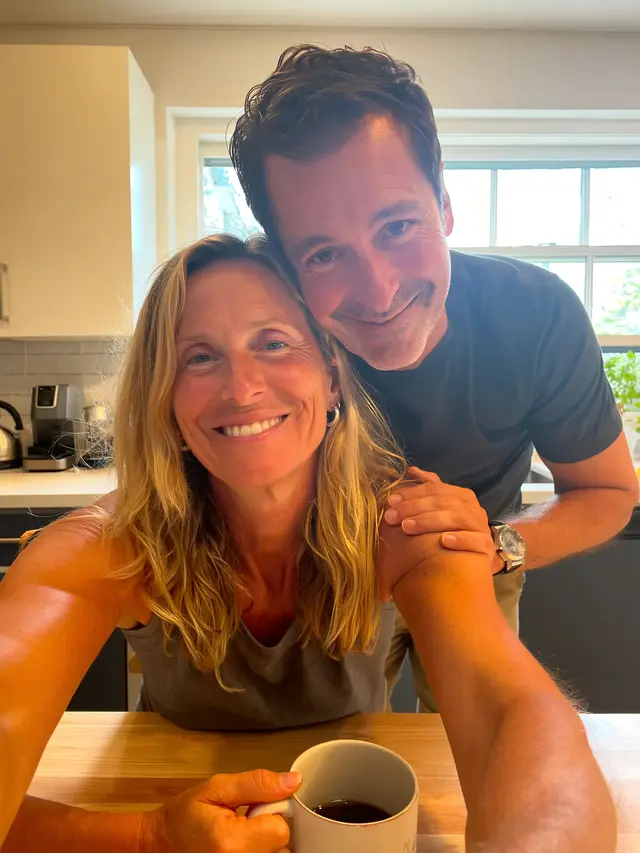
I'm 42. I counted last night. That was glass number 1,947 since my youngest was born. I know the exact number because two weeks ago I found out why it keeps getting worse, and I've been counting backwards ever since. My father drank for thirty years. I spent my twenties telling myself I was different because I only drank on weekends. My thirties telling myself I was different because I never drank in the morning. My forties finding new goalposts every time the old ones moved. The wine had crept from Fridays to Tuesdays to every night. From one glass to two to whatever was left in the bottle. And the worst part wasn't the drinking. It was that I couldn't find the moment where I crossed a line, because there wasn't a moment. There was just every year being a little worse than the year before, and me telling myself I'd get it together next month. My daughter is nine. The same age I was when I started noticing my father's eyes change after his drinks. She asked me last month why I seem different after dinner. I didn't have an answer. I had a bottle. I tried the things everyone tries. Dry January. Two-drink rules. Only on weekends. Only with food. Only at dinner. Each rule lasted a few weeks and then broke, and every time it broke I heard my mother's voice in my head saying your father used to say it was under control too. I went to therapy. She told me to journal. Ninety dollars a session. Sober evenings still felt like sitting in a room with the color drained out. I sat in the parking lot of an AA meeting for twenty minutes and drove home. Not because I was in denial. Because saying I am an alcoholic meant saying I had become my father, and every single thing I had built in my life was constructed to prove that wasn't true. I tried naltrexone. It took the pleasure out of drinking and took the pleasure out of everything else with it. My husband said I wasn't drunk but I wasn't there either. I was just existing. I quit the naltrexone. Poured a glass that night. Hated myself for it. Hated myself more for how much better the world looked with color in it again. Then my sister sent me something. A forum for adult children of alcoholics. And buried in a thread about why treatment never sticks, a woman had written something I couldn't stop reading. She said the reason it keeps getting worse isn't that you're getting weaker. It's that you were born with fewer dopamine receptors than most people, and every year of drinking depletes more of them, and the loop closes tighter every year because there's less left to feel with. I read it three times. And then I went looking. Here's what I found, which no therapist, no counselor, no doctor has ever told me. There's a gene called DRD2. It sets how many dopamine receptors your brain builds in the reward center. Most people have enough of these receptors that normal life — a good meal, a decent conversation, a Saturday morning — generates enough feeling that they don't need anything extra to make the day land. People whose parents drank heavily often inherit a variant of DRD2 that means fewer receptors to start with. You were born with a quieter reward system. Normal life was always going to feel flatter to you than it does to other people. That's the starting deficit. That's the hand you were dealt before you ever poured your first drink. Then comes the part nobody told me. Every time you drink, your brain floods with dopamine. It's the spike that makes the wine feel necessary. But your brain doesn't like being flooded. It protects itself by pulling receptors offline. Not all of them. Just enough to tone down tomorrow's signal so the overload doesn't happen again. So the next night, the same glass produces a little less feeling. Which means you need a little more. Which floods your brain again. Which pulls more receptors offline. I wasn't getting weaker. My receptor count was dropping. That is the loop. That is the thing nobody explains. You started with fewer receptors. Every year of drinking pulled more of them offline. Sober life got flatter each year because there was literally less of it to feel. And the wine felt more necessary each year because it was the only thing still loud enough to register. It's not a mystery that my glass went from one on Fridays to three on Tuesdays. I was fewer receptors deep than I was five years ago. The reason it felt impossible to cut back wasn't willpower. It was that sober felt flatter every year because there was less left to feel with. I had been trying to white-knuckle a neurological deficit that had been compounding against me since I was twenty-five. And the cruel part — the part I'm still sitting with — is that my father was in the same loop. My grandfather was in the same loop. Three generations of a family all told they were weak, when what was actually happening was a receptor math that nobody ever measured. The question I kept asking the internet at two in the morning was whether the loop could run the other way. That's how I found the research. A study published in the Journal of Behavioral and Brain Sciences in 2013 — Ettehadi and colleagues — showed that a compound called crocin increased dopamine availability in exactly the brain region where my loop was running. Not by regrowing receptors. By raising the signal at the ones still working. More dopamine reaching the hardware I had left. A 2025 clinical trial published in Phytotherapy Research tested the same compound on people with anhedonia — the clinical word for what I had, the inability to feel pleasure from ordinary things. Significant reduction versus placebo. The reward circuit started firing again on its own signal. Crocin comes from saffron. Not the spice in your cabinet — a standardized extract at the concentration used in the studies. 30mg, with 2.5% crocin and 1.5% safranal. Those are the numbers from the research. Most saffron products on the shelf don't match them, which is why most people try saffron and feel nothing. A company called Kinova Labs matches the clinical dose. Third-party tested. The label says Pure Saffron Extract. Nothing about alcohol. Nothing about recovery. A bottle that sits on my counter next to the multivitamin without announcing anything to anyone. Twenty-nine dollars. I had spent more than that on a bottle of wine the week before. I ordered it from my kitchen table at eleven at night. Day one, I took it with breakfast. Expected nothing. By evening the 6pm pull felt slightly less magnetic. One notch quieter on a sound that had been getting louder every year. Day four, I woke up and the first thought wasn't about wine. It was about what to pack in my daughter's lunch. The background hum that had been running beneath every waking moment was quieter than it had been in a decade. Week one. I read a book on the couch with my daughter leaning against me and felt the warmth of her there, and my brain registered it. Not as a thing I was forcing myself to appreciate. As a thing that was actually registering. That's when I understood what raising the signal meant. Week two. Three evenings without a glass. Not because I'd set a rule. The pull had just gotten quieter. The loop was running in the other direction for the first time. Week three. My husband said you seem lighter. My mother visited and said you seem like yourself. Last Tuesday I finished dinner, loaded the dishwasher, and sat down with the kids to watch something dumb. Around 9 I realized the bottle hadn't come out. Not because I'd decided. I just hadn't thought about it. That was the part that surprised me. That it got quiet. I called my sister the next morning. Told her everything I'd found. The gene. The depletion. The loop. The research. She was quiet for a long time. Then she said I've been hiding bottles in my closet for six months. Same family. Same starting deficit. Same loop closing tighter every year. She's three weeks in now. She went to her daughter's recital last weekend and called me from the parking lot afterwards and said I heard her sing. I actually heard her sing. I called my mother and told her about the receptor math. About the loop. About why it got worse every year for her husband and for her father and for me. She was silent for a minute. Then she said your father used to say it got worse every year and he didn't know why. Nobody ever told him there was a reason. I said I know, Mom. Nobody told any of us. What if the reason it keeps getting worse every year isn't that you're getting weaker, but that you were born with fewer dopamine receptors than most people and every year of drinking has been depleting the ones you had left? What if the loop has been closing against you since your twenties, and the reason every attempt to cut back has felt like breathing underwater is that the water has actually been getting deeper? What if the answer isn't more willpower against a deeper deficit. What if it's raising the signal at the receptors still working, so the loop finally runs the other way? I counted 1,947 glasses since my youngest was born. I've been counting backwards for two weeks. If the number you're counting has been getting worse every year and you don't know why, it might be worth looking into. https://kinovalabs.co/products/pure-saffron-extract-alc-support
Performance Signals
- Status
- Still running
- Time Running
- 166 days
- Active Period
- Apr 22, 2026 → Today
- First Seen
- Sep 29, 2026
Creative & Links
- Meta post ID
- 967000786265826
- Meta page ID
- 990942420766845
- Format
- Image
- Placements
- Facebook, Instagram, Audience Network, Messenger, Threads
- Country
- 🇺🇸 United States
- Original Ad
- Open in Meta Ad Library
Kinova Labs
kinovalabs.coKinova Labs
Shop Infos
- Created
- Mar 6, 2026 · 7 months
- Category
- Nutrition › Vitamins & Supplements › Health
Search every indexed Meta ad by niche, format, country and run time, save creatives to boards and track the brands behind them — free, no card.