PetLonga ad: Dr. Lauren Mitchell, DVM
PetLonga
1 active ads🇺🇸
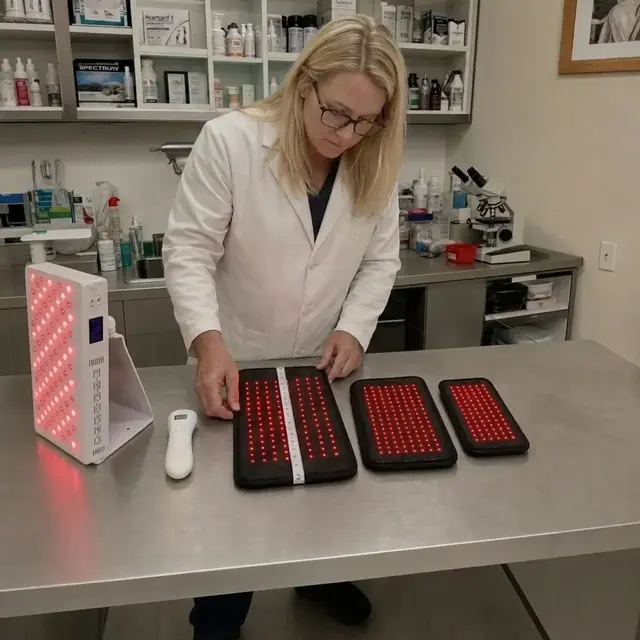
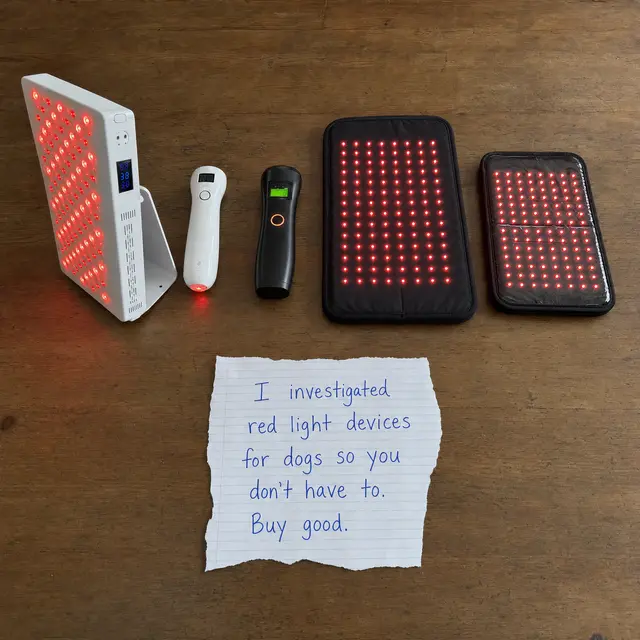
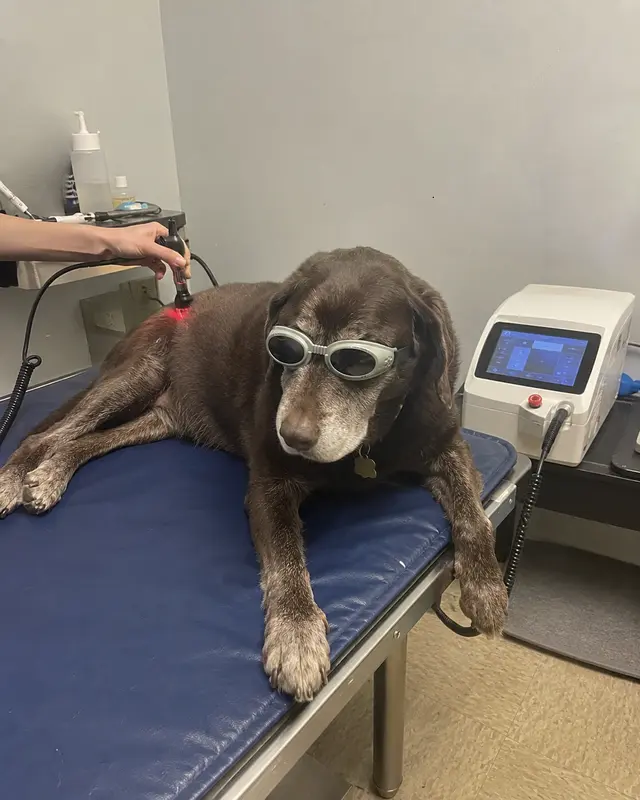
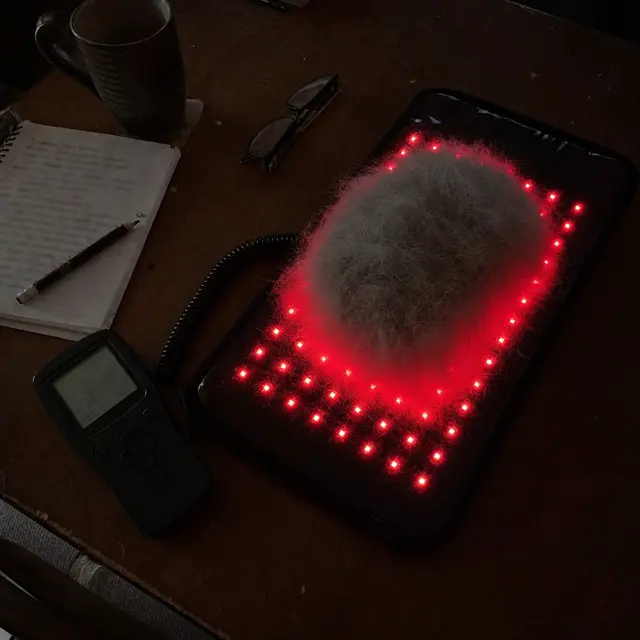
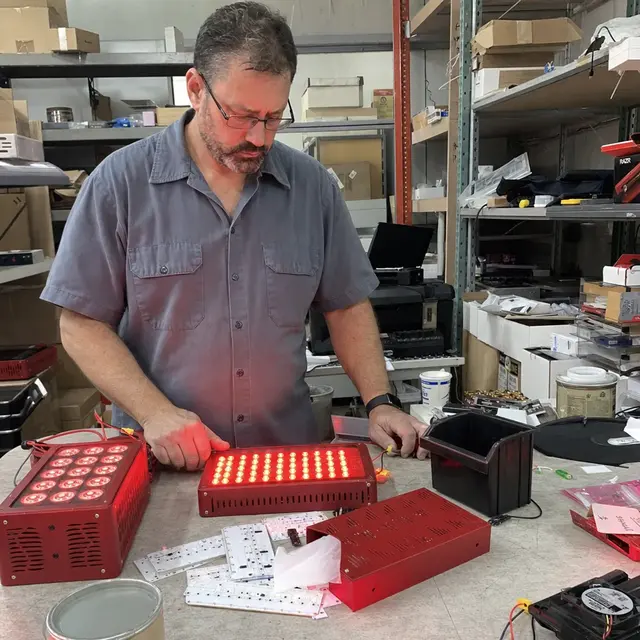
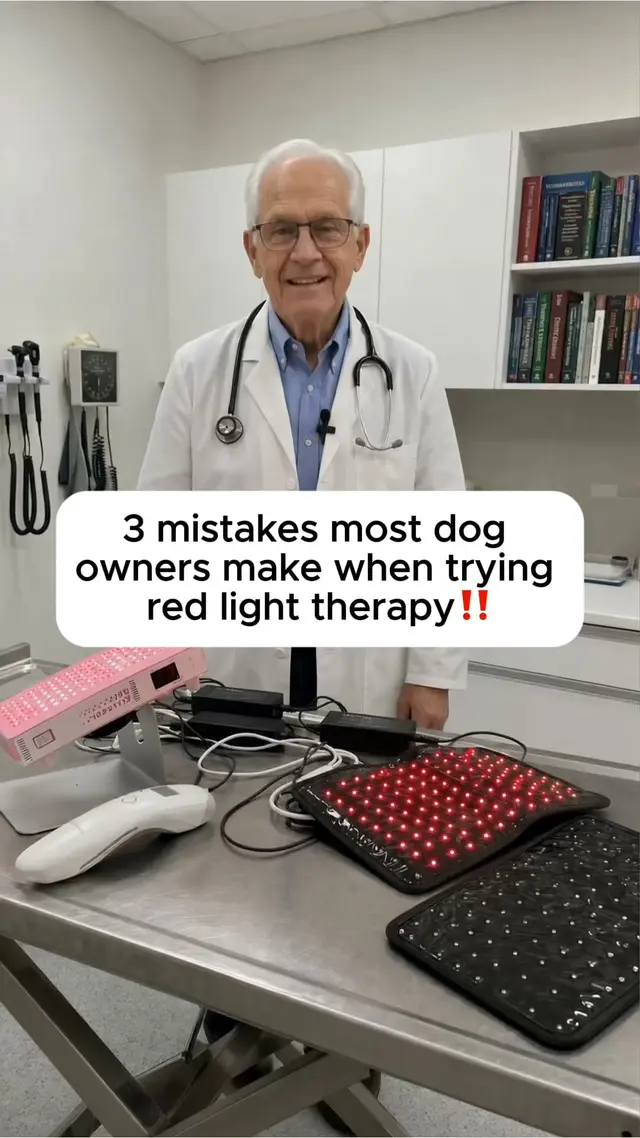
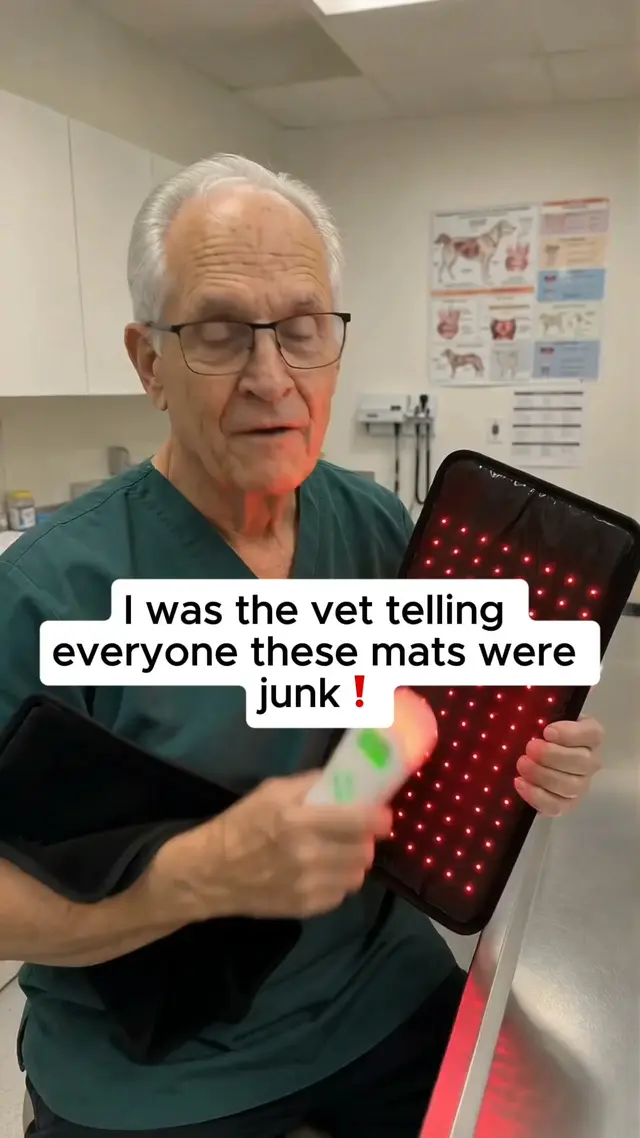
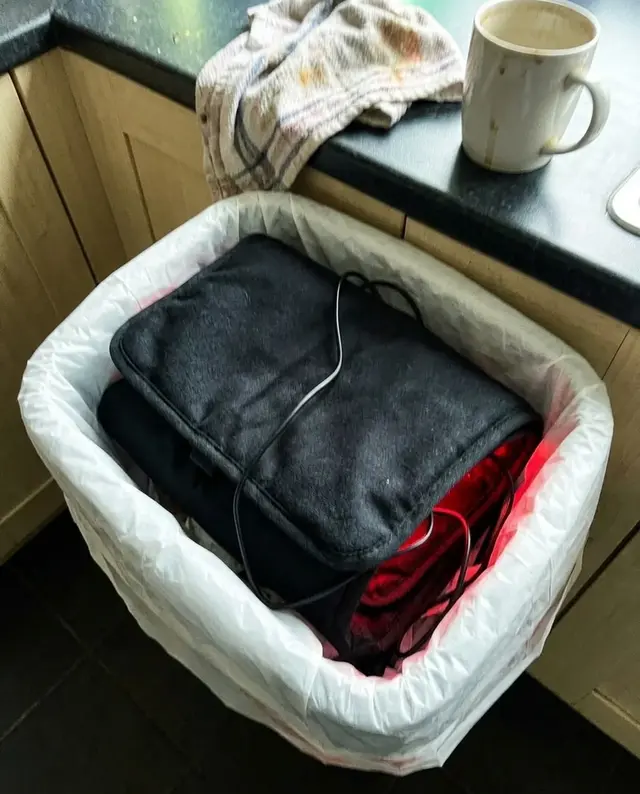
Before you waste money on another red light mat for your arthritic dog, I need to tell you what I found when I tested 12 of them with a lab-grade light meter. 10 of them weren't just a little weak. They were putting out almost nothing that could reach a dog's joint through its coat. Only one passed every test. I know that sounds like an ad. I promise it isn't. I'll show you the numbers on all 12. I'm a veterinary rehabilitation vet. I've treated over 2,000 dogs with arthritis and joint pain. For years, when clients asked me "which red light mat should I get for home?", I gave them a lazy answer. "Anything with red light on it should help a little." That was before I saw what happened to a colleague's dog. She's a vet tech at my clinic. Her 11 year old lab, Moose, had been on a popular red light mat from Amazon for six months. Forty dollars. Thousands of five star reviews. His hips kept getting worse anyway. She was doing everything right. Ten minutes a day, every day, right over the joint. She came to me almost in tears. "I don't understand. He's on the red light every day. Why isn't it working?" I didn't have a good answer for her. So I did something I should have done years earlier. I put her mat on my test bench and actually measured it. Here is what I found. The mat only emitted 660 nanometer red light. No 850. Nothing in the near infrared range, which is the only part that reaches deep enough to touch a joint. At the surface it put out about 15 milliwatts per square centimeter. Weak to begin with. Then I ran the test that actually matters. I laid a patch of Labrador coat over the sensor, the same thickness as Moose's. The reading dropped by more than 90 percent. Almost nothing was reaching the skin. And nothing at all was reaching the joint underneath. For six months, she thought she was treating Moose. The light was dying in his fur every single day. I felt sick, because I'd been telling clients to buy things like that for years without ever measuring one. So I started testing every red light device for dogs I could get my hands on. Amazon bestsellers. The ones from the Facebook ads. The expensive "vet grade" panels. Twelve devices. Same bench. Same three tests. The wavelengths each one emitted, the power at the surface, and the power that actually survived a patch of dog coat. The results were worse than I expected. 7 of the 12 emitted only red light, with no near infrared at all. They physically cannot reach a joint. 9 of the 12 put out under 20 milliwatts per square centimeter at the surface. Weak before the fur even enters the picture. And once I laid coat over the sensor, 10 of the 12 dropped by more than 90 percent. Basically nothing reached skin level. 3 of them turned out to be human red light panels with a dog printed on the box. Built for bare skin. Never designed to fight through a coat. Only one device passed all three tests. Both wavelengths, 660 and 850. Real power. And enough of it that meaningful light still measured at skin level even after I put the coat over the sensor. I was actually surprised which one it was. It was not the most expensive. The brand is called Petlonga. I didn't want to trust a single result, so I tested two units from two different batches. Both times, the same numbers. Both wavelengths, real output, light that actually made it through the coat. So I told my colleague to switch Moose onto it. Within about five weeks, he was getting up off the floor on his own again. She sent me a video of him taking the porch steps. First time in a year. After that, I started recommending it to clients with early arthritis. Not because anyone pays me. They don't. Over the past two years I've tracked about 40 of those dogs. The ones whose owners actually switched to it and used it consistently, most got visibly more mobile. Easier on the stairs. Getting up without help. The ones who stuck with their cheap Amazon or Facebook ad mats, most kept declining. I keep one at home now for my own 12 year old shepherd. I bought it myself. I use it every night. Not because I trust the marketing. I've learned not to. But because I measured it, I verified it twice, and I watched it work on dogs whose owners had already failed with the junk. If your dog is on a red light mat and you're not seeing anything change, the device is very likely the problem, not the therapy. Not all red light mats are the same. Most of them are too weak or the wrong wavelength, and the light never reaches the joint. I learned that the hard way, and I wish I'd known it sooner. After testing all twelve, there is only one red light mat I trust now. It's the one I recommend to my clients with arthritic dogs. It's the one I keep at home for my own shepherd. And it's the only one I'll put my name behind, because it's the only one where I measured light actually reaching the joint through a coat. If your dog is stiff and slowing down, don't gamble on another glowing pad. Start with the one I trust. 👉 https://petlonga.com/pages/listicle P.S. Be careful with the cheap pads and the ones in the flashy Facebook ads. Most of them are human panels relabeled for dogs, and they were the worst performers on my bench. The glow looks the same. The light never reaches the joint.
Performance Signals
- Status
- Still running
- Time Running
- 73 days
- Active Period
- Jul 20, 2026 → Today
- Advertiser live ads
- 1
- First Seen
- Sep 30, 2026
Creative & Links
- Meta post ID
- 27431538233204851
- Meta page ID
- 549003521636180
- Format
- Image
- Placements
- Facebook, Instagram, Messenger, Threads
- Country
- 🇺🇸 United States
- Landing Page
- petlonga.com/pages/listicle
- Original Ad
- Open in Meta Ad Library
More from PetLonga

PetLonga
petlonga.comPetLonga
Shop Infos
- Created
- Nov 28, 2025 · 11 months
- Category
- Pet Food & Supplies › Pets & Animals
- Live ads
- 1
Search every indexed Meta ad by niche, format, country and run time, save creatives to boards and track the brands behind them — free, no card.