NT.CO ad: Carol Warren

NT.CO
🇺🇸
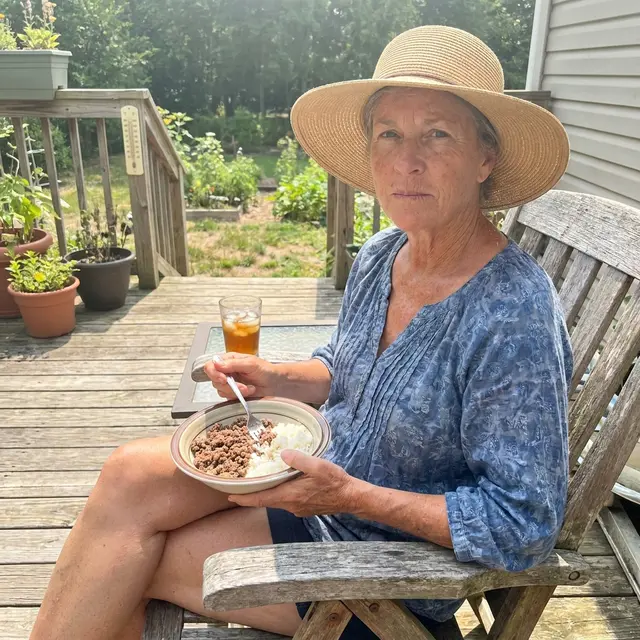
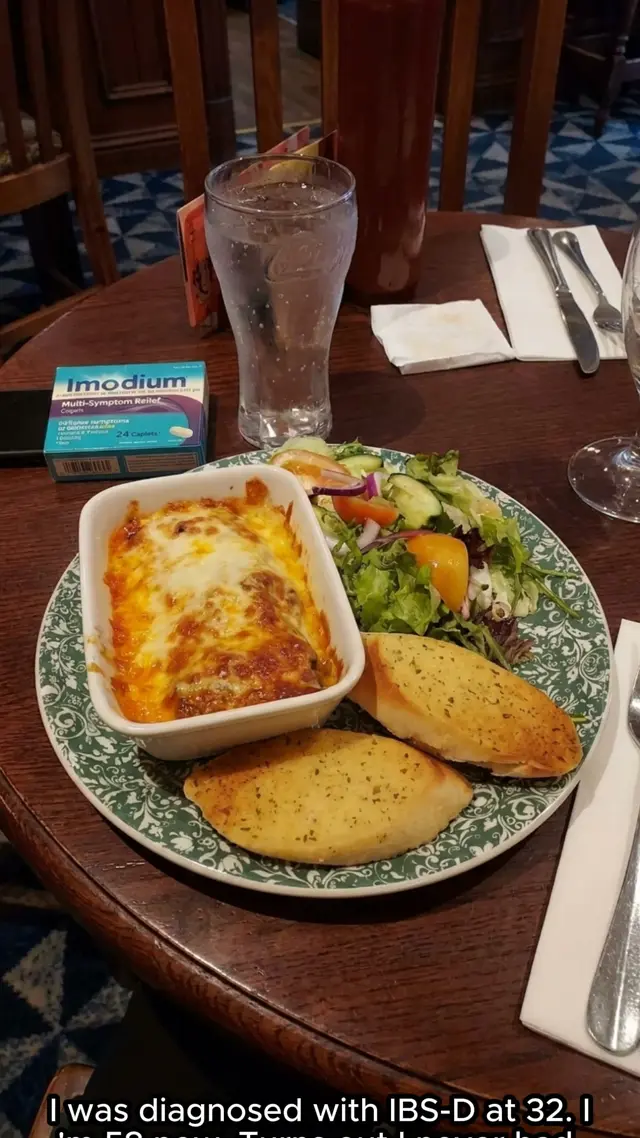
If you've been on the low-FODMAP diet for 6+ months, eliminated every trigger food down to eating plain chicken and white rice, and you're STILL bloated and swinging between constipation and diarrhea every single week — while your gastroenterologist tells you to "just keep avoiding triggers"... I'm about to show you why restriction isn't the answer and what's actually keeping you sick. And by the end of this, you're gonna be pissed. Because there are three things happening right now: One — Your gut has bacterial overgrowth that's fermenting EVERYTHING you eat, so eliminating foods is just treating symptoms, not the cause. Two — The medical system is selling you diet apps and FODMAP coaching instead of addressing why bacteria migrated to your small intestine in the first place. And three — There's a billion-dollar low-FODMAP industry that profits from keeping you restricted and miserable instead of teaching you how to actually clear the overgrowth. So let me tell you what happened with my sister, because our story is gonna open your eyes to why you can't diet your way out of SIBO. For YEARS — and I mean like six straight years — my sister was a prisoner of the low-FODMAP diet. Started with her gastroenterologist after her colonoscopy and endoscopy came back "normal." "It's IBS-M," he said. "Avoid high-FODMAP foods. Onions, garlic, beans, most fruits, wheat, dairy. Here's a list. Take a laxative when you're constipated, Imodium when you're not." She followed it religiously. Downloaded the FODMAP tracking app. Meal prepped every Sunday. Read every label. Avoided restaurants because cross-contamination was too risky. Month 1: The swings settled maybe 20%. Still constipated for days, then rushing to the bathroom three or four times when it flipped. Still bloated by lunchtime. Month 3: Added more restrictions. Cut out all lactose. All fructose. All polyols. Symptoms down another 10%. Still unpredictable. Month 6: Eliminated resistant starches. No sweet potatoes. No cold rice. No reheated pasta. Slightly better. Still having bad days. Month 12: Down to 15 "safe" foods. Plain chicken. White rice. Carrots. Zucchini. Eggs. Spinach. That's basically it. And you know what? She was STILL swinging between constipation and diarrhea. Every. Single. Week. Not as bad as before, sure. But her stomach would still bloat by lunchtime. She'd still get urgency after meals. She'd still have to leave the room to pass gas because she couldn't trust her own body. After a full year of the most restrictive eating you can imagine, she was STILL constipated for days then rushing to the bathroom with no warning. Still taking a laxative for the constipation and Imodium for the diarrhea on top of the diet — and building tolerance. Two tablets became three. Three became four. Her gastroenterologist said: "Well, you've made progress. Some people just have to stay on low-FODMAP permanently to manage symptoms." Permanently. She was 54 years old and being told she'd never eat normally again. That avoiding garlic and onions for the rest of her life was her "management strategy." And here's what destroyed her: It wasn't even working that well. She'd eliminated 90% of foods. She was eating like someone with severe allergies. And she was STILL bloated. STILL swinging between constipation and diarrhea. STILL mapping every bathroom. I'd watch her stare at the dinner table — full of food her husband was enjoying that was "forbidden" to her — and just cry. Garlic bread. Pasta. A glass of wine. A normal meal at a restaurant. Eating at her daughter's house without bringing her own food in Tupperware. All gone. She told me once, voice breaking: "I feel like such a disappointment to my husband. He likes trying different foods. New restaurants. We end up at the same boring safe places every time because of me. What happens when I run out of things to restrict? I keep eliminating more foods and I'm STILL sick." That's when I realized: This isn't a diet problem. This is a bacterial overgrowth problem that restriction can't fix. So at this point, I'm furious. Because I'm watching my sister — who's following the low-FODMAP diet perfectly, tracking every food, avoiding every trigger — stay sick. Not getting better. Just less sick than she was. And that's when I started asking questions that nobody wants you to ask: Why are gastroenterologists pushing permanent dietary restriction instead of treating the bacterial overgrowth causing the symptoms? Why do they act like "managing IBS-M with diet" is a solution when you're still swinging between constipation and diarrhea on 15 foods? And why does nobody ever talk about ELIMINATING the bacteria so you can eat normally again? So I went down a rabbit hole. And I mean a DEEP rabbit hole. I started researching why someone could eliminate every high-FODMAP food and still be swinging between constipation and diarrhea — and every mainstream medical site was giving me the same useless answers. "Some foods are hidden triggers. You need to restrict more. Try the carnivore diet." But then I found research from a neurogastroenterologist — someone who actually studies BACTERIAL CLEARANCE instead of just symptom management through diet. And she mentioned something that completely changed everything I thought I knew about IBS-M and FODMAPs. Low-FODMAP reduces symptoms by starving bacteria of their preferred foods. But it doesn't eliminate the bacteria. They just adapt and ferment whatever you ARE eating — even your "safe" foods. Now pause for a second. You know what's insane? Everyone talks about low-FODMAP like it's an IBS-M treatment. Gastroenterologists prescribe it. Dietitians build entire practices around it. Apps and meal plans and coaching programs. But nobody — and I mean NOBODY — ever taught us that low-FODMAP is symptom management, not bacterial elimination. You're not fixing SIBO. You're just reducing how much gas the bacteria produce by limiting their favorite fuel sources. And that's not an accident. Because once you understand what SIBO actually is, you realize that restricting FODMAPs doesn't address the root problem: bacteria colonizing your small intestine where they don't belong. Here's what actually happens when you have SIBO: Bacteria from your large intestine have migrated UP into your small intestine. They ferment carbohydrates prematurely — producing gas way too high up in your digestive tract. And here's the part that explains your swings: they make two different gases. The hydrogen speeds up gut motility and pulls water into the intestines. That's the diarrhea. That's the urgency. That's the watery stool. The methane does the exact opposite. It acts like an off-switch for your gut muscles, slowing the whole conveyor belt to a crawl. That's the constipation. That's the straining. That's the days nothing moves and you never feel empty. When your gut is making both at once, it swings between the two. That's the back-and-forth. That's IBS-M. High-FODMAP foods — onions, garlic, beans, wheat — are rapidly fermentable. Bacteria break them down fast and produce massive amounts of gas quickly. When you eliminate high FODMAPs, you're removing the bacteria's preferred fuel. So they produce less gas. Your symptoms decrease somewhat. You feel somewhat better. But the bacteria are still there. They're still fermenting the "safe" foods you ARE eating — white rice, chicken, carrots, even zucchini. Just slower. That's why you're still bloated on low-FODMAP. That's why you're still swinging between constipation and diarrhea. The bacteria haven't gone anywhere. They're just producing gas at a slower rate from whatever you give them. And here's the kicker: The longer you restrict FODMAPs, the more your gut deteriorates. Your microbiome diversity crashes because you're not feeding beneficial bacteria. Your gut lining gets more damaged because the bacterial overgrowth is still there causing inflammation. You develop new food sensitivities to things that never bothered you before. So you get: Swings that improve 30-40% but never resolve completely A safe foods list that keeps shrinking as bacteria adapt Bloating that's less severe but never goes away Increasing food sensitivities as your gut lining takes more damage Social isolation because you can't eat at restaurants or friends' houses Nutritional deficiencies from eliminating entire food groups Years of your life spent tracking foods and avoiding triggers A gut that gets WORSE over time because the overgrowth entrenches deeper Complete loss of hope that you'll ever eat normally again And here's the part that made my blood boil: The medical system KNOWS low-FODMAP doesn't eliminate SIBO. It's documented in gastroenterology research. They know it's symptom management, not treatment. In a Johns Hopkins study, 63.4% of patients tested for SIBO came back positive. A meta-analysis of 50 studies found SIBO prevalence of up to 53.3% in IBS patients. The research is right there. But most gastroenterologists don't test for it. They don't order breath tests. They don't specialize in motility. Why? Because there's no pharmaceutical money in teaching SIBO patients to eliminate bacteria naturally. You can't make billions off telling someone to clear the overgrowth so they can eat normally again. There IS money in keeping you on low-FODMAP apps, FODMAP-certified products, dietitian appointments, meal planning services, laxative and Imodium prescriptions, and repeat gastroenterologist visits for the REST OF YOUR LIFE. See how that works? So I kept researching. I'm reading SIBO studies now. Gastroenterology journals. Published clinical trials. And I found the study that changed everything. Johns Hopkins University. Published in Global Advances in Health and Medicine. Herbal antimicrobials including oregano oil achieved a 46% SIBO clearance rate on follow-up breath testing. The leading prescription antibiotic for SIBO achieved only 34%. The herbs outperformed the drug. And 57.1% of patients who FAILED that antibiotic then cleared their SIBO using herbal therapy as rescue treatment. The prescription antibiotic failed them. The herbs didn't. The compound that does the work? Carvacrol. Found in concentrated, therapeutic-grade oil of oregano. Carvacrol — alongside a second compound called thymol — has been shown across 10+ independent studies to disrupt the cell membranes of the harmful bacteria causing the overgrowth. Unlike the antibiotic that carpet-bombs everything — good and bad — carvacrol targets the harmful bacteria while preserving the beneficial strains your gut needs to recover. But here's the part that changed the game for my sister — the thing that explains why nothing she'd taken for six years had worked: SIBO damages the lining of your small intestine. When that lining is damaged, tablets and capsules can't be absorbed properly. Every probiotic, every supplement, every digestive enzyme she swallowed — her body couldn't use any of them. Oil of oregano in liquid drop form, held under the tongue, bypasses the malabsorption entirely. Absorbs directly. Doesn't need to be broken down by a damaged gut. This is what allows the carvacrol to actually REACH the bacteria — instead of passing through a damaged system unused. But you'll never hear a FODMAP dietitian mention it. They want you on meal plans forever, not eating normally in a few weeks. So my sister finally sees a neurogastroenterologist who actually understands bacterial elimination instead of dietary restriction. Dr. Sarah Mitchell. Specializes in gut motility disorders. And this woman takes one look at her history — six years on low-FODMAP, eating only 15 foods, still symptomatic — and says exactly what I'd been reading: "Low-FODMAP is a band-aid. It reduces symptoms by limiting bacterial fuel, but it doesn't eliminate the bacteria. They're still there, still fermenting whatever you eat, still damaging your gut. We need to TARGET them with antimicrobials that actually reach the small intestine — then you can eat normally again." She runs a breath test — something no doctor had ordered in six years. Comes back positive for both hydrogen and methane. That's the swinging. She tells my sister what to look for in an oil of oregano product: high-potency carvacrol, a clean carrier oil, consistent standardized potency, and a research-backed formula. And here's what shocked my sister: "You can stay on low-FODMAP during the first few weeks if it helps with symptoms. But the goal is to ELIMINATE the bacteria so you can reintroduce foods afterward. This isn't permanent restriction. This is clearing the overgrowth." For the first time in six years, someone actually gave my sister hope that she could eat normally again. But here's the problem... My sister had to try multiple brands to find one that actually worked. Different products. Different stores. Most of them garbage — low carvacrol content, cheap carrier oils, no standardized concentration. She tried three brands. Two did absolutely nothing. One made her nauseous. She's researching products, comparing labels, trying to figure out which ones actually have therapeutic levels of carvacrol — because most companies slap "oregano oil" on a label with barely any active compound inside. And the decent ones were costing her $40-50 a bottle. She was going through two a month. Every single month. Just to properly target the bacteria instead of just starving them with diet. But you know what? She did it. Because she was desperate. Because the alternative was eating 15 foods for the rest of her life and still swinging between constipation and diarrhea. And after about two weeks? Something shifted. The swings — even on her restricted foods — were less frequent. Like the bacteria were starting to clear and producing less gas overall. After four weeks? The urgency was down 60%. The constipated stretches were getting shorter. Better than six years of dietary restriction had achieved. She had steady energy. The brain fog was lifting. She was having formed, solid bowel movements — and actually feeling empty for once. And here's what shocked us: She accidentally ate something with garlic in it at week 5. Braced for the usual explosion. It never came. Slight discomfort, but nothing like the reaction she'd had for the past six years. After eight weeks? She put the laxatives and Imodium in the back of the drawer. Didn't need them anymore. After twelve weeks? Follow-up with Dr. Mitchell. We drove to the appointment in complete silence. Both terrified this would be another "still positive but slightly better" result. Dr. Mitchell ran the breath test again. Looked at the results. Looked at my sister. "What drops are you taking?" Hydrogen and methane levels: both dropped significantly. Overgrowth: receding. Gut motility: normalizing. "Your small intestine is clearing. This is what resolution looks like. Not management." Then she said something that made my sister cry: "Okay, now we can start reintroducing foods. You're not going to be on low-FODMAP forever. The bacteria that were fermenting those foods are clearing. Let's get you eating normally again." The swings never came back. I'm looking at my sister right now, 8 months later. She's eating garlic. Onions. Bread. Pasta. Apples. All the foods that were "forbidden" for six years. Her stomach stays flat all day. Her bowel movements are normal. Her energy is back. No laxatives. No Imodium. No restrictions. She went to a restaurant last week and ordered off the menu without modifications. Ate the whole meal. No swings. No bloating. No bathroom mapping. No anxiety. Her husband booked a place he'd been wanting to try for years. Somewhere new. Interesting food. The kind of place she'd refused for six years because nothing on the menu was "safe." She ordered the full menu. Appetizers, dinner, dessert. He looked at her across the table and said: "I've missed this." She'd missed it too. After six years as a prisoner of low-FODMAP, eating the same 15 foods every day, still symptomatic — she's free. And here's the part that still makes me angry: She spent six years restricting foods, tracking every meal, avoiding social situations, becoming nutritionally deficient — and her IBS-M barely improved. The safe foods list kept shrinking. The symptoms kept adapting. Then she spent 12 weeks targeting the bacteria causing the problem — and now she can eat everything. The restriction was never the answer. Bacterial elimination was. So now I'm thinking: Okay, these drops work. They're literally life-changing. But why is it so hard to find one that's actually formulated right? That's when I started looking for a company that actually cared about quality instead of just slapping "oregano oil" on a label. I spent weeks — WEEKS — researching supplement companies. Looking at carvacrol concentration, carrier oil quality, potency, whether doses were actually therapeutic. Because here's the thing: The supplement industry is shady as hell. Most "oregano oil" products are just cheap carrier oil with a hint of oregano flavoring. Below the threshold that does anything. I needed to find a company that: Had high-concentration carvacrol — the compound that actually targets the bacteria Used a clean carrier oil — not cheap filler that dilutes everything Was backed by real research — not just marketing hype Had standardized potency — so every bottle delivers the same concentration Wasn't charging insane markup prices And I kept seeing this company mentioned in SIBO forums and IBS-M support groups. So I go to their website, ready to be disappointed like I had been with every other brand. And I almost fell out of my chair. High-potency oil of oregano drops. Standardized carvacrol content. A clean carrier oil. Proper dosing. They'd even added vitamin E and black seed oil as a bonus. Everything you need to TARGET the bacteria — not just starve them with diet. And here's where my jaw hit the floor: When my sister was buying decent oregano oil separately? Close to $100 a month on brands that barely worked. Go look at the price right now. And they're running a buy 2, get 1 free deal. I'm dead serious. It's insane. Compare that to: Low-FODMAP meal delivery services: $200-400/month indefinitely FODMAP dietitian appointments: $150-300 per session FODMAP-certified specialty products: $100-200/month premium FODMAP apps, meal planners, food trackers: ongoing Years of your life spent avoiding foods instead of clearing bacteria: priceless And my sister's been taking it for 8 months now. The swings? Gone. The bloating? Gone. The FODMAP restrictions? Done with them. She reintroduced foods slowly starting around month 3. Garlic first. No reaction. Then onions. No issues. Then bread, pasta, dairy. All fine. Her functional medicine doctor said at her last follow-up: "This is what SIBO treatment should look like. You targeted the bacteria, healed your gut, and now you can eat normally. You're not managing symptoms with restriction — you eliminated the cause. That's actual resolution." Now here's the thing I need you to understand: If you've been on low-FODMAP for 6+ months and you're still bloated, still swinging between constipation and diarrhea, still restricting — it's not because you're "not doing it right" or need to "eliminate more triggers." It's because dietary restriction doesn't eliminate bacterial overgrowth. It just reduces symptoms by limiting bacterial fuel. The bacteria are still there. Still fermenting. Still damaging your gut. Still keeping you sick. You can restrict for years — eating plainer and plainer foods, avoiding more and more triggers — and you'll STILL have SIBO. Because you're treating the symptom (gas production) instead of the cause (bacterial colonization of your small intestine). You need to TARGET the bacteria. With a compound that can actually reach them. In a form that bypasses the damaged gut lining that's been blocking everything else. THEN you can eat normally. Not "manage" with restriction. Actually eat normally. Every month you stay on low-FODMAP without targeting the bacteria is another month of: Unnecessary food restriction stealing your quality of life Social isolation from being unable to eat normally Nutritional deficiencies from eliminating entire food groups Bacterial overgrowth entrenching deeper in your small intestine New food sensitivities developing as the gut lining takes more damage Hope slipping away that you'll ever be normal again I put the link below. And honestly? Even if you're skeptical, grab one bottle. Try it for 12 weeks. Stay on low-FODMAP during the first few weeks if it helps with symptoms. But understand the goal is to TARGET the bacteria so you can reintroduce foods afterward. Then start reintroducing foods slowly. See if your gut can actually handle them now that the bacteria are being addressed. Because the low-FODMAP industry isn't coming to save you. They profit too much from keeping you restricted and dependent on specialized products instead of teaching you to target the overgrowth and eat normally. You have to save yourself. Go get it. And use the money you save on FODMAP meal plans to eat at a real restaurant again once the bacteria are cleared. 60-day money-back guarantee. If nothing changes, full refund. 👉 https://nutritiontherapy.co/products/ooo-ibs-m P.S. — Low-FODMAP is not a life sentence. It's a temporary symptom management tool while you target the bacteria causing those symptoms. If you've been restricted for 6+ months and still swinging between constipation and diarrhea, you're managing the problem, not fixing it. Target the overgrowth. Let your gut heal. Eat normally again. That's actual resolution.
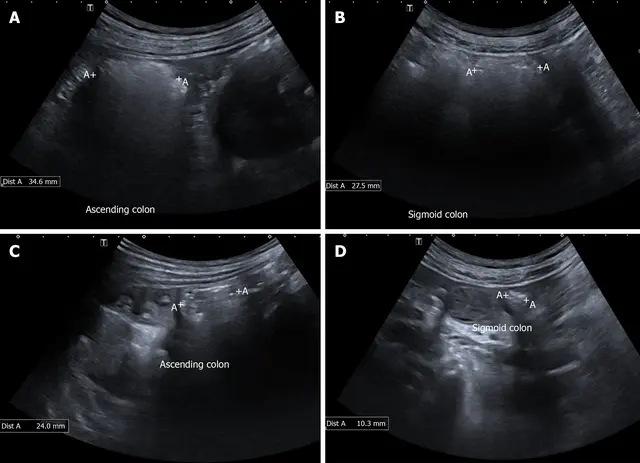
Performance Signals
- Status
- Still running
- Time Running
- 71 days
- Active Period
- Jul 23, 2026 → Today
- First Seen
- Sep 30, 2026
Creative & Links
- Meta post ID
- 1354407809473327
- Meta page ID
- 1152764237918766
- Format
- Image
- Placements
- Facebook, Instagram, Audience Network, Messenger, Threads
- Country
- 🇺🇸 United States
- Landing Page
- nutritiontherapy.co/products/ooo-ibs-m
- Original Ad
- Open in Meta Ad Library
More from NT.CO

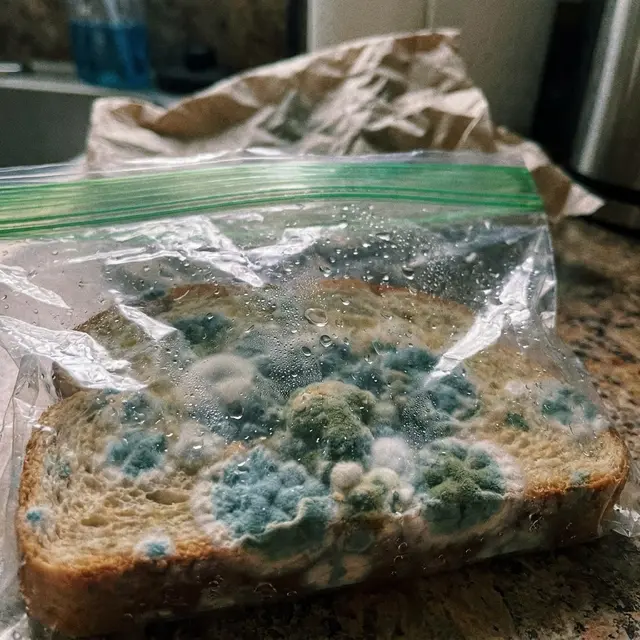
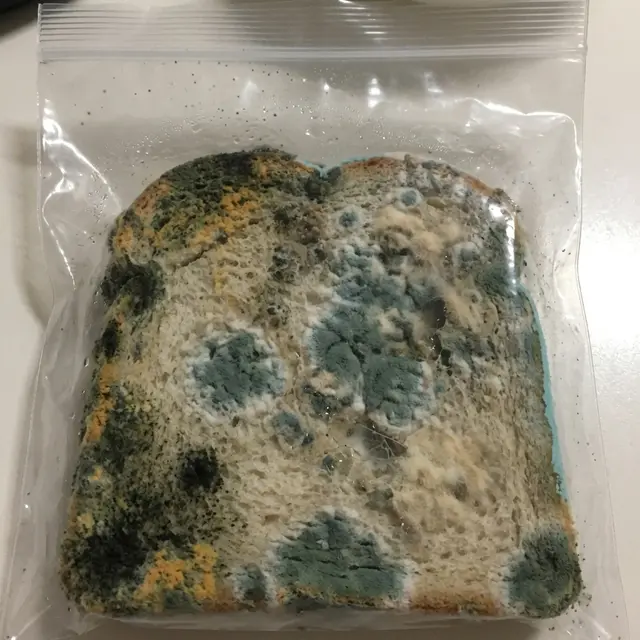
Nutrition Therapy
nutritiontherapy.coNT.CO
Shop Infos
- Created
- Feb 13, 2026 · 8 months
- Category
- Nutrition › Health
Search every indexed Meta ad by niche, format, country and run time, save creatives to boards and track the brands behind them — free, no card.