Wonderkid ad: Dr. Annemarie Hartmann

Wonderkid
24 active ads🇺🇸
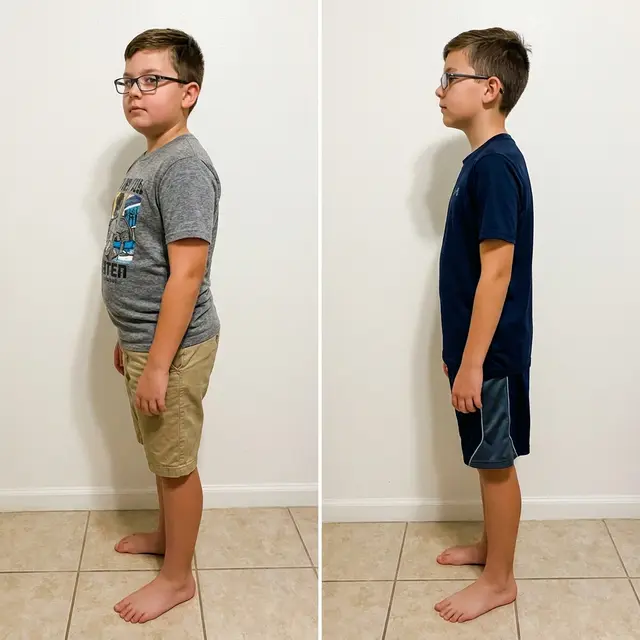
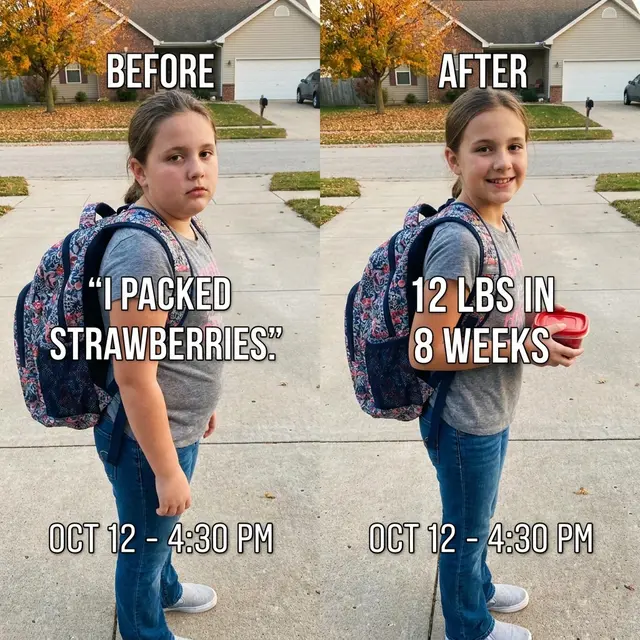
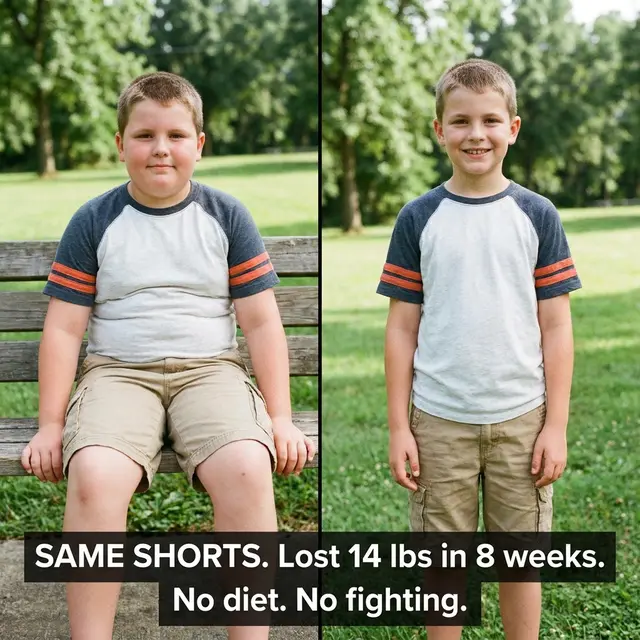
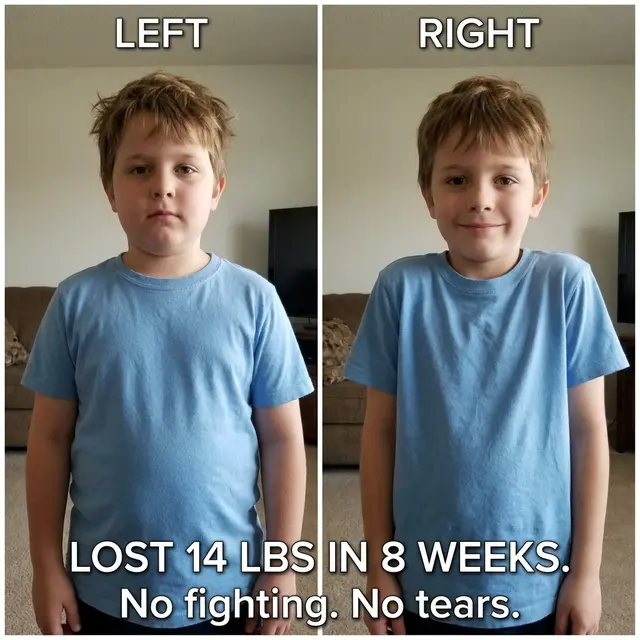
The vitamins were already in the cabinet. That’s usually the first thing parents tell me. Not as a brag. As proof. As the sentence that is supposed to close the conversation before it starts. “We’re already giving him vitamins.” “We tried the gummies.” “We did the clean ones.” “We even switched to the ones with Omega-3.” I understand why that sentence feels like it should end the discussion. A cabinet full of kids vitamins looks like responsibility. It looks like effort. It looks like a family that did the obvious thing. And still, the pattern walks into the visit with them. A child who is hungry again twenty minutes after a full meal. A parent who has become the nutrition police at home. School photos that got harder to look at. A hoodie that stays on when the weather doesn’t ask for it. PE excuses. Quieter drop-offs. A second grader who has already started making himself smaller — not because anyone told him to, but because he can feel the difference. I need to say this carefully, because parents in this situation are already carrying enough guilt: The cabinet is not evidence that you failed. Often, the cabinet is evidence that you aimed a real tool at the wrong job. In clinic, I hear the same sequence over and over. First come the food rules. Smaller portions. Bigger portions. More protein. Less junk. No snacks after dinner. Water first. Charts on the fridge. The whole consistency script. Then come the vitamins. Bright gummies. Clean subscription gummies. Omega-3 gummies. Bought for the basics, for picky days, for peace of mind when vegetables lose. Then comes the appointment where a parent says, almost apologetically, “We’re already doing everything.” And the child is still hungry shortly after meals. The weight is still climbing. The social armor is already forming. If you only hear “vitamins,” you might think the next step is another bottle in the same category. That is the loop I want parents to see clearly. Most popular kids vitamins are built for a different assignment than the one these families are trying to solve. They cover a basic panel. They help on picky days. They are easy to give and easy to take. A lot of them are closer to candy with a vitamin panel — sugar-forward, compliant, comforting on a label. Parents buy them so they can stop spiral-thinking about whether the basics are covered. That is a real job. It is not automatically the same job as settling a hunger signal that never fully turns down after normal meals. When a child is still asking twenty minutes after a full plate, parents usually assume volume, discipline, or snacks. Sometimes those matter. Food quality matters. Sleep matters. Movement matters. Patterns matter. But in a meaningful number of children, the deeper issue is a signal problem. The “enough” message doesn’t land cleanly. Hunger stays online. Food noise fills the gaps between meals. Restriction can make the noise louder. More food can delay the ask without flipping the switch off. The child is not lazy. The child is not running a con. The body keeps reporting empty after the plate is clean. If that is the problem, then pointing at the cabinet only helps if what is in the cabinet was built for that problem. Often it was not. This is the failure stack I see in practice — the kids version of buying the wrong tool three times and calling the category useless. Failure mode 1 — Wrong job. A product built for daily basics and picky-eater compliance is asked to fix constant hunger and climbing weight. Flashlight used as a lock. Same shelf. Same disappointment. Failure mode 2 — Candy with a panel. Compliance wins. The child takes the gummy. The parent feels the relief of having done a visible responsible thing. Twenty minutes after dinner, the ask returns. The pattern continues. Everyone feels crazy because the cabinet “should” have meant progress. Failure mode 3 — Same gap, new bottle. Bright to clean. Clean to Omega-3. Pharmacy to subscription. New packaging, same assignment, same open gap. Months pass. The sentence stays the same: “We’re already giving him vitamins.” That sentence is not proof the signal problem was addressed. It is proof the family entered the vitamin category. Those are not the same thing. So when parents ask me what else there is, I do not start by shaming the cabinet. I start by separating jobs. Basics coverage is one job. A hunger signal stuck on high is another. If the second job is still running the house — kitchen at 7:40, hoodie in the morning, picture-day dread, PE exits, the quiet making-himself-smaller pattern — then rotating inside the first job will keep producing the same result. This is also why “just be stricter” fails so often in these families. Stricter does not flip a signal stuck on high. This is why “grow out of it” fails as reassurance when school photos and drop-off keep getting harder. This is why a parent can do everything that looks correct on paper and still feel helpless in their own kitchen. Wrong gap. Not wrong love. Not “not trying.” Wonderkid is the product I point families toward when the pattern fits and the cabinet has already failed as a finish line. It is a kids multivitamin + Omega-3 in one gummy, built to help close nutrient gaps everyday children’s products leave thin — including the kinds of gaps parents notice when hunger never settles, evenings never quiet down, and the responsible-looking shelf stops working as an answer. Not a meal plan. Not a punishment chart. Not a replacement for ordinary food, sleep, or medical care when something else is going on. Not candy pretending to be a complete solution to a signal problem. I am careful with claims in this space. I do not tell parents a gummy replaces parenting. I do tell them that if they have been using a tool built for basics to solve a different pattern, they may not have failed — they may have been in the wrong lane. https://wonderkid-health.com/products/kids-multivitamin-omega-3 What I ask families to watch is not a miracle night-one switch. Week 1 often looks quiet. The first night may change nothing. That is where people quit and then say nothing works. Week 2 — fewer automatic after-school pantry pulls. More talking before hunting. The first hour home softens. Week 3 — portions ease without a speech at every meal. Dinner ends. The second negotiation gets rarer. Week 4 — face and energy look different in ordinary light. Evenings get quieter. The social armor starts to loosen in small ways before anyone is ready to call it a transformation. By around eight weeks, parents in this pattern often report the thing they cared about more than a number: peace at the table, fewer third asks, less dread around ordinary school moments. Some also see the scale move — in the stories families bring back, figures like 12 to 14 pounds over roughly eight weeks come up — without turning the house into a diet war. No fighting. No tears as the main method. The clinical point is not the headline number. The clinical point is whether the signal pattern and the daily armor start to change. If your cabinet is already full and your child is still hungry twenty minutes after meals, still climbing, already making himself smaller in second grade, it may not mean you forgot to try. It may mean the tools on the shelf were built for a different job than the one running your evenings. https://wonderkid-health.com/products/kids-multivitamin-omega-3 P.S. If your proof of trying is the cabinet, separate the jobs. Basics coverage is not automatically a hunger-signal solution. Week 1 is often not the verdict. Quieter evenings and fewer third asks usually show before anyone obsesses over a number. Wonderkid has a 90-day money-back guarantee. One gummy as directed. Ordinary meals. No diet theater required. P.P.S. I am not anti-vitamin. I am anti the confusion that treats every bottle in the cabinet as interchangeable with the right tool for constant hunger. That confusion costs families time — in kitchens, in school hallways, on porch steps, in picture-day weeks they don’t get back. P.P.P.S. If you have already done portions, structure, and a shelf full of kids gummies, and the pattern is still running, you are the exact parent this conversation is for. Not because you failed. Because you may finally be ready to stop shopping inside the same failure mode. Dr. Annemarie Hartmann, MD [Edit: https://wonderkid-health.com/products/kids-multivitamin-omega-3 · 90-day money-back]

Performance Signals
- Status
- Still running
- Time Running
- 34 days
- Active Period
- Aug 27, 2026 → Today
- Advertiser live ads
- 24
- First Seen
- Sep 30, 2026
Creative & Links
- Meta post ID
- 4516521105159908
- Meta page ID
- 1261550757047025
- Format
- Image
- Placements
- Facebook, Instagram, Audience Network, Messenger, Threads
- Country
- 🇺🇸 United States
- Original Ad
- Open in Meta Ad Library
More from Wonderkid


Wonderkid
wonderkid-health.comWonderkid
Shop Infos
- Created
- Jul 3, 2026 · 3 months
- Category
- Nutrition › Vitamins & Supplements › Health
- Live ads
- 24
Search every indexed Meta ad by niche, format, country and run time, save creatives to boards and track the brands behind them — free, no card.