Wonderkid ad: Dr. Annemarie Hartmann

Wonderkid
7 copies🇺🇸
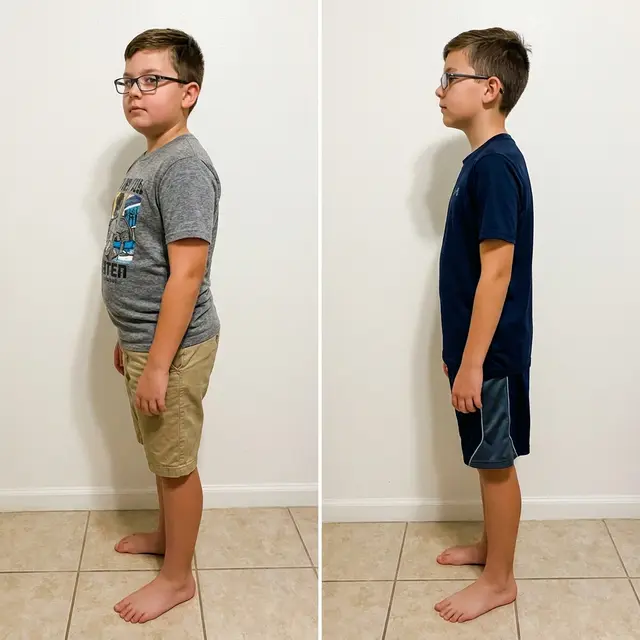
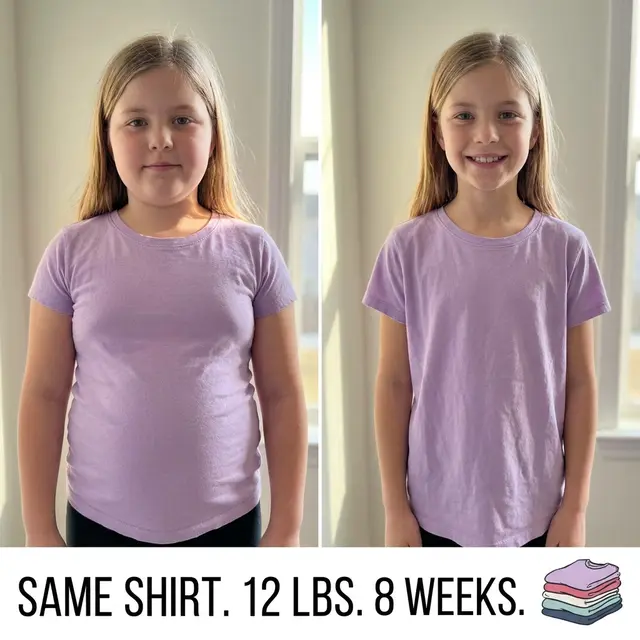
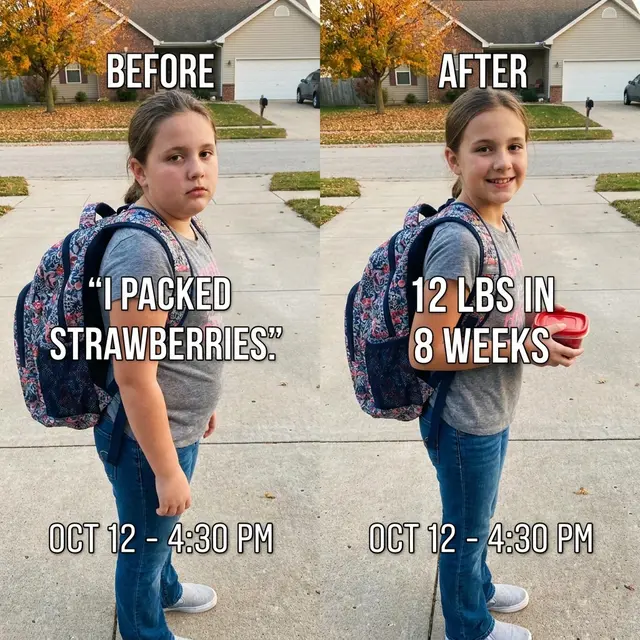
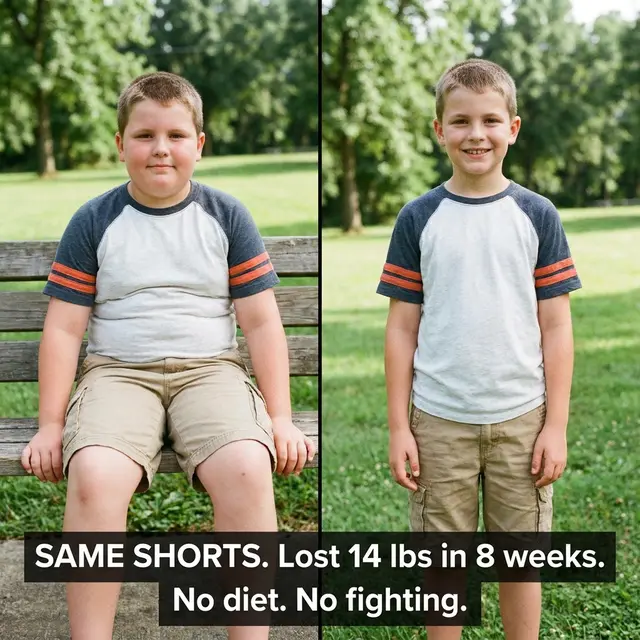
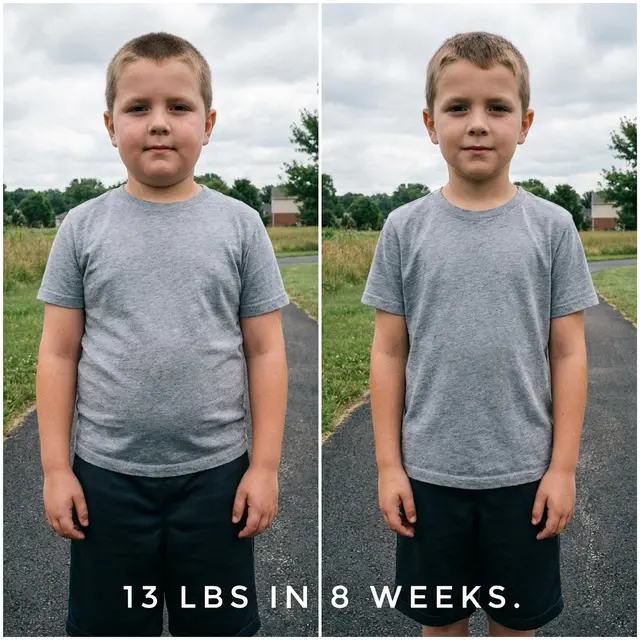
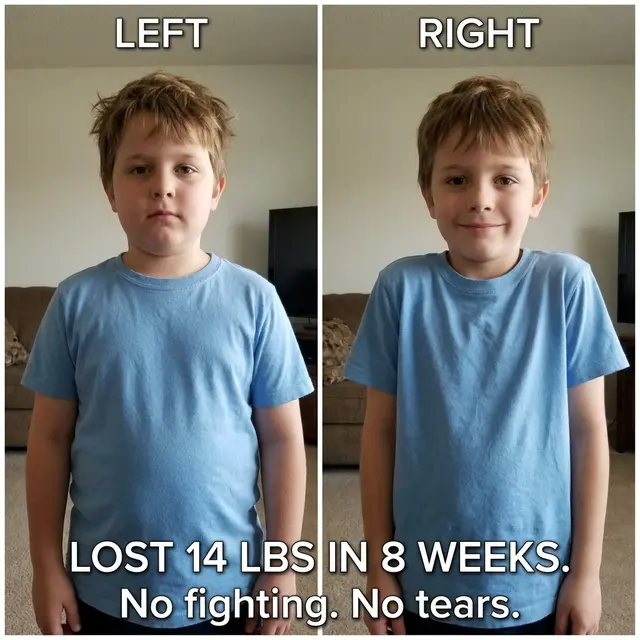
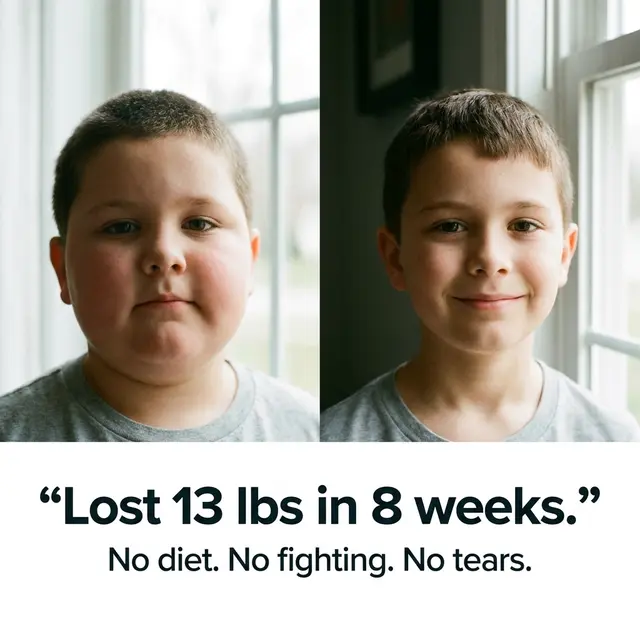
I keep seeing the same parents in my practice. They’ve already cut the snacks after dinner. They’ve already switched to the “clean” gummies. They’ve already tried smaller portions, more protein, less refined carbs. They’ve already heard “he’ll grow out of it” from someone they trust. And the child is still hungry twenty minutes after a full plate. And the weight is still climbing. And by second or third grade, many of these kids have already started making themselves smaller. Not because a parent shamed them. Because they can feel the difference between themselves and the other kids. Hoodie at drop-off even when it’s warm. Quiet in the hallway. Hands in the sleeves. PE excuses. The step at the birthday party instead of the race. The team photo negotiation for the back row. Picture day on the calendar like a test the whole family braces for. Parents come in carrying guilt like it’s part of the chart. They say they feel like the nutrition police in their own house. They say they’re afraid of creating a body-image problem by talking about food — and equally afraid of doing nothing while the curve keeps rising. They say they’ve tried everything that was supposed to work. I don’t start with a diet. Diets for children in this situation often make the food noise louder, not quieter. Restriction can increase sneaking, increase questions, increase shame — and leave the hunger untouched. What I look for first is a pattern I see over and over: A hunger signal that never really says “enough.” And a gap that most popular kids vitamins never address. A lot of the gummies already in the cabinet are essentially candy with a vitamin panel. They fill a label. They don’t touch the signal. That’s why “just be stricter” fails so often in real life. Stricter doesn’t flip a switch that’s stuck on. That’s why “grow out of it” fails for so many families who wait two more years and watch the same pattern harden — quieter at school, louder at the fridge. That’s why another round of the same gummies fails. Wrong gap. When families close that gap — not with restriction, not with a meal plan that turns dinner into a negotiation — something quieter happens first. Week 1 often looks like nothing. I tell parents to expect that. Night one changes very little. Week 2 — the after-school kitchen raid slows. The child talks before he hunts the pantry. Week 3 — portions ease on their own. Nobody is narrating the plate. The third ask doesn’t come as fast. Week 4 — the face looks different. Same haircut. Different cheeks. By around eight weeks, many of these kids have lost 12–15 pounds. No diet. No fighting. No tears. The biggest change parents report isn’t the number on the scale. It’s the peace at the table. It’s the missing stomachache before the pool. It’s the kid who stops negotiating the back row of the team photo. It’s dinner that ends. I’m not asking anyone to ignore medical care. I’m saying that before the conversation turns only to harder measures, it’s worth looking at a nutrient gap most children’s vitamins leave out — the one that keeps hunger signals stuck on high. If you’re the parent who already did everything right and it’s still not enough, this is the pattern I see. https://wonderkid-health.com/products/kids-multivitamin-omega-3 [Edit: 90-day money-back]
Performance Signals
- Status
- Still running
- Time Running
- 39 days
- Active Period
- Aug 26, 2026 → Today
- Copies live
- 7
- First Seen
- Sep 30, 2026
Creative & Links
- Meta post ID
- 1778573793296117
- Meta page ID
- 1261550757047025
- Format
- Image
- Placements
- Facebook, Instagram, Audience Network, Messenger, Threads
- Country
- 🇺🇸 United States
- Original Ad
- Open in Meta Ad Library
Wonderkid
wonderkid-health.comWonderkid
Shop Infos
- Created
- Jul 3, 2026 · 3 months
- Category
- Nutrition › Vitamins & Supplements › Health
Search every indexed Meta ad by niche, format, country and run time, save creatives to boards and track the brands behind them — free, no card.