Circulene ad: Heart Longevity Journal

Circulene
🇺🇸
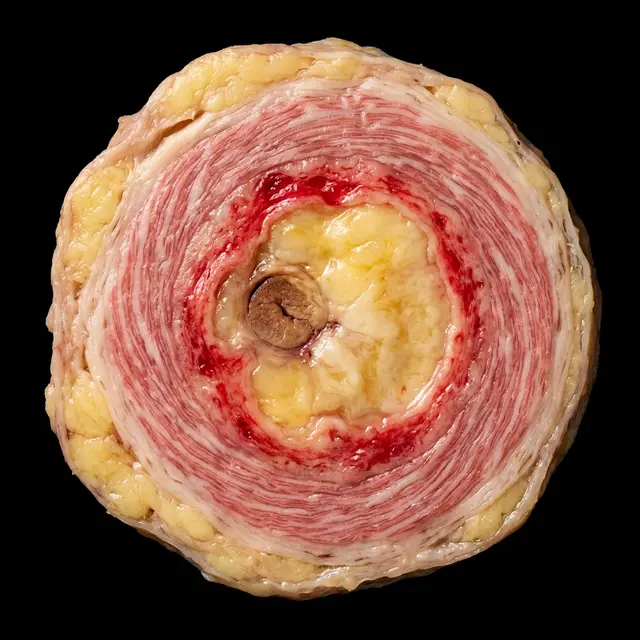
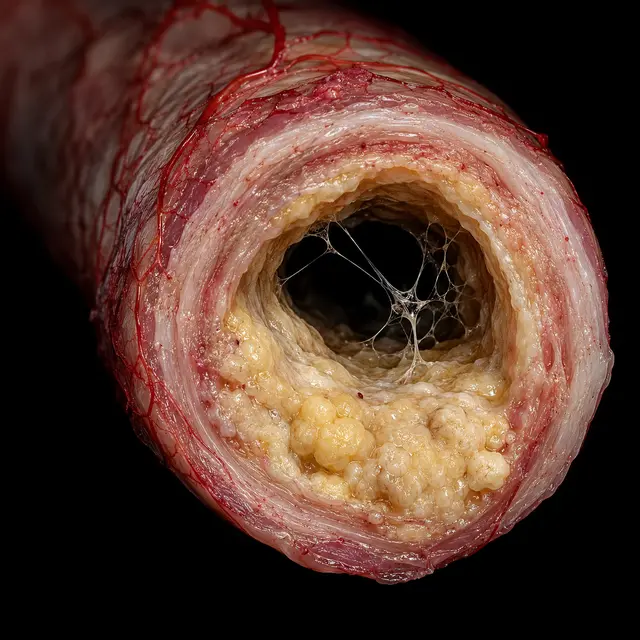
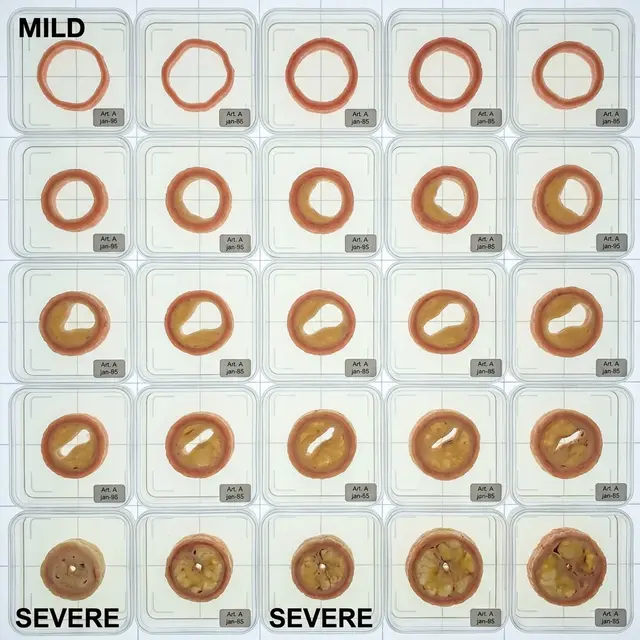
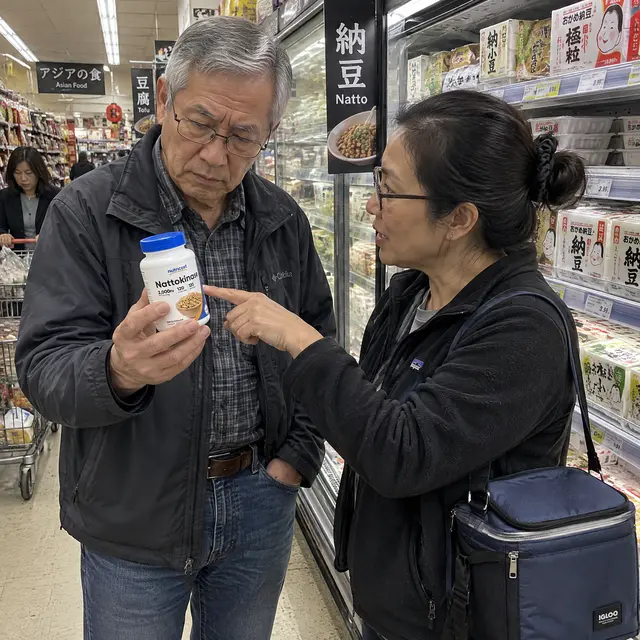
I Refused Lipitor for Three Years. Here's What Happened to My Cholesterol. I've been a nurse for 32 years, and high cholesterol is one of the hardest things I watch patients struggle with. Not the cholesterol itself. The medication. The muscle pain that creeps in around month three. The fatigue so heavy they're asleep on the couch by 7 PM. The brain fog that makes them lose their words mid-sentence. The aches in their shoulders and thighs that get blamed on "just getting older." I've watched patients follow their doctor's orders for years. Decades. Watched their LDL numbers come down on paper. Watched them have a heart attack anyway. About three years ago, it happened to me. My own cholesterol started creeping up. All those years of long shifts, hospital cafeteria food, stress I never let myself feel. It finally caught up with me. First it was borderline. Then it wasn't. Total cholesterol 254. LDL 178. My doctor pulled up my chart. Looked at the trend. And said the words I'd been preparing for since I turned 45. "I'm starting you on Lipitor. 20 milligrams daily." My throat tightened. Lipitor. The same medication my mother had been on for fifteen years. Her LDL had been textbook the whole time. 92. 88. 95. Every quarterly check, the numbers came back beautiful and her cardiologist would smile and tell her she was doing everything right. Meanwhile, she couldn't lift a grocery bag without her shoulders burning. Couldn't stay awake past 8 PM on the couch. Couldn't remember what she'd come into the kitchen for. She'd say "the medication is working." Her doctor would say "the medication is working." Her labs said the medication was working. She died of a heart attack at 67. Textbook LDL. Three blockages. The cardiologist said it was "unfortunate" and "sometimes the disease finds a way." My father said one thing at the funeral that I've never been able to put down. "The pills did everything they promised. And it didn't matter." So when my doctor handed me the prescription for Lipitor, I smiled politely and said I'd think about it. But I knew I wasn't filling it. I'd watched too many patients walk that road. I'd watched my own mother walk that road. And the road ended in the same place whether the labs looked good or not. So I did what they tell us to do. Cut the saturated fat. Started walking every morning. Lost twelve pounds. Took fish oil. Tried red yeast rice, then bergamot, then a plant sterol blend a coworker swore by. My next bloodwork? LDL 172. Total cholesterol 243. Six points. After eight months. The doctor's office called. Then called again. "Mrs. Warren, your LDL is in the high-risk range. Dr. Marianne needs to confirm you've started the Lipitor." I told them I needed more time. But the truth is, I didn't know what else to do. Then about four months ago, one of my long-term patients came in for her quarterly visit. Eleanor. Sweet woman, early sixties. Cholesterol issues for over a decade. I'd watched her cycle through three different statins and end up off all of them because the side effects were unbearable. Her LDL had been stuck above 170 for years and she was terrified. But this time her face looked different. Lighter. Less tight around the eyes. I pulled up her labs and almost dropped the chart. LDL 128. HDL up nine points. Triglycerides down by a third. "What did your cardiologist put you on?" "Nothing," she said. "He took me off the last statin in February. Told me to keep doing what I was doing." I asked her what she was doing. She told me about an enzyme her son had read about. Something from a traditional Japanese food. She'd been taking it for almost six months. I'll be honest. I was skeptical. After 32 years as a nurse, I've heard every miracle remedy story you can imagine. People swear something worked when really their numbers just bounced. People take three things at once and credit the wrong one. But Eleanor wasn't like that. She'd been a paralegal for forty years. She read footnotes for a living. And her labs were sitting right there in front of me. Before I left the clinic that day, I checked my own cholesterol panel from the week before. LDL 176. I couldn't sleep that night. I got up, opened my laptop, and did what I should have done years ago. I started reading the research myself instead of trusting what we'd been taught. What I found changed how I think about everything I've been telling patients for two decades. Plaque. I'd been trained to think of it the way every cardiologist thinks of it. LDL is the enemy. Lower the LDL, lower the risk. And that isn't wrong. LDL matters. The studies are real. The guidelines exist for a reason. But it's not the whole story. And the part that was missing is the part that explained something I'd been watching for 32 years and never had an answer for. Plaque doesn't just start with LDL. It starts with damage to the artery lining. Inflammation damages it. Blood sugar damages it. High blood pressure damages it. Every cardiologist knows this part. Once the lining is damaged, the body patches the injury with a sticky protein called fibrin. Same protein your body uses to form a scab when you cut yourself. It's meant to be temporary. The body has its own system for clearing it. An enzyme called plasmin that dissolves fibrin once the repair is done. When we're young, this all happens automatically. Fibrin goes up, plasmin clears it, arteries stay clean. That starts to shift in your 40s. The inflammation doesn't stop. The body keeps laying fibrin down. But plasmin production drops, and something called PAI-1 starts blocking the system. The fibrin that used to get cleared out stays where it is. And the longer it sits there, the more it catches. Think of fibrin as a spider web stretched across the inside of an artery. LDL particles. Calcium. Dead cells. Anything floating past gets tangled in the mesh and pinned against the wall. And once they're trapped there, they oxidize. Hardens. Layer on top of layer. That's how plaque forms. It's not a cholesterol problem. It's a fibrin problem that catches cholesterol. Statins lower the LDL floating in your blood. They do their job. But the mesh on the artery wall is still there. And the mesh keeps catching whatever LDL does come by, even at lower levels. So the numbers look better on paper, but inside the artery, plaque can still keep building. And the statistics confirm nearly half of heart attack victims have normal LDL when it happens. Some were on statins at the time. If cholesterol were the whole story, those statins would have saved them. So the next morning I went looking for what Eleanor had been taking. Nattokinase. And I'll be honest, my first reaction was the same one I've had for thirty years every time a patient mentions a supplement. Probably overhyped. Probably underdosed. Probably no real study behind it. But I couldn't get Eleanor's labs out of my head. After what I'd just read, those numbers weren't a coincidence. So I started reading the studies on nattokinase. Here's what it actually does. Nattokinase comes from a fermented soybean food the Japanese have eaten for over 800 years. It's a fibrinolytic enzyme. Which means it does the one thing no statins can do. It dissolves fibrin directly. The same way the body used to clear it on its own, through the plasminogen pathway. Nattokinase supports the conversion of plasminogen into plasmin, the enzyme that actually does the breaking down fibrin. It also helps quiet PAI-1, the blocker that makes it harder for the body to clear fibrin as we age. With both ends reinforced, the body can finally start breaking down the mesh that's been building for years. And as the mesh dissolves, the trapped cholesterol loses what was holding it in place. There's a clinical study of 1,062 participants who took 10,800 FU of nattokinase daily for twelve months. Their arterial wall thickness dropped 21.7%. The plaque they measured was down 36%. LDL came down 18%. Triglycerides dropped 16%. And their HDL went up. Not from a drug. From an enzyme found in fermented soybeans. So that night I went on Amazon to see what was actually available. Most of the bottles were 2,000 FU. Some were 1,500. Some didn't even list the FU at all, which is the only number that actually matters because it measures the active enzyme. The clinical study used 10,800 FU daily. But when I looked at most bottles on the market, many were giving people barely a fifth of that amount. Then I remembered Eleanor had told me the brand name during her appointment. Circulene. I'd half-listened at the time because I was already mentally filing it under "another supplement." I went back to my browser and looked it up. 10,000 FU per serving. The clinical dose. One ingredient, real fermented natto. Third-party tested in the US. I ordered a bottle that night. When it arrived I took the first serving with breakfast. I didn't expect much. I'd been burned twice already and I was tired. Six weeks later I went back to Dr. Marianne for follow-up labs. LDL 166. Down 10 points. Twelve weeks: LDL 158. Sixteen weeks: LDL 147. My triglycerides are also down. At that sixteen-week appointment, Dr. Marianne pulled up my chart. Frowned. Pulled up the previous year's panel for comparison. Frowned again. "What changed?" I told her about the enzyme, the dose, the study Eleanor's labs had pointed me toward. I tried to keep it clinical. She looked at the screen for a long time. "Whatever you're doing, keep doing it. We can hold off on the Lipitor and check again in three months." I walked out of that office. Sat in my car. Didn't move for ten minutes. That was nine months ago. My LDL this morning came back at 127. HDL is the highest it's been in fifteen years. Triglycerides under 100. And the calcium score Dr. Marianne ordered last month hadn't moved from where it was two years ago, which at my age it should have. No Lipitor. No muscle pain. No brain fog. No quarterly appointments where the labs look good and the body keeps building plaque underneath. Last week I walked my dog at six in the morning, did a full day at the clinic, and went out to dinner with my husband that night. Two years ago I would have needed to sleep through the weekend after a week like that. If you're in your fifties and your LDL is climbing no matter what you eat. If your doctor is pushing a statin you're scared to start. If you've watched a parent take the medication faithfully and end up in the cardiac unit anyway. The cholesterol number is real. The mechanism underneath it is the part nobody is teaching us. Circulene is the one I went with. 10,000 FU per serving, matched to the clinical dose. One ingredient. Third-party tested. Here's where I got mine: 👉 https://circulene.com/pages/10-reasons-why (They're running a buy 3 get two free promo right now and I just stocked up for the year.) — Linda Reeves P.S. A few things I wish someone had told me before I ordered. Circulene comes with a 30-day money-back guarantee. If your numbers don't move, you get your money back, no questions. I would have stopped wasting time on the cheap brands months earlier if I'd known to look for that. Most people pay full price, but they're running a promo right now with real savings. That's how I was able to pick up extra bottles for the year. The only issue is they're a small company and they sell out. Word has been spreading in my own clinic, which is part of why I'm writing this. If you click the link and they're out of stock, that's the reason. I've had patients wait three weeks for a restock. If you're in the same place I was, scared of the side effects, watching a parent decline on the same medication you're being asked to start, I'd grab a bottle while it's available. I'm not following my mother's path. My LDL went from 178 to 127 without a statin and without the muscle pain that took her quality of life for fifteen years. If there's a chance this could work for you the way it worked for me and Eleanor, it's worth the thirty days. 👉 Check if Circulene is in stock here: https://circulene.com/pages/10-reasons-why P.P.S. I posted a shorter version of this story in a women's health group last month and the comments are still coming in. Someone wrote that her labs moved in eight weeks and she's going back next month to get her dose dialed in. One woman wrote that she'd been taking 2,000 FU for a year and didn't know about the dosing gap. That's probably why so many people try it, feel nothing, and write it off.

Performance Signals
- Status
- Still running
- Time Running
- 104 days
- Active Period
- Jun 19, 2026 → Today
- First Seen
- Sep 30, 2026
Creative & Links
- Meta post ID
- 1513692246903013
- Meta page ID
- 936188149586323
- Format
- Image
- Placements
- Facebook, Instagram, Audience Network, Messenger, Threads
- Country
- 🇺🇸 United States
- Landing Page
- circulene.com/pages/10-reasons-why
- Original Ad
- Open in Meta Ad Library
Circulene Nattokinase 10,000 FU
circulene.comCirculene
Shop Infos
- Created
- Feb 6, 2026 · 8 months
- Category
- Nutrition › Vitamins & Supplements › Health
Search every indexed Meta ad by niche, format, country and run time, save creatives to boards and track the brands behind them — free, no card.