Circulene ad: Brenda Foster

Circulene
🇨🇦
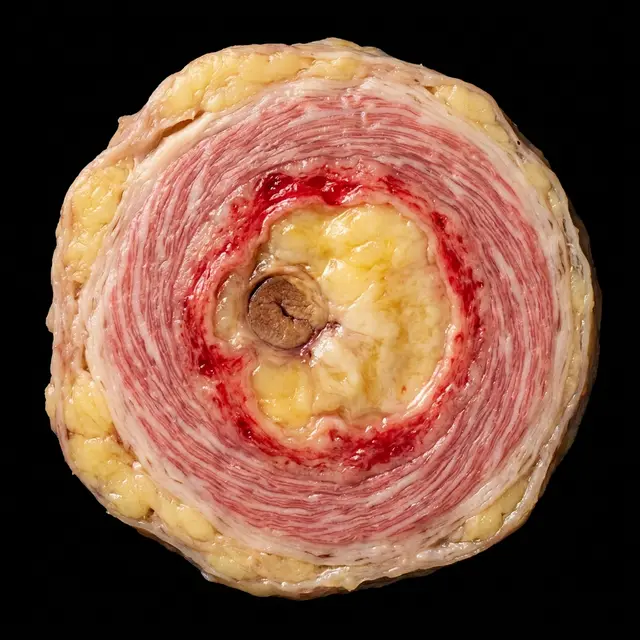
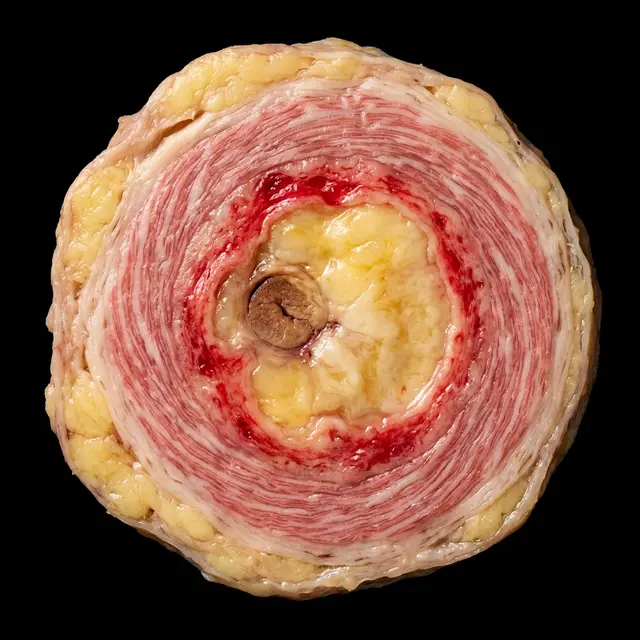
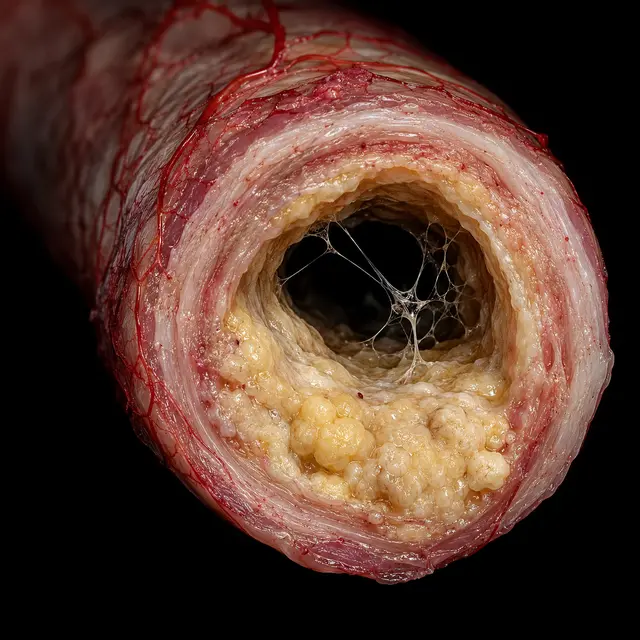
My new doctor told me if I didn't start Atorvastatin within the month, she'd refer me to a cardiologist with a non-compliance note in my chart. She'd been my doctor for nine minutes. She didn't know my mother's name. Dr. Morrison retired in March. She'd been my doctor for 23 years. Knew my history. Knew my mother died at 67. Knew I would rather eat glass than take a statin. "Brenda, your numbers are creeping, but you're active, your weight is stable, and we're watching it closely. Let's keep doing what we're doing." That was the plan. Watch. Adjust. Recheck every six months. Her retirement notice came in a manila envelope. Form letter. "Effective March 31st, my practice will close. Your records have been transferred to Dr. Lisa Patel." Twenty-three years. Gone in a paragraph. My first appointment with Dr. Patel was April 14th. Same building. Same exam room. Same blood pressure cuff on the wall with the faded poster about sodium. Different doctor. She walked in with a laptop open. Mid-thirties. Sat down across from me without looking up. "Mrs. Kessler." She was reading my chart. Scrolling. Her expression didn't change but her scrolling slowed down. "You've been followed for dyslipidemia for how long?" "Dr. Morrison and I were monitoring my cholesterol for about six years." She looked up. "Monitoring." She turned the laptop toward me. My numbers in a column. "2020. Total cholesterol 211. LDL 131. Manageable. 2021. Total 229. LDL 148. Trending upward. 2022. Total 241. LDL 156. 2023. Total 258. LDL 168. And today. Total 263. LDL 172. HDL 38. Triglycerides 211." She closed the laptop halfway. "Five years of worsening lipids with no pharmacotherapy. Your HDL is dangerously low. Your triglycerides are above 200. This is not borderline anymore, Mrs. Kessler." "I've been exercising. I changed my diet two years ago. I cut out processed foods, I walk four miles every morning." "You've been doing the right things and your numbers have gotten worse every single year. That tells me lifestyle modification alone will not be sufficient. I'm prescribing Atorvastatin. 20 milligrams. If you choose not to fill it, I need to document that in your chart as refusal of recommended treatment." The printer behind her hummed. She tore the sheet off and handed it to me. "Six-week follow-up. We'll recheck your panel." She stood up. Left the room. Nine minutes. In the parking lot I sat in my car for twenty minutes before I could turn the key. Called Gary. "The new doctor wants me on a statin." "What? Morrison said you were fine." "Morrison's gone. This one says five years without medication was negligent." He was quiet. I could hear him breathing. "What are you going to do?" "I don't know." That night I lay in bed staring at the ceiling. Gary asleep beside me. The prescription on my nightstand like a dare. Was Morrison wrong all those years? Am I already in trouble and don't know it? My mother's name was Ruth. She taught third grade for 31 years at Garfield Elementary. She could stand in front of 24 eight-year-olds for six hours and make every one of them feel like the only child in the room. She walked two miles every morning before the first bell. She grew tomatoes in the backyard and ate them warm off the vine with salt. She danced in the kitchen when Motown came on the radio. Her doctor put her on Lipitor when she was 58. Total cholesterol 252. LDL 164. He said it was standard protocol for a postmenopausal woman with her numbers. She filled the prescription because she trusted him. She took it every night for nine years without missing a dose. The first thing I noticed was her hands. Mom had always been a knitter. She made blankets for every baby born in our church. Two years into the Lipitor, she couldn't hold the needles for more than fifteen minutes without her fingers cramping. She said they felt wooden. She bought larger needles. Then she stopped knitting altogether and put the basket in the closet. By year four she was napping every afternoon. This was a woman who had never napped in her life. Not once. She used to say rest was for dead people. Now she was asleep on the couch by 2 PM with the TV talking to an empty room. Year six. She forgot my daughter's name at Thanksgiving dinner. Not just the name. She looked at her across the table and said "sweetheart, can you pass the rolls" because the name wasn't there. We all pretended it didn't happen. My daughter was fourteen. She noticed. By year eight Mom didn't leave the house most days. She sat in the kitchen looking out the window at the garden she used to tend. Her doctor said her LDL was 94. He said that number was excellent. He said the medication was protecting her heart. She had a stroke at 67. In the kitchen. Nine years of wooden hands and afternoon naps. Nine years of numbers her doctor called excellent while she stopped being herself. And the medication that was supposed to prevent exactly what happened did not prevent it. I stood in her kitchen after the funeral and looked at the Lipitor bottle still sitting on the counter next to the coffee maker. Half full. I didn't fill Dr. Patel's prescription. Instead I spent the next five months trying everything that wasn't a statin. Fish oil. The expensive kind. Nordic Naturals. 2,000 milligrams a day. Eight weeks. Bloodwork came back. LDL 170. Essentially where I started. Red yeast rice. Six weeks. My stomach burned for the first ten days. The bottle said it was nature's statin. My LDL dropped two points. Two. Then I bought a full stack from a supplement store. CoQ10, magnesium glycinate, garlic extract, omega-3s. The most expensive combination on the shelf. Ten weeks. LDL 166. HDL 39. Three attempts. Five months. Nothing that moved the numbers in a way that mattered. And Dr. Patel's office had called twice asking if I'd filled the prescription. The night before my six-month follow-up I was at the kitchen table at 1 AM. Reading the same supplement forums I'd been reading for months. The same threads about fish oil dosing and berberine timing. The same dead ends in different packaging. Then I changed the search. I'd been searching the same way for months. How to lower cholesterol. Lower LDL naturally. What I should have been asking was why mine kept climbing while I did everything they told me to do. And I started with what I already knew. Dr. Patel was right. 172 LDL is too high. I wasn't arguing with the number. But I was eating cleaner than I'd eaten in my entire life. Walking four miles every morning. I'd taken three different supplements for five months. And my LDL went up. Not down. Not sideways. Up. Every year for five years. If cholesterol was only about diet and lifestyle, my numbers should have been dropping. I was doing more than most people I know. And the number kept climbing like I was doing nothing at all. Which means something else was happening. Something my diet wasn't reaching. Something my supplements weren't touching. I kept reading. Your body makes LDL cholesterol on purpose. It's not a defect. It's a transport particle. It carries essential fats to your cells. Your brain runs on it. This is a system doing what it's supposed to do. The problem isn't that your body makes too much of it. The problem is that something changes your LDL after it enters your bloodstream. Changes it from a normal particle into something your body can't clear. Cholesterol becomes dangerous when it gets oxidized. Oxidized LDL is sticky. Inflammatory. Your immune system stops recognizing it as your own. White blood cells attack it, swell into foam cells, and embed in the artery wall. That's how plaque forms. So the question I should have been asking from the beginning wasn't how do I lower my cholesterol number. It was what is oxidizing my LDL in the first place. That's when I read about fibrin. A sticky protein that builds up on your artery walls. Your body uses fibrin when it needs to seal a wound. It helps form the scab that stops a cut from bleeding. Once the wound heals, your body is supposed to clear that fibrin away. Our body has a cleanup system for fibrin. It converts plasminogen into plasmin, the enzyme that breaks fibrin down. Before menopause, that system usually keeps up. Fibrin gets laid down, plasmin clears it, and nothing keeps building up. After estrogen drops, that cleanup system can fall behind. Fibrin builds on the artery walls faster than the body can clear it. And when fibrin accumulates on your artery walls, it oxidizes the LDL passing through. That is the thing I didn't know. That is what was driving my numbers up for five years while I did everything right and none of it mattered enough. The fibrin doesn't just oxidize your LDL. It traps it. Once cholesterol gets oxidized and caught in the fibrin buildup, it can't wash away. It hardens in place. Year after year. And the more fibrin that accumulates, the more inflammation it drives in the artery wall. The more inflamed the wall, the more unstable the plaque sitting on it becomes. That is why my numbers kept getting worse. The fibrin was oxidizing my LDL and trapping it against the wall. I could have walked ten miles a day and eaten perfectly for the rest of my life. If the fibrin stays, the numbers keep climbing. Statins lower your LDL count. That part is real, and it matters. But they don't dissolve the fibrin. The fibrin keeps oxidizing whatever LDL comes through. Keeps trapping it. Keeps inflaming the wall. That's why people on statins with excellent numbers still have cardiac events. When you remove fibrin from the artery walls, the whole cycle breaks. Less oxidation. Less trapping. Less inflammation. Your cholesterol comes down because there's less damaging it. The plaque that's already there has less to build on. I spent the next two hours searching for one thing. How do you dissolve fibrin. Most of the results were about preventing clots. But I wasn't looking for another blood thinner. I was looking for something that could help clear the old fibrin already sitting on the artery wall. That's when one enzyme kept coming up. It came from natto, a fermented Japanese food people have eaten for over a thousand years. The enzyme is called nattokinase. It helps convert plasminogen into plasmin, the active enzyme that breaks down old fibrin your body has already marked for removal. I found a study that followed 1,062 people taking nattokinase every day for a year. What it showed was not what I expected from an enzyme. 36 percent reduction in plaque. 21.7 percent reduction in arterial wall thickness. LDL down 18 percent. HDL up 16 percent. Triglycerides down 15.7 percent. Then I looked at the dose. The study used 10,800 FU per day. I checked the bottles I'd seen online. 2,000 FU. Some were 4,000. Not even close to what was used in the research The product I found referenced in research-oriented forums was Circulene. 5,000 FU per capsule. Two capsules per serving. 10,000 FU. Clinically aligned. Third-party tested. Non-GMO. One active ingredient from fermented natto. Made in the US. I ordered it that night. Week one. Nothing obvious yet. But I woke up on Thursday without the low-grade stiffness in my shoulders and fingers that had become so constant I'd stopped noticing it. Week two. The afternoon brain fog wasn't as bad. That was the first thing I noticed. I still had moments where I felt tired, but I wasn't completely useless by 3 p.m. like I had been. I could read something once and actually remember it Week three. I carried two bags of groceries up from the basement and stood at the top of the stairs realizing I wasn't out of breath. I honestly couldn't remember the last time that happened Week eight. Bloodwork on a Monday morning. Results came back Wednesday. I checked them three times. Total cholesterol: 224. Down from 263. LDL: 143. Down from 172. HDL: 47. Up from 38. Triglycerides: 158. Down from 211. Every marker was moving in the right direction, and I still hadn't started the atorvastatin. Week twelve. Follow-up with Dr. Patel. The nurse wrapped the cuff. 118 over 76. She typed it in and left. Dr. Patel walked in. Opened my chart. Scrolled to the new panel. She stopped. "Total cholesterol 219. LDL 136. HDL 49. Triglycerides 146." She looked at the old results. Then the new ones. Then at me. "You started the Atorvastatin?" "No." Long pause. She turned the laptop back toward herself and read the numbers again. "These numbers don't make sense without the Atorvastatin." I told her about the fibrin. The plasminogen system. The study with the thousand people and the plaque reduction. I probably wasn't explaining it well but she let me get through it. "I'm not going to comment on what you're taking. It's not something I recommend and I haven't reviewed the research." But your panel is better than it's been on this chart. I'll hold the Atorvastatin for now. Recheck in twelve weeks. If the panel regresses, we restart that conversation." Then she said something I wasn't expecting. "I want to look at the wall. With a five-year lipid trajectory like yours, the blood doesn't tell me what's happened to the artery. I'm ordering a carotid ultrasound." I didn't argue. I wanted to see the wall too. The scan was the following Tuesday. The technician ran the probe along both sides of my neck for fifteen minutes and didn't say a word. Friday the receptionist called and said Dr. Patel wanted me in to review the report. She pulled it up on the monitor. "Right carotid wall thickness: 0.72 millimeters. Left: 0.74. Plaque minimal on both sides." She kept looking at the screen. "With your lipid history I expected to see at least moderate plaque on one side. This is normal range for your age." She closed the file. "I'm not starting you on a statin today. We'll recheck the panel in six months." I walked out and sat in my car. Called Gary. "Total cholesterol 219. LDL 136." He couldn't believe it. I told him she held off on the prescription and said I didn't have to start it yet "Honey. That's huge" If any of this sounds familiar, it's because there are a lot of us in the same spot. Cholesterol climbing. Doctor saying statin. A voice in the back of your head saying there has to be something else. I wasted five months before I found what actually worked. That's why I'm writing this. My numbers went from 263 total cholesterol and 172 LDL to 219 and 136. My HDL moved for the first time in six years. My doctor monitors me quarterly now. No statin. Give it ninety days. Get your bloodwork before you start so you have something to compare it to. Then recheck at the end and try to use the same lab both times. Then bring the numbers to your next appointment. That's the only thing that changed my doctor's mind https://circulene.com/products/nattokinase - Brenda P.S. After I posted a shorter version of this in a women's heart health group, a woman messaged me directly. She said her mother had been on Atorvastatin for twelve years with textbook numbers, then had a heart attack at 71. She'd been refusing the same prescription for almost two years. Eating clean. Walking every morning. Watching her own LDL climb anyway. She'd never heard of nattokinase before reading my post. She ordered Circulene that night. She told me she'd send me her bloodwork in ninety days. https://circulene.com/products/nattokinase
Performance Signals
- Status
- Still running
- Time Running
- 68 days
- Active Period
- Jul 24, 2026 → Today
- First Seen
- Sep 30, 2026
Creative & Links
- Meta post ID
- 2412022949622490
- Meta page ID
- 1142549175599299
- Format
- Image
- Placements
- Facebook, Instagram, Audience Network, Messenger, WhatsApp, Threads
- Country
- 🇨🇦 Canada
- Landing Page
- circulene.com/products/nattokinase
- Original Ad
- Open in Meta Ad Library
More from Circulene
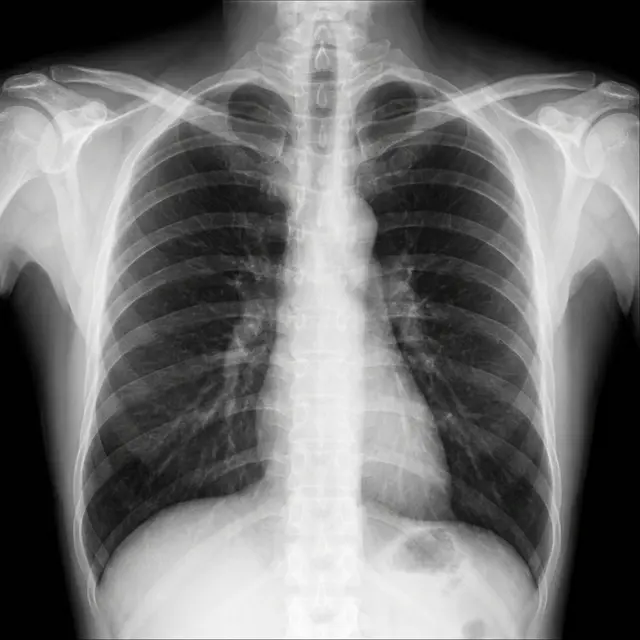
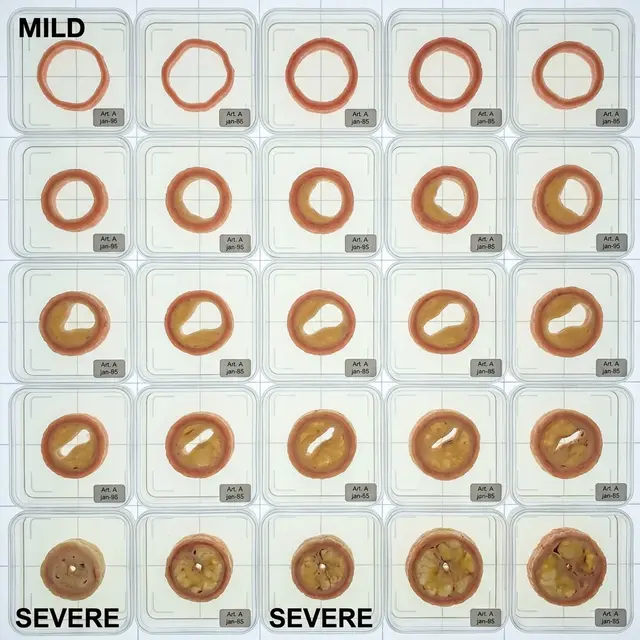



Circulene Nattokinase 10,000 FU
circulene.comCirculene
Shop Infos
- Created
- Feb 6, 2026 · 8 months
- Category
- Nutrition › Vitamins & Supplements › Health
Search every indexed Meta ad by niche, format, country and run time, save creatives to boards and track the brands behind them — free, no card.