Stepprs ad: Laura Bennet

Stepprs
1 active ads🇺🇸
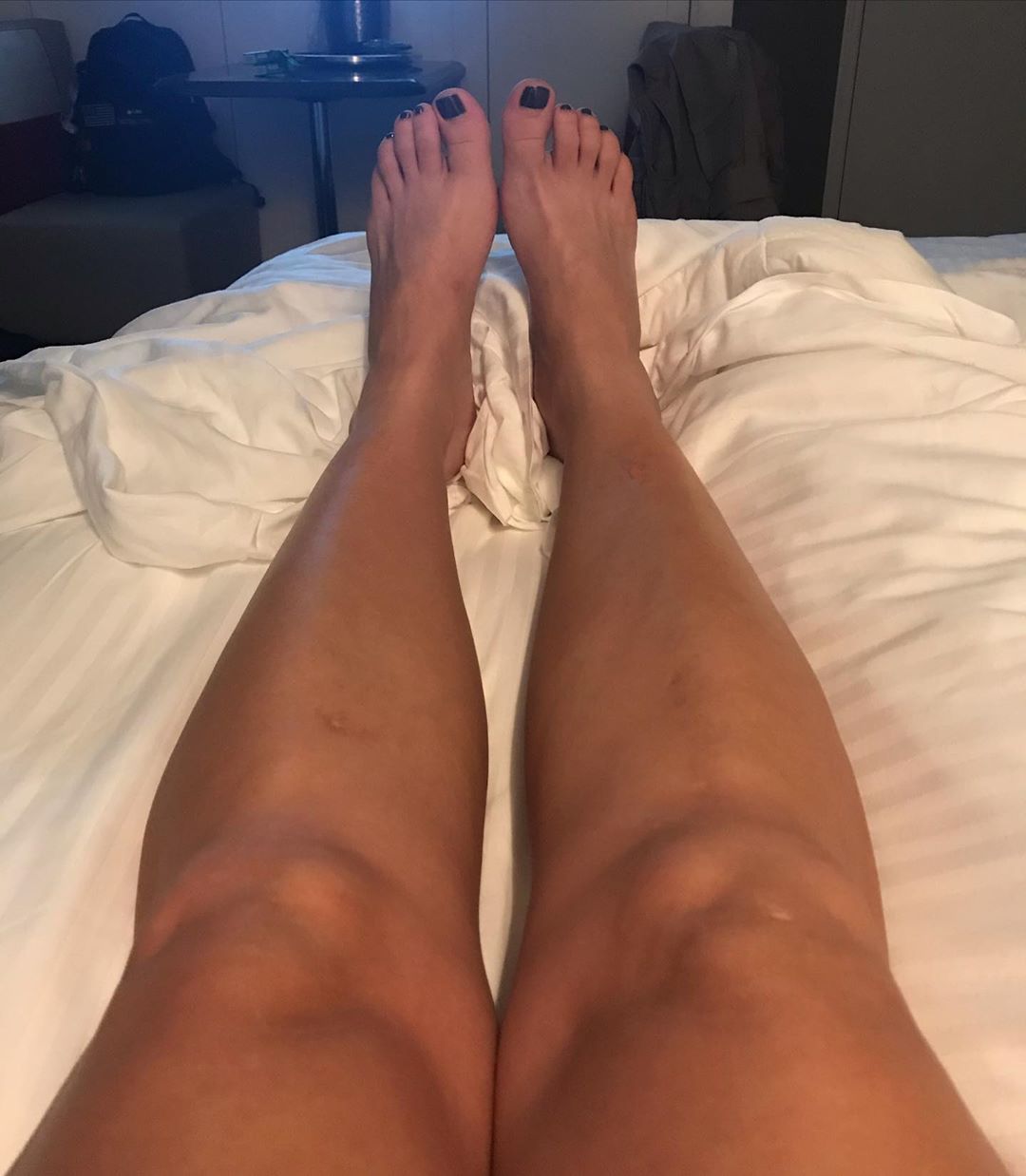
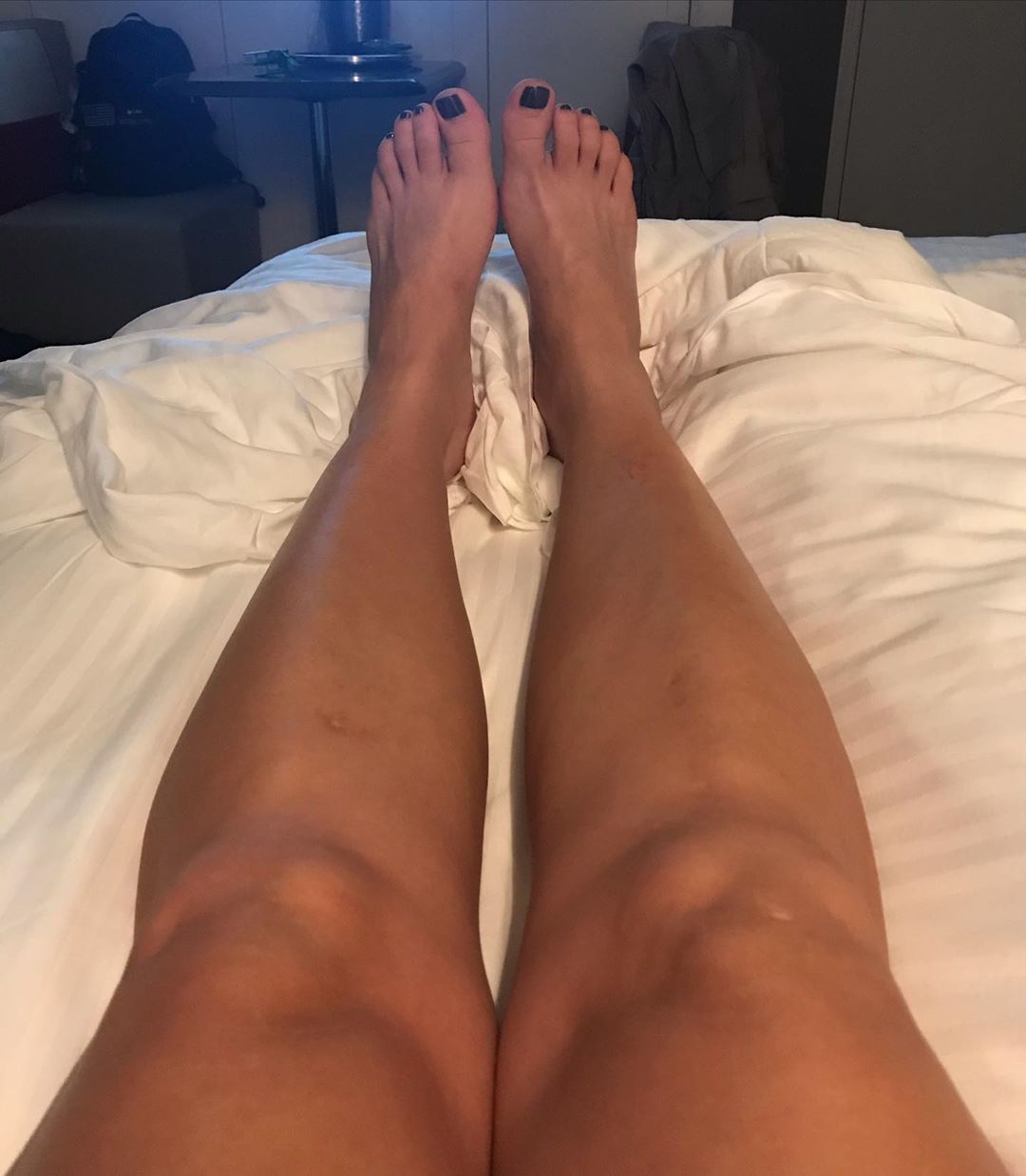
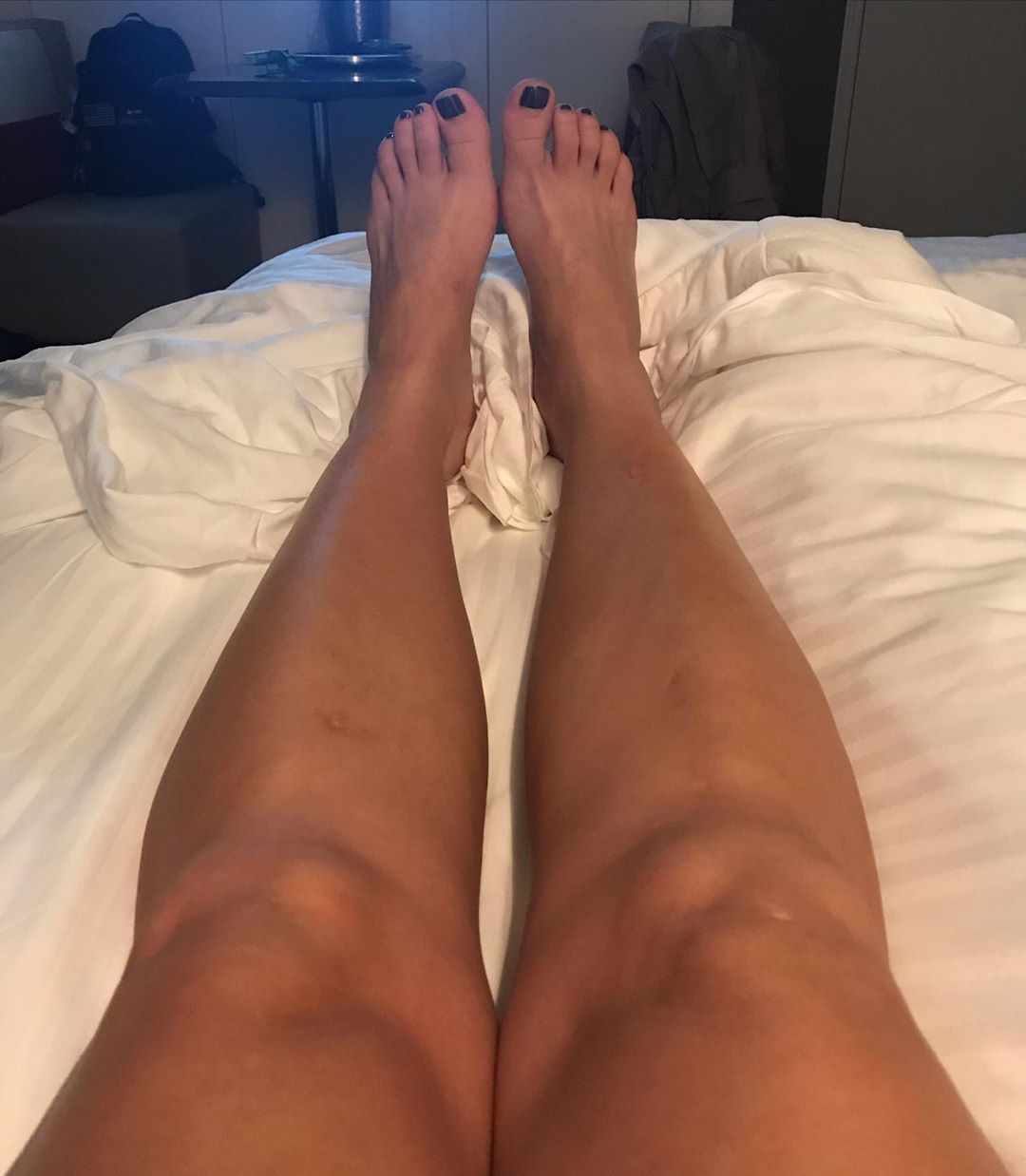
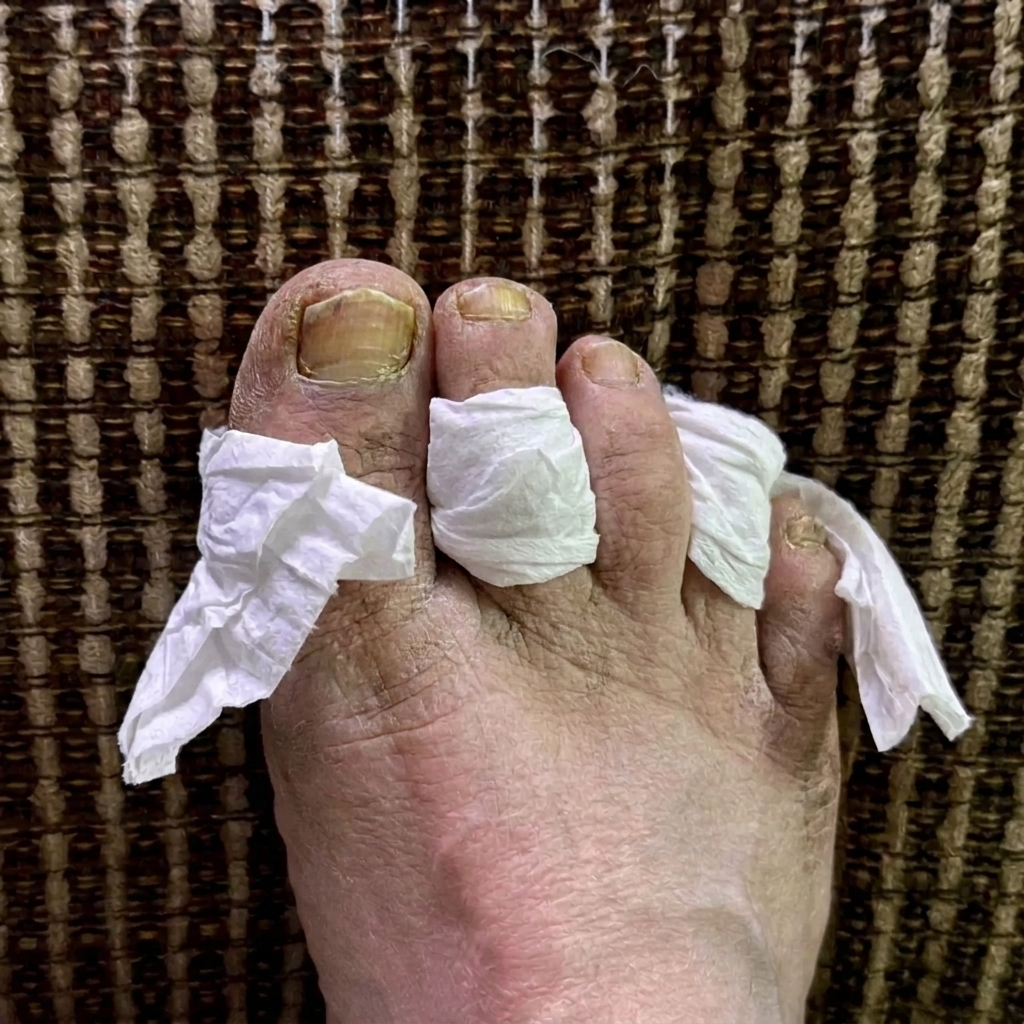
After four years of living with what every doctor called plantar fasciitis, a woman visiting her mother at my facility asked me a question that no doctor had ever thought to ask in over four years of treating my pain. Her question, and what she explained after I answered, changed everything I believed about why my feet kept getting worse. I'm sharing this because I spent four years doing everything right and still waking up every morning dreading that first step. If you've been using gel insoles, orthotics, cortisone shots, or anything else they've told you to try and your heels are still breaking down, this might be the most important thing you read this year. I'm 42. I've worked in senior care for 18 years. Lifting residents. Turning bodies. Standing on concrete floors for ten, sometimes twelve hours straight. My body has earned every ache it carries. I was diagnosed with plantar fasciitis at 38. It started in my left heel. A sharp, stabbing pain that hit the moment weight landed on it every morning. My podiatrist ran imaging, saw thickening in the plantar fascia, and confirmed inflammation at the attachment point. He looked at the results and said "classic plantar fasciitis. Very common in people who spend a lot of time on their feet." Then he gave me a sheet of stretches and told me to come back in three months. That was four years ago. And from that day forward, I tried everything they put in front of me. Every insole. Every injection. Every piece of advice. I never gave up. I just kept believing the next thing would be the one that finally worked. It never was. It started with pharmacy insoles. Gel heel cups. Cushioned arch supports. They felt supportive for the first hour. By afternoon they were flat. By the end of the week they were cardboard. I went through pair after pair after pair, always thinking maybe this brand would be different. Within a year, my podiatrist added cortisone shots. "To get the inflammation under control faster," she said. The relief lasted about six weeks. Then the pain came back harder than before, like my heel was angry I'd tried to trick it. So we did it again. And again. Then came the custom orthotics conversation. $600 for a molded pair. I wore them faithfully. They helped for a while, maybe a few months. Then they didn't. I spent over $180 a month on treatments on top of all of it. Compression socks. Massage rollers. Frozen water bottles I rolled under my arch every evening because someone on a forum swore by them. A shockwave therapy device I set up in my bedroom and used every night for three months. Every single one promised relief. But none of it worked long term. When the orthotics stopped working and the supplements failed, my podiatrist sent me for more cortisone shots in both heels. The relief lasted about six weeks. Then the pain came back harder than before. Every single time I went back, I told her the same thing. "I'm doing everything you told me. I don't understand why it keeps getting worse." And every single time, she gave me the same answer. "Plantar fasciitis is chronic. We'll manage the inflammation as best we can." Manage. That word started to feel like a life sentence. Like I was supposed to just accept that every year would be a little worse than the one before, and there was nothing anyone could do except hand me another treatment or increase the dose. And for a long time, I did accept it. Because that's exactly what started happening. In the beginning it was small things. Taking longer to get moving in the morning. Needing a few extra minutes before my heel would cooperate enough to walk normally. Then it was the stairs. I started planning my shifts around avoiding them. I'd take the long way around the facility just to skip one flight. Then the stiffness spread. It crept in so slowly I didn't even notice, until one morning the pain wasn't just in my left heel anymore. It was in my right one too. I stood there at the bathroom sink, running both feet under hot water, waiting for the tissue to loosen up enough to walk. That became my morning routine. Twenty minutes of hot water before I could begin my day. I switched to slip-on shoes because lacing anything up tight made the pain worse. I stopped taking the stairs at work. I mapped out every route I walked based on how much concrete I'd have to cover and where I could sit down. I stopped going on long walks with my sister. Stopped standing at any event that didn't have a chair nearby. Stopped volunteering for anything at work that required me to be on my feet for more than a couple of hours without a break. And I was exhausted. Not just physically tired from work. The kind of exhausted that comes from managing pain all day, every day, and never fully recovering. Some mornings I'd lie there for a few minutes before getting up, just dreading that first step. But the thing that broke me was the day my niece asked me to come outside and kick a ball around with her. She was four. She had her little soccer ball in the backyard and she looked up at me and said, "Auntie, come play." I tried. I walked out onto the grass and kicked the ball once. The impact shot straight up through my heel and into my ankle. I stopped. I stood there smiling while she ran after it, and I just stood there. Couldn't chase her. Couldn't run. Couldn't even walk fast without bracing for the pain. She kicked it back to me. I kicked it again. Same thing. I stood there in my own sister's backyard, 42 years old, unable to play with a four-year-old for five minutes. That night I cried in the shower where nobody could hear me. Not because of the pain. Because I saw my future. Getting worse every year. Losing more every year. Watching my world shrink until I was the auntie who always had to sit down, who always had an excuse, who was slowly disappearing from her own life. I started to believe that was just what plantar fasciitis does. That my heel had broken down and there was nothing I could do except keep managing the inflammation with stronger and stronger treatments. Every woman I knew with chronic foot pain seemed to confirm it. More orthotics. Higher doses. New treatments when the old ones stopped working. We all just pushed through. It was expected. And I probably would have kept believing that for the rest of my life, if it wasn't for a conversation I never expected to have. About four months ago, a woman named Claire started coming to the facility every Tuesday and Thursday to visit her mother, one of our residents. She was in her early 60s. Warm. Sharp. The kind of person who notices things. I didn't know anything about her at first. She was just a family member. We'd say hello when she signed in. Small talk in the hallway. That was it. But one afternoon she was sitting in the hallway waiting while we finished getting her mother ready for a visit. I came around the corner and I must have been wincing worse than usual because she looked right at my feet and then up at me and said, "How long has that been going on?" I laughed it off. "Oh, years. It's just my plantar fasciitis." She didn't laugh. "I was a biomechanics specialist for 28 years," she said. "I watched hundreds of women just like you get told the exact same thing. That their fascia was inflamed. That they'd need to manage it for life. And I watched almost every single one of them get worse because nobody ever explained what was actually happening inside their heel." I stopped walking. "What do you mean?" She looked at me for a moment. Then she said, "Sit down with me for a minute. I want to ask you something." I sat down across from her. "How many things have you tried?" she asked. "For the pain." I almost laughed. "Everything. Gel insoles for years. Custom orthotics. Cortisone shots twice a year. Night splints. Shockwave therapy. Compression socks. Massage rollers. Physical therapy twice. You name it, I've tried it." She nodded slowly. Like she'd heard this exact list a hundred times before. "And nothing worked long term." "No," I said. "Has anyone ever explained to you why none of it worked? Not just that it didn't. But why." Nobody had. Not in four years. Every doctor just moved me to the next treatment on the list. "Your heel has a shock absorption system," she said. "Every step you take sends a force equal to one and a half times your body weight directly into your heel. Your body was designed to handle that. There's a fat pad in your heel, natural cushioning you were born with, that absorbs that force before it ever reaches the plantar fascia. When that system is working, the force gets distributed across your heel, your arch, the ball of your foot. Your fascia never has to handle more than its share." "But years of standing on concrete, combined with the natural thinning of that fat pad as you age, means that system starts breaking down. The fat pad loses its resilience. And every single step compounds the damage to the fascia that's now absorbing impact it was never designed to handle alone." I was listening. Really listening. Because in four years, no doctor had ever said anything like this to me. "When your heel loses its shock absorption, your fascia tears. Micro-tears at first. Then chronic inflammation. Then the thickening you saw on the imaging. And here's the part nobody tells you. The insoles you've been using, every gel insole, every pharmacy arch support, they compress and go flat within days. You're walking on a thin layer of nothing within a week. Your fascia absorbs every pound of impact it was never designed to handle. And every treatment you've been given just quiets the inflammation temporarily while the damage keeps happening with every single step." "And the exhaustion?" I asked. "That's your body in chronic emergency mode," she said. "When you're managing pain all day, every day, your nervous system is burning energy constantly. You're exhausted because your body is working overtime on a problem it can't solve. The pain is just one symptom. The root cause is the same. Your heel has lost its ability to protect the tissue underneath it." I sat there staring at her. "So my fascia isn't just worn out?" She leaned forward. "Your fascia is being abandoned. Every step. And until you fix the shock absorption underneath it, nothing else is going to work long term. Not the cortisone. Not the orthotics. Not the stretches. None of it. Those treatments just manage the inflammation after the damage is done. They don't fix why the damage keeps happening." She paused. "I know, because I went through the same thing myself. 28 years of biomechanics work. On my feet every day. My heels started falling apart in my late 40s. The stabbing pain every morning. The way it spread into my arch. The exhaustion from managing it all day. I tried everything I used to watch my patients try. None of it worked for me either. Not until I addressed this." That night I couldn't stop thinking about what she said. Everything she described matched. The pain that never fully went away. The inflammation that kept coming back. The way every treatment only suppressed the symptoms for a while before my body found a way around it. The next time she came to visit her mother, I pulled her aside. "Okay. Let's say you're right. What do I actually do?" "Most insoles don't address your shock absorption system," she said. "Gel insoles add softness temporarily. Arch supports prop the arch up slightly. But if the foam goes flat within a week, your fascia is right back to absorbing everything. It's like patching a road while the trucks keep driving over it. And every cortisone shot you've had just forces the inflammation to quiet down without fixing why the fascia keeps getting damaged in the first place." "What you need is a foam that actually holds up under repeated impact. Not gel. Not cheap EVA. A shock-absorbing EVA that compresses under load and springs back, the same way your heel fat pad is supposed to. Combined with a deep heel cup that holds your heel stable so force distributes evenly instead of concentrating at the attachment point. And arch support that actually redistributes the load across the whole foot. When the shock absorption is real, the force never reaches the fascia. The fascia finally gets a break. And tissue that gets a break can heal." "The brand I used is called Stepprs," she said. "Most insoles are already failing before you notice. The foam compresses and dies within days and you're walking on nothing. Stepprs engineers the foam specifically to hold up under the forces a real foot generates across a real day. That's the one that worked for me." I looked it up that night. Clinical studies showed Stepprs reduced foot pain in 95% of users. After four years of treatments that didn't work, what was one more try? I ordered a pair that same night. When they arrived, I put them in my work shoes the next morning. I told myself not to expect anything. I'd been disappointed too many times for that. Day two. I took my first step out of bed. The stabbing that usually hit the moment weight landed on my heel was quieter. Not gone. But different. Less like a nail. More like a bruise. I stood there in the bedroom, just standing, waiting for the pain to spike the way it always did. It didn't. By the end of week one, I walked from the car to the facility without thinking about my feet once. Not once. I hadn't done that in years. I got to the front door and stopped. Stood there for a second. Realized what had just happened. Then came day twelve. I took the stairs. Both flights. Without holding the railing. Without bracing for the impact on my heel at each step. I stood at the top and just stood there. My colleague walked past. "You okay?" "Yeah," I said. "More than okay." Over the next few weeks, my morning routine changed completely. The hot water ritual, the twenty minutes of waiting for my feet to loosen up, it just stopped being necessary. I'd wake up, stand up, and walk. Like a normal person. The afternoon aching faded. I stopped limping by the end of my shift. I stopped planning my route through the facility around the stairs. By week three, I went to my niece's soccer game. I stood on the sideline for an hour. I cheered. I walked up and down the touchline following the play. I didn't sit down once. I didn't think about my feet once. Afterward, she ran over to me and said, "Auntie, did you see my goal?" I picked her up. Swung her around. Put her down. And walked back to the car without wincing. My sister was watching. She didn't say anything. She just looked at me for a long moment and then looked away. I think she was trying not to cry. Three months later. My morning routine doesn't start with hot water and waiting anymore. It starts with putting my Stepprs in my shoes. That's it. I went on a walk with my sister last weekend. Forty-five minutes. On uneven ground. And I didn't think about my heels once. Didn't plan around them. Didn't make an excuse to stay home. I just went. I'm in my yard again. Kneeling in the dirt. Planting tomatoes. Pulling weeds. My knees don't scream at me. My feet don't punish me for it the next morning. I get outside with my niece whenever she asks. Every single time. And I keep up with her. That might sound like a small thing. It isn't. There is a version of me from six months ago who would have smiled and said "Auntie's feet are sore, sweetie, maybe later." That version was quietly, slowly, losing her life to this. I still see Claire every week when she visits her mother. Last Tuesday she watched me take the stairs two at a time to catch a resident who needed help. She just smiled. She knew. I need to be clear. This isn't a cure. And it's not a replacement for your doctor. But it addresses what four years of treatments never touched. The shock absorption. The structural force problem. The reason your fascia keeps getting damaged with every step. The reason nothing else ever worked long term. Stepprs uses a shock-absorbing EVA foam engineered to not go flat. Deep heel cup. Built-in arch support. Massage points for circulation. Trimmable to fit any shoe. That's the difference between an insole that compresses and dies within a week and one that actually rebuilds the mechanical environment your fascia needs to stop being torn apart with every step. Right now, they're running a promotion with significant savings. But Stepprs makes everything in controlled batches to preserve the quality of the foam. When they sell out, it's usually weeks before the next batch is ready. 90 days to try it. If nothing changes, full refund. No questions asked. But if it works? If you wake up on day two and that first step off the bed is quieter than it's been in years? If by week one you walk from the car to wherever you're going without thinking about your feet once? If a month from now you're taking the stairs again, standing at sidelines, finishing your shift without planning every step around the pain? If you're kneeling in the garden and getting back up on your own and going for walks and living without tracking every surface you're about to step on? You'll wish you started four years ago. I know I do. 👉 https://stepprs.com/products/massage The person you used to be is still in there. You're just waiting for your feet to catch up.
Performance Signals
- Status
- Running at last crawl (Jun 2, 2026)
- Time Running
- 46 days
- Active Period
- Apr 17, 2026 → Jun 2, 2026
- Advertiser live ads
- 1
- First Seen
- Jun 2, 2026
Creative & Links
- Meta post ID
- 1672907764147596
- Meta page ID
- 906801832526130
- Format
- Image
- Placements
- Facebook, Instagram, Audience Network, Messenger, Threads
- Country
- 🇺🇸 United States
- Landing Page
- stepprs.com/products/massage
- Original Ad
- Open in Meta Ad Library
More from Stepprs
Stepprs
stepprs.comDiscover Stepprs – the ultimate solution for enhanced comfort and performance. Our innovative insoles are designed to provide optimal support and cushioning, ensuring a perfect fit for every step. Try Stepprs today and step into a world of unmatched comfort and performance! Shop now!
Shop Infos
- Created
- Feb 2, 2024 · 2y 7m
- Category
- Finance
- Live ads
- 1
Search every indexed Meta ad by niche, format, country and run time, save creatives to boards and track the brands behind them — free, no card.