Stepprs ad: Laura Bennet

Stepprs
1 active ads🇺🇸
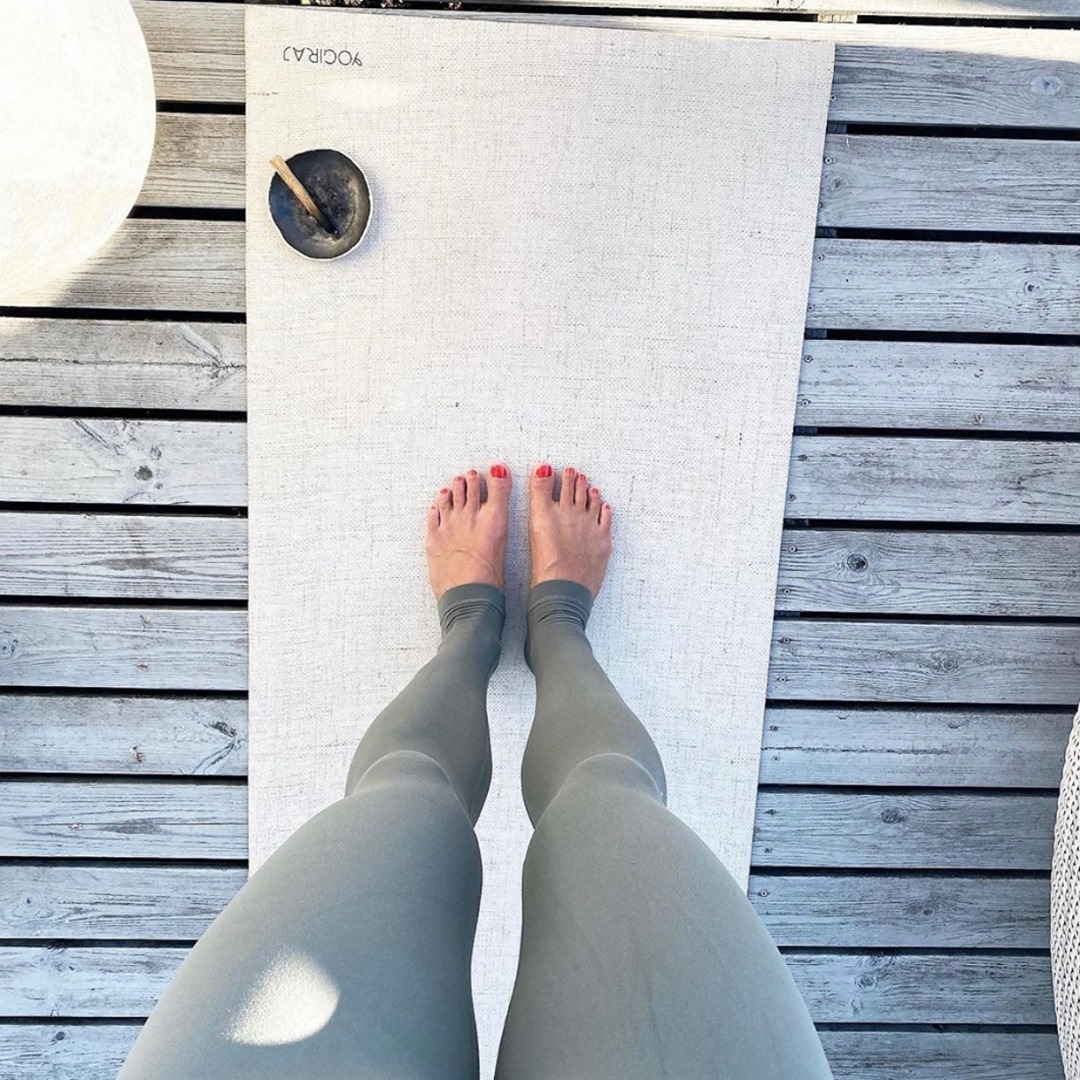
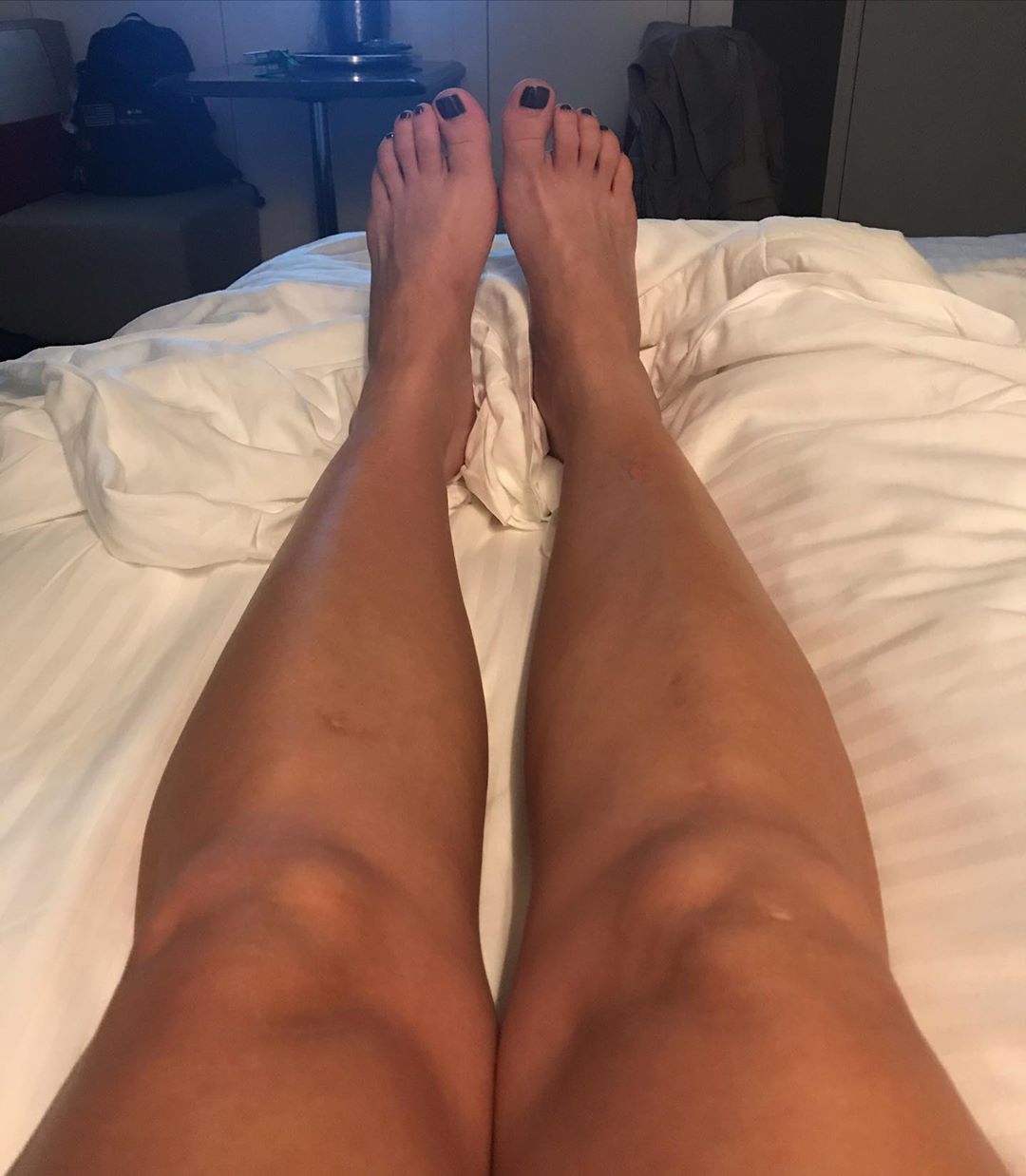
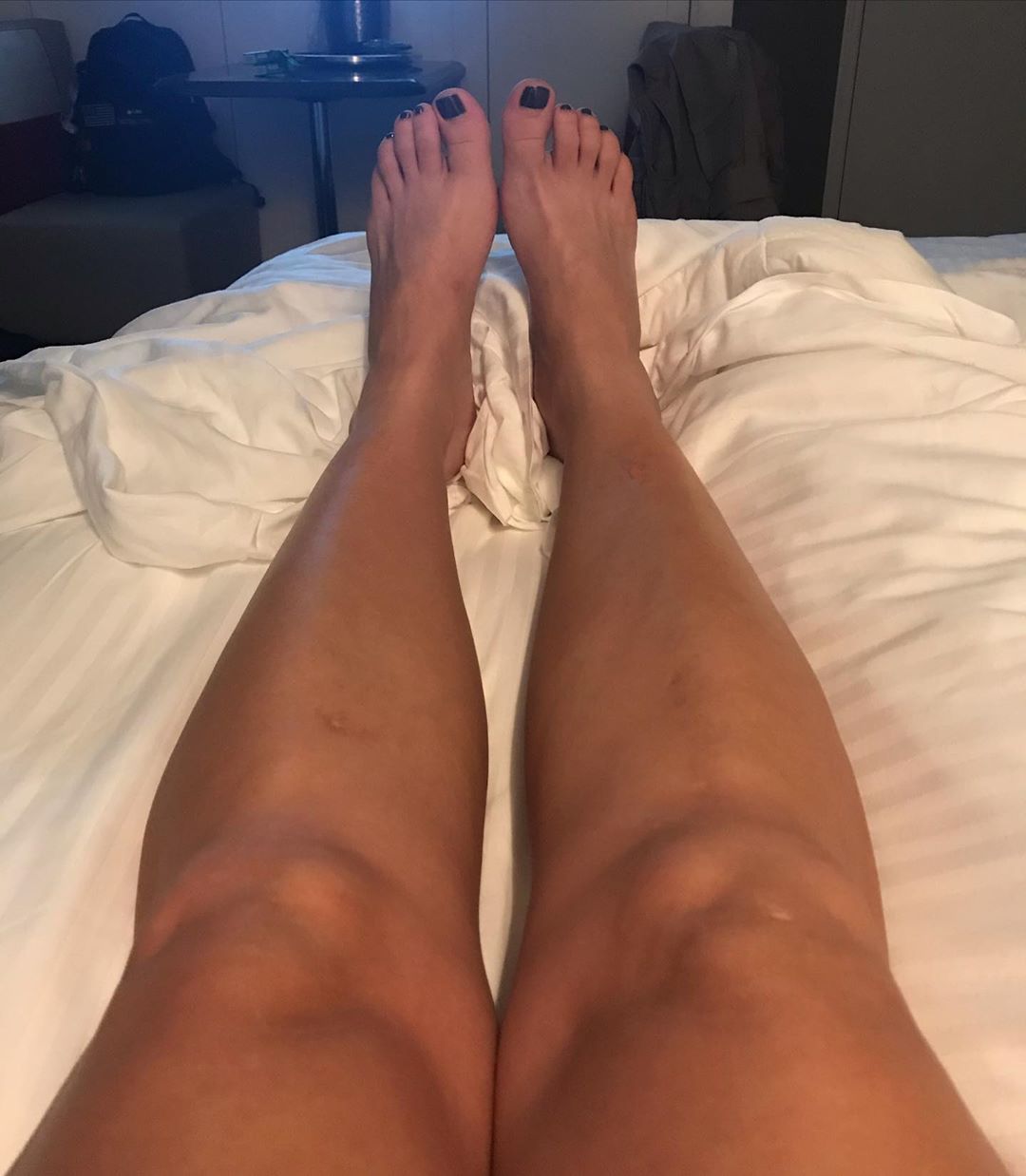
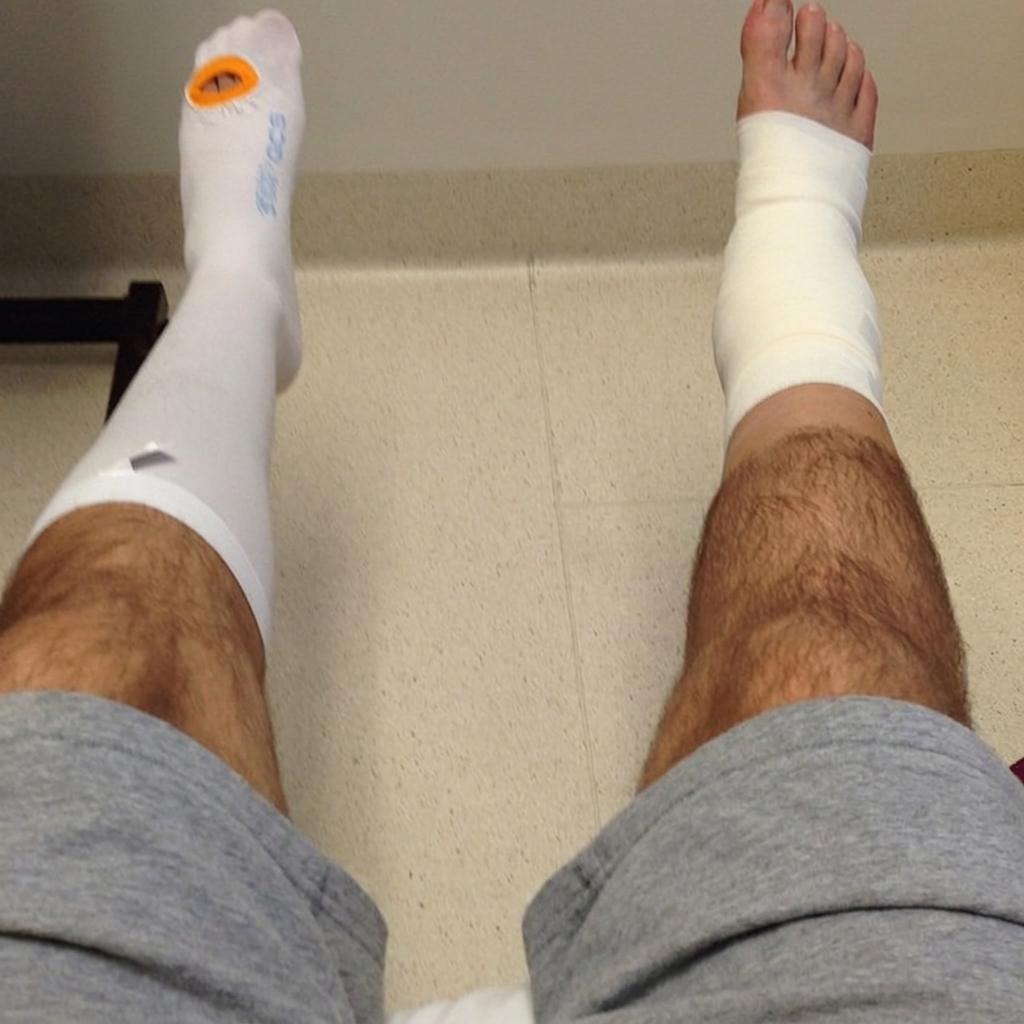
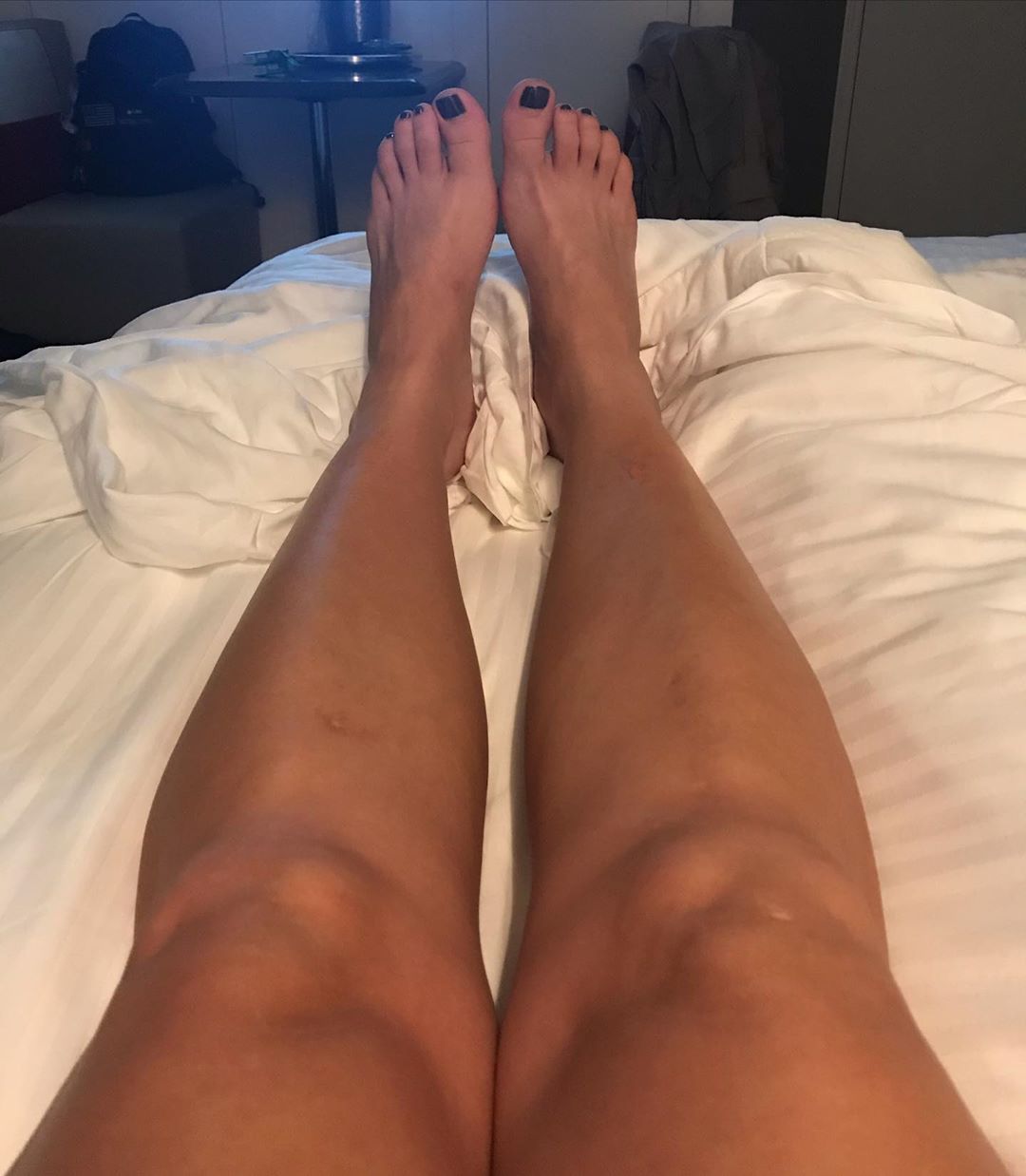
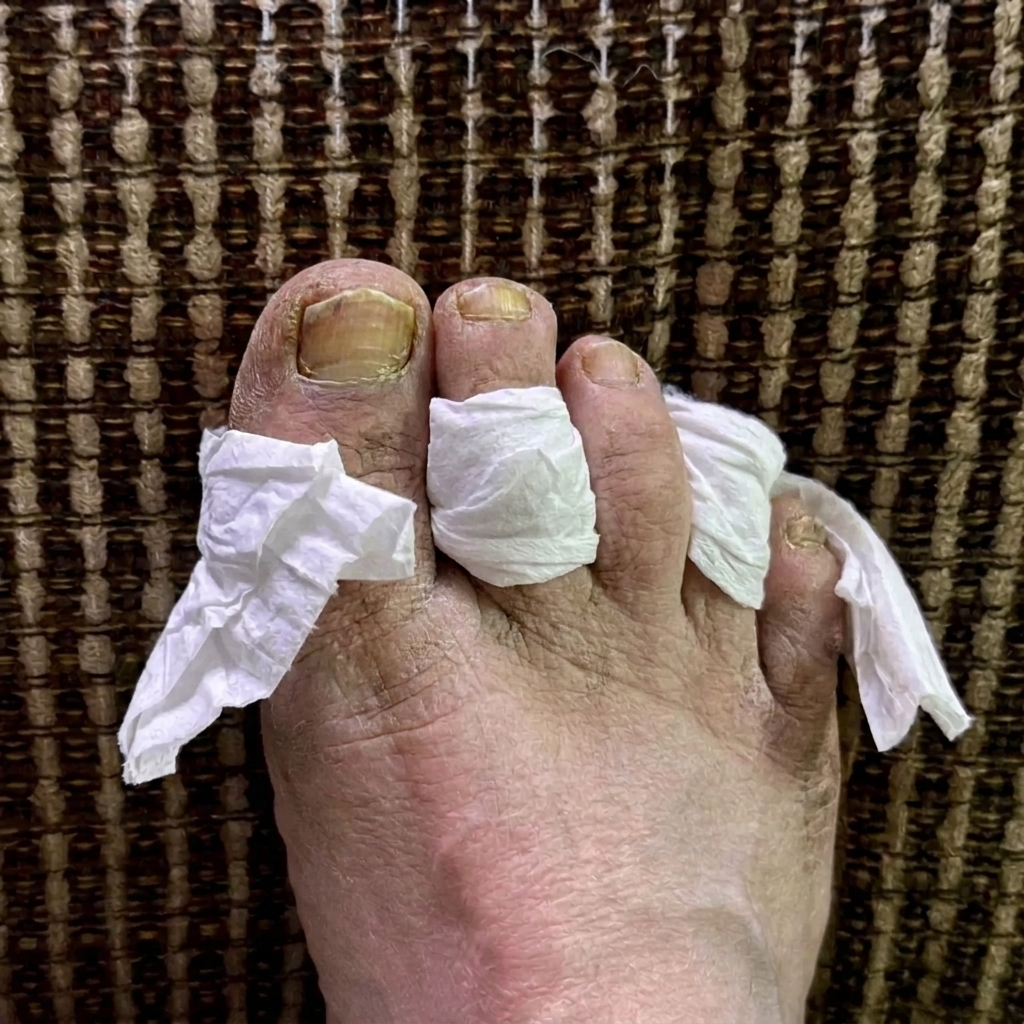
I was told my plantar fasciitis was permanent at 38. I'm 42 now. Turns out my heel wasn't actually broken. It was being crushed from the inside out. For four years, I "managed" a condition nobody ever actually explained to me. Four years of gel insoles from the pharmacy that felt fine for the first hour and did absolutely nothing when the stabbing pain woke me up before my alarm. Four years of night splints that kept my foot stretched while I slept and wore off the moment I took my first step on the floor. Four years of stretching routines, calf raises, towel scrunches, every combination the internet recommended, done faithfully every single morning with no change. Four years of cortisone shots at the clinical dose, twice a year, for months of temporary relief at a time. Four years of expensive orthotic inserts that felt supportive for exactly as long as I wore them and accomplished nothing the moment I switched shoes. Four years of podiatrists who looked at my feet, ran their tests, nodded slowly, and handed me printed handouts about "lifestyle modifications" that had nothing to do with what was actually happening inside my heel. I did everything they asked. I cut out running completely. Two full years without a single mile, because every article said impact worsens plantar fasciitis. I walked every day, even when my feet felt like I was stepping on broken glass and hot coals at the same time. I spent over $180 a month on treatments. Compression socks. Massage rollers. Frozen water bottles I rolled under my arch every evening because someone on a forum swore by them. Expensive orthotic inserts with fancy labels and long feature lists that added up to nothing. When that didn't stop the progression, they sent me to a sports medicine specialist. He ran a series of tests on the fascia and the arch structure in my feet. Afterward he sat down across from me and said the damage was real, it was progressing, and it was consistent with everything I'd been describing for years. More tests after that. Your plantar fascia is thickening, they told me. Which sounded serious but still explained nothing about what to actually do about it. Imaging ruled out the obvious causes. "We don't always find a clear mechanical reason for this," my specialist said. "Sometimes the body just does this. Very common after 35." He mentioned custom orthotics. Said it was the standard of care. That it would help with the heel pain and the morning stiffness. I told him I'd think about it. I'd done my research. I knew what custom orthotics did to people over time. The dependency that settled in and never fully lifted. The way your feet stopped doing any work on their own. The cost that climbed, $400, $600, $800 for a new pair every year. And the reality. The way you became locked into specific shoes. The way stopping them became its own ordeal. I wasn't ready for that. Not yet. Not if there was anything else. So I kept trying. I bought a TENS unit. Used it twice a day for six weeks. The stimulation distracted from the pain while the pads were on. The moment I took them off, everything came back. I tried physical therapy. Eight sessions. My therapist was kind and clearly believed in what she was doing. The morning stiffness was unchanged. I ordered a shockwave therapy device. Set it up in my bedroom. Used it every evening for three months. Spent $400 on equipment that now collects dust in my closet. I tried ice bath soaks for my feet. Every morning. The cold would temporarily quiet the burning. Then I'd dry my feet off and within twenty minutes the stabbing would be back, angrier than before. Nothing stopped the progression. That's the part that broke me, more than the pain itself. The stabbing, the burning, the electric ache that fired up my heel without warning, those were bad enough. But I could have lived with a stable level of bad. What I couldn't live with was watching it spread. It had started in my left heel. A small patch of soreness that my first doctor waved off as overuse. By year two it had moved into the arch. By year three, my entire foot, heel to ball, was involved. By year four, it was creeping into my right foot too. And I couldn't trust my footing anymore. Not reliably. Hard floors that should have felt manageable felt like punishment. I had to be careful on tile, careful on concrete, because I couldn't trust my feet to absorb what they were landing on. I stopped walking barefoot anywhere. Even my own kitchen felt unsafe. I wore shoes all the time, soft-soled, wide, nothing that put pressure on the parts that were most sensitive. I hadn't worn a normal shoe in over a year. Stairs had become something I thought about before I took them. I held railings everywhere. I scanned every floor I walked on for anything uneven, anything that could catch my heel, because I couldn't fully trust what my feet were telling me. I stopped hiking. I'd loved hiking, trails, real trails, with rocks and roots and uneven ground. That was over. The liability of not trusting my footing on anything that wasn't flat and smooth was too high. I stopped driving long distances because my focus on managing the pain made everything else harder. My husband watched all of this and didn't say much, because what was there to say. He just quietly started doing things I used to do. Taking out trash on icy mornings. Carrying things from the car. Standing close enough on stairs that he could catch me if something went wrong. I hated that. I hated needing that. I hated becoming someone who needed to be caught. And my next podiatrist appointment was in eight weeks. And I knew what was going to happen. The imaging would be worse. The damage would have spread further. And the prescription pad would come out and this time I wasn't going to have a good argument against it. I had stopped believing anything would help. I had started doing the math on custom orthotics, on what "managed but not fixed" looked like for the next thirty years. On whether that was just my life now. Then I ran into a woman I used to know from my walking group. We'd drifted apart over the years. She'd had plantar fasciitis too, diagnosed around the same time as me, which was how we'd originally connected. We ran into each other at a farmers market on a Saturday morning, and she was moving differently than I remembered. Light. Easy. No hesitation on the cobblestones. I asked her how she was doing. She looked at me for a second and said, "Honestly? Better than I've been in five years. I was going to reach out to you." We sat down at one of the outdoor tables. She got straight to it. "I know you've been struggling," she said. "I know because I was exactly where you are. Watching it spread. Running out of things to try. Looking at the custom orthotic prescription and wondering if I was out of options." "What happened?" I asked. "I found out what was actually causing the damage. Not the plantar fasciitis. The reason the plantar fasciitis kept getting worse even when I was doing everything right." She paused. "Has anyone ever explained to you what your heel is actually absorbing every time you take a step?" I looked at her blankly. "Every single step you take sends a force equal to one and a half times your body weight directly into your heel and arch. Think of it like a shock wave. When the cushioning system is working, that force gets absorbed and distributed. Your heel, your arch, the ball of your foot, they all share the load. Everything runs the way it's supposed to." I was listening. "But as you get older, the fat pad in your heel, the natural cushioning you were born with, starts thinning. And every single step compounds the damage to the fascia that's now absorbing impact it was never designed to handle alone. It's like a suspension system that slowly destroys itself with its own use. When you're young, your body handles that. It repairs the micro-tears, replaces the cushioning, bounces back. But as you age, the damage builds up faster than your body can fix it." "Okay," I said. "But why does that hit the plantar fascia the hardest?" "Because your plantar fascia is the main structural cable holding your arch together. It runs from your heel bone all the way to your toes. Keeping that structure intact under load requires everything around it to be working, the fat pad, the arch support, the shock absorption. So when your natural cushioning starts breaking down, your fascia is the very first thing to feel it. It's the most load-bearing structure you have. And it's the first to fail." She leaned forward. "That's when the stabbing starts. Then the burning. Then the morning stiffness. Then the spreading. Your fascia is literally being torn apart by forces it can no longer share with anything else." I stared at her. "You're telling me the plantar fasciitis isn't the actual problem?" "The plantar fasciitis is just the name they give it when your fascia is breaking down. But the reason it's breaking down is that your heel has lost the cushioning and support it needs to distribute force properly. And without that, that fascia can't do a single thing to maintain itself or heal." "But I've been using insoles for years," I said. "Gel insoles. Pharmacy orthotics. All of it." She nodded like she'd been waiting for me to say that. "I know. I did the same thing. And here's what took me forever to understand. When you put a gel insole in your shoe, it does add some softness. That's real. Arch support insoles do lift the arch slightly. That's real. Heel cups do cradle the heel somewhat. Also real." She paused. "But if the insole goes flat within weeks, your foot doesn't actually have anything left to absorb the shock. The cushioning is gone. It's like putting a thin pillow under a jackhammer. The supplies are arriving. But nothing can happen with them because the support has collapsed." That hit me harder than anything anyone had ever said about my condition. "That's why the insoles didn't work. It was never a softness problem. It was a structural problem. And your fascia was the first casualty because it depends on more of that shock absorption than almost any other structure in your foot." "So all those years," I said. "All those insoles. All that money." "You weren't failing the treatment. The treatment was failing you. It never once touched the actual reason your fascia kept breaking down. Not a single insole you tried ever addressed whether the cushioning would actually hold up under the forces your foot was generating. They all just said 'arch support' on the label while your heel fat pad was thinning and your fascia was being torn apart with every step." I sat there for a long time. "So what actually fixes it?" I asked. "What actually absorbs the shock properly?" "There's a type of foam that's been engineered specifically to not go flat under repeated impact. Not gel. Not memory foam. Not the cheap EVA that drugstore insoles use. A shock-absorbing EVA that compresses under load and springs back, the same way your heel fat pad is supposed to. It doesn't just add softness. It adds structure. A deep heel cup that holds your heel in place. Arch support that actually lifts and distributes the load. Massage points that keep blood moving through the tissue." "But what about all the force you were talking about?" I said. "The stuff that was destroying the fascia in the first place?" "That's the other half of why this works. The right insole doesn't just cushion. It also redistributes the force away from the fascia entirely. You're not just adding padding. You're changing the mechanics of how your foot lands. Absorbing and distributing at the same time." She pulled out her phone. "When engineers tested the shock absorption of different insole materials, the difference wasn't small. The right foam absorbs the impact before it ever reaches the fascia. That's why it's so effective at stopping the very thing that had been tearing your plantar fascia apart with every step." I looked at the screen. Then I looked at her. "So this isn't just another insole that claims to help feet." "No. This is the thing that gives your fascia the structural environment it actually needs to stop being damaged. It doesn't manage pain. It doesn't mask symptoms. It rebuilds the shock absorption system that had been failing for years. The system that gel insoles and night splints and cortisone shots can't touch. That's why everything else failed you. And that's why this works when nothing else did." I left that conversation and couldn't think about anything else. That night I went looking for everything I could find on the subject. Why plantar fasciitis keeps progressing even when you're doing all the right things. Why standard insoles so often fall short. What I found kept pointing back to the same thing. When the cushioning and structural support around your fascia have collapsed, it doesn't matter what temporary relief you add. They can't stop the damage you're generating with every step. And your plantar fascia, which bears more load than almost any other structure in your foot, just keeps breaking down. I found people online who sounded exactly like me. Years of insoles. Watching the pain spread. Then they found something that actually addressed the root of it. And the progression stopped. I texted her that night: "Okay. I believe you. What brand do I actually get?" She called me the next morning. "Most insoles are already compressed before you even finish the first week. The foam they use is cheap. Most companies don't bother engineering it to last. So you're wearing an insole that lost most of its support sitting in your shoe after day three." One brand kept coming up consistently in everything I looked at. Stepprs. Shock-absorbing EVA foam that doesn't go flat. A deep heel cup. Built-in arch support. Massage points that keep circulation moving through the tissue. Made to last. 90-day money-back guarantee. After four years of things that didn't work, one more try wasn't going to break me. I started the morning after the pair arrived. I expected nothing. I had trained myself to expect nothing. By the second day, I noticed the morning was slightly different. Not pain-free. But the first step out of bed, the one that used to make me grab the wall, was quieter somehow. Less vicious than usual. I'd fooled myself before. I didn't let myself think about it. I kept wearing them. One week: I walked through a full grocery run. The burning that had been stopping me at the halfway point didn't stop me. I made it through the entire store and drove home without thinking about my feet. I was sitting in the car for a moment before I got out, just taking that in. I hadn't done a full grocery run without stopping in over a year. Two weeks: My husband said something over breakfast. "You're moving differently." He wasn't trying to be kind. He looked almost confused. "Your face looks different when you walk." The stiffness was less. Not gone. But undeniably less. Three weeks: I stepped off the curb without bracing. Just stepped off. The way you're supposed to. The way I used to before all of this started. I stood there on the sidewalk for a second, just feeling my foot land normally. I started crying and I couldn't have told you exactly why. It was just such a small thing. Such an ordinary thing. Four weeks: My podiatrist appointment. He did the pressure test, the one where they press different spots on your heel and arch and you say whether it hurts. He started at my heel. Moved to the arch. The ball. The inner edge. He stopped. Checked his notes. Went back to my heel. "When did your tenderness change?" he asked. "About three weeks ago," I said. "Maybe four." He did the test again, slower. Then he sat back and looked at me with an expression I hadn't seen on a podiatrist's face before. Not concern. Something closer to genuine puzzlement. "Your pressure sensitivity is lower than your last visit," he said. "Not dramatically. But meaningfully." I told him about the insoles. About the shock absorption. About how the plantar fascia is the most load-bearing structure in the foot, the first to fail when that system breaks down, and the first to respond when it's restored. About the EVA foam that doesn't go flat. About how Stepprs doesn't just add softness but redistributes the force away from the fascia entirely. He typed while I talked. Asked me to spell Stepprs twice. Asked which model. Then he closed his laptop and looked at me. "Whatever you're doing, keep doing it. No custom orthotics today." That was eight months ago. Most mornings now I have to remind myself I ever had plantar fasciitis at all. And it isn't spreading anymore. I check every week. I note where I feel tenderness and where I don't. For eight months, that line hasn't moved forward. For eight months, the progression that had been marching steadily into my second foot for four years has simply stopped. I've been back on trails. Not the difficult ones yet. But real trails, with real terrain, with my husband walking next to me instead of behind me with his hands ready. I walk without counting my steps. Without scanning every surface for what might catch my heel. Last month I wore a normal shoe. Just for an hour. To a dinner, nothing special. But I wore it and it wasn't agony and I drove home without thinking about my feet the entire way. Here's what I need you to understand. If you've tried insoles and they didn't work, it wasn't a failure of natural solutions. It wasn't that your body is different, or that you're unlucky, or that you just have to accept the progression. It was that you were putting insoles in your shoes while the support collapsed within days. Your cushioning was gone. And because your fascia bears more load than almost any other structure in your foot, it kept being damaged no matter what you put underneath it. You weren't failing the treatment. The treatment was failing you. It never once touched the actual reason your fascia kept breaking down in the first place. The right insole fixes that. Not by masking anything. By actually absorbing the shock before it reaches your fascia. By redistributing the force your foot generates with every step. By holding your heel in a deep cup that keeps the structure stable. When that system starts working again, the fascia, which was the first to fail, is the first to respond. But only if the foam actually holds up. And only if the structure actually works. Stepprs is the only insole I've found that gets both right. Shock-absorbing EVA foam that doesn't go flat. Deep heel cup. Built-in arch support. Massage points for circulation. Trimmable to fit any shoe. 90 days to try it. If nothing changes, full refund. No questions asked. But if it works? If by the second morning the first step out of bed is a little quieter? If by week one you make it through a full grocery run without stopping? If three weeks in you step off a curb without bracing? If a month from now your podiatrist is running the pressure test twice because something has changed in a direction he didn't expect? If eight months from now you're walking trails again, wearing normal shoes, living without tracking the edge of the tenderness every single day? You'll wish you started four years ago. I know I do. 👉 https://stepprs.com/products/massage You don't have to keep managing the decline when you could be fixing what's actually driving it.
Performance Signals
- Status
- Running at last crawl (Jun 2, 2026)
- Time Running
- 41 days
- Active Period
- Apr 22, 2026 → Jun 2, 2026
- Advertiser live ads
- 1
- First Seen
- Jun 2, 2026
Creative & Links
- Meta post ID
- 940763931991937
- Meta page ID
- 906801832526130
- Format
- Image
- Placements
- Facebook, Instagram, Audience Network, Messenger, Threads
- Country
- 🇺🇸 United States
- Landing Page
- stepprs.com/products/massage
- Original Ad
- Open in Meta Ad Library
More from Stepprs
Stepprs
stepprs.comDiscover Stepprs – the ultimate solution for enhanced comfort and performance. Our innovative insoles are designed to provide optimal support and cushioning, ensuring a perfect fit for every step. Try Stepprs today and step into a world of unmatched comfort and performance! Shop now!
Shop Infos
- Created
- Feb 2, 2024 · 2y 7m
- Category
- Finance
- Live ads
- 1
Search every indexed Meta ad by niche, format, country and run time, save creatives to boards and track the brands behind them — free, no card.